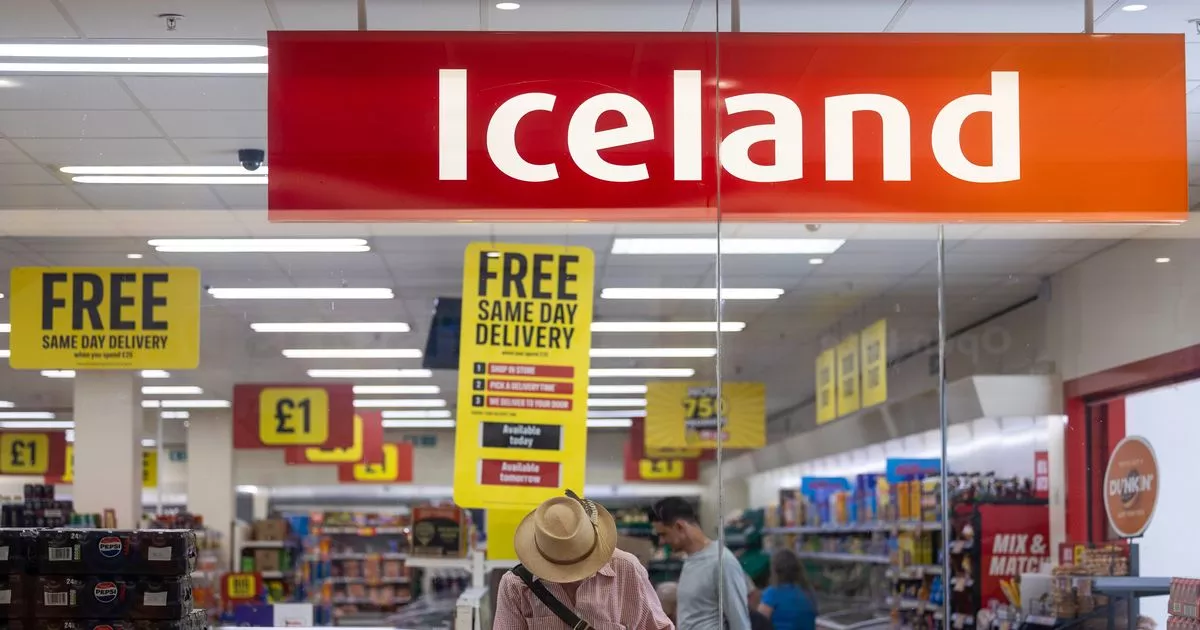
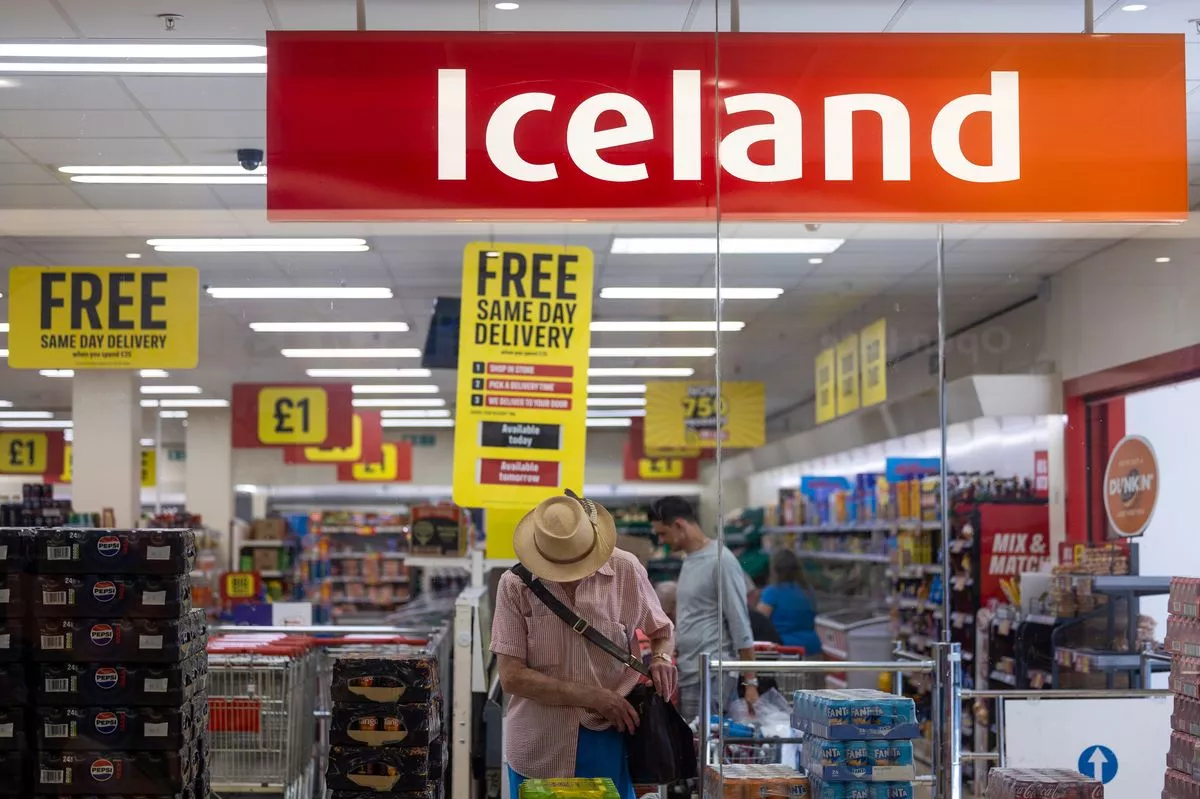
Iceland will be trialling a new initiative to tackle waste(Image: )
Iceland shoppers are bracing for a significant shake-up to their shopping experience after the supermarket announced sweeping changes to its delivery service. The frozen food giant has revealed plans to ditch plastic and paper bags from online orders in an effort to slash waste.
The retailer confirmed that certain regions are already being used as testing grounds for the new approach. West Yorkshire has been at the forefront of the packaging overhaul since January 10 of this year.
Currently, Iceland customers nationwide can opt to have their deliveries arrive in paper bags, insulated freezer bags, or reusable woven bags for an additional 30p per bag. But shoppers in the trial zones will soon find this choice removed.
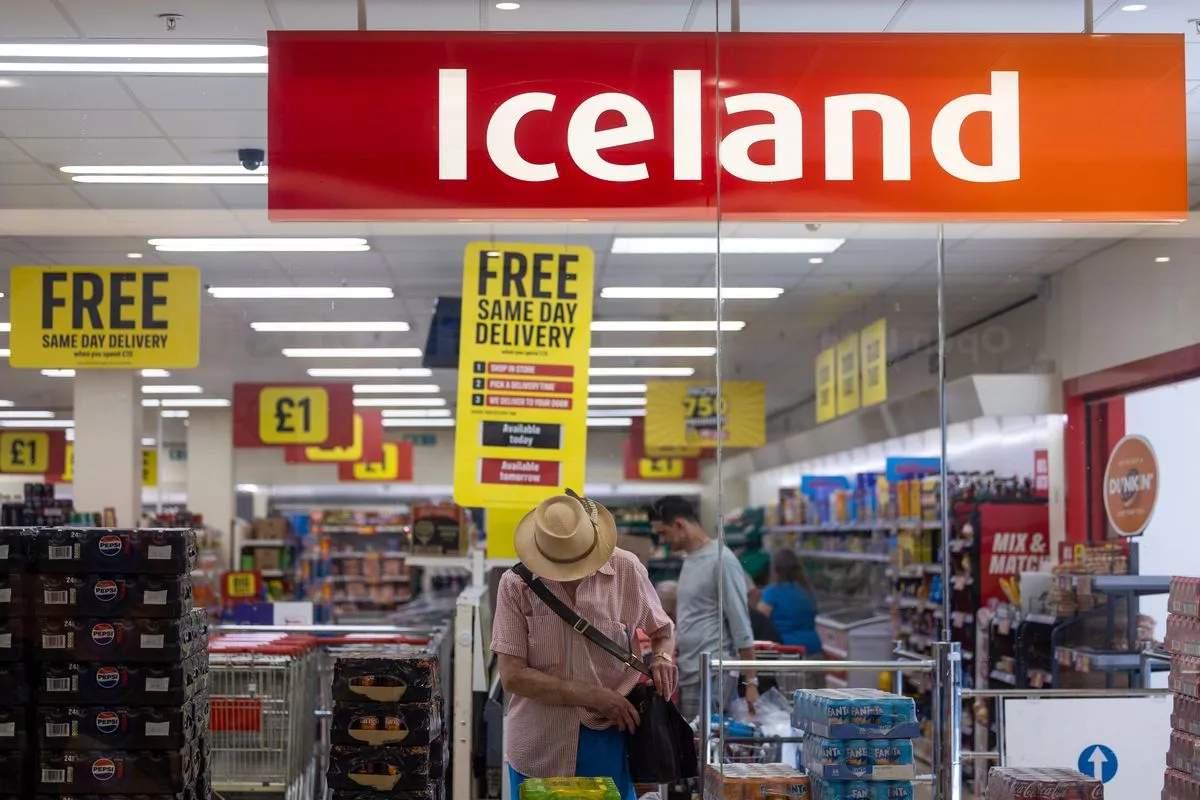
Iceland will be trialling a new initiative to tackle waste(Image: )
Instead, Iceland will deliver all online orders in loose crates, with raw meat and cleaning products being the sole exceptions for hygiene and safety purposes. A spokesperson told The Grocer that the supermarket is testing bagless deliveries “in a number of areas” to enhance “our service to customers”.
It remains unclear which specific regions will be affected by the trial or how long the experiment will run. Should the scheme be rolled out nationwide, Iceland would be following in the footsteps of rival supermarkets including Asda, Tesco and Sainsbury’s, which have all axed plastic bags from online deliveries in recent years.
Iceland itself has eliminated single-use plastic bags from online deliveries, but has been hesitant to go completely bagless due to potential concerns about how it could impact frozen products, which constitute a large part of the supermarket’s inventory.
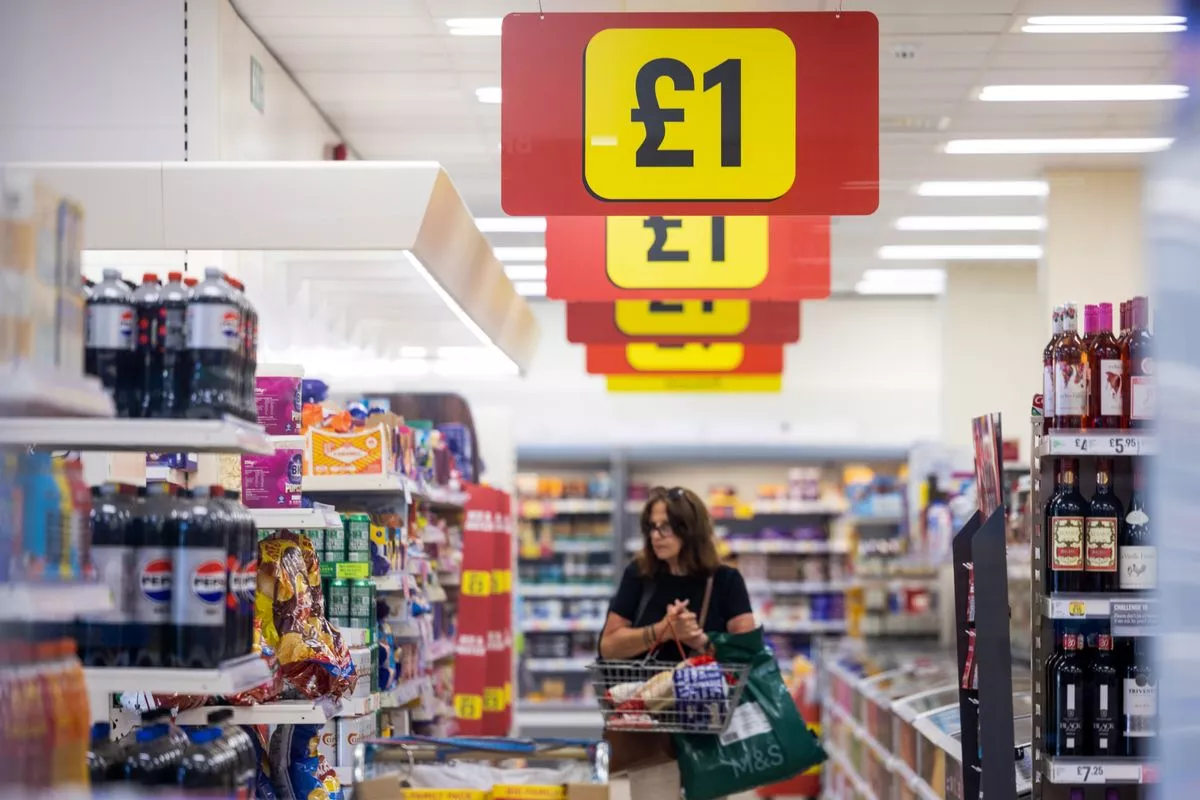
Online customers may notice the change if it takes place in their area(Image: Getty Images)
This isn’t the first time Iceland has taken significant action against plastic in its operations. In 2018, the supermarket vowed to eliminate plastic from its own-brand packaging, a goal originally set for completion by the end of 2023 but was disrupted due to challenges posed by the Covid pandemic and changes within the industry.
Nevertheless, Iceland’s own sustainability website emphasises that it remains “as committed as ever to finding new solutions”, including removing more than a fifth of the plastic from its own label food packaging.