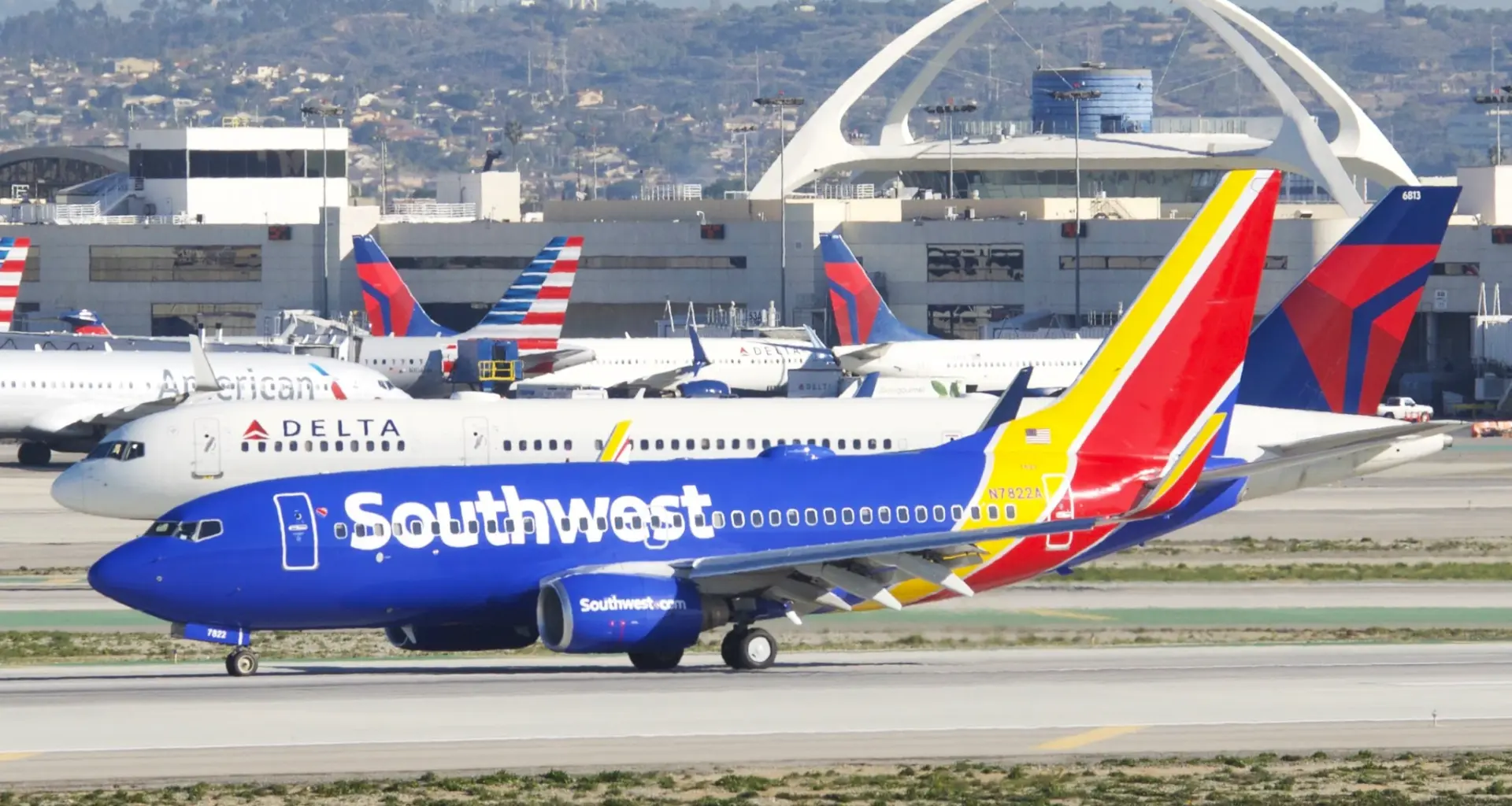
WASHINGTON D.C.- The U.S. Federal Aviation Administration (FAA) has issued a comprehensive 60‑day flight caution covering airspace over Mexico, Central America, South America, and adjacent eastern Pacific Ocean corridors due to concerns about heightened military activity and navigation risk.
The Notices to Airmen (NOTAMs), effective January 16, 2026, urge U.S. operators and pilots to exercise increased caution at all altitudes, including during overflight, departure, and arrival phases, amid evolving regional dynamics.
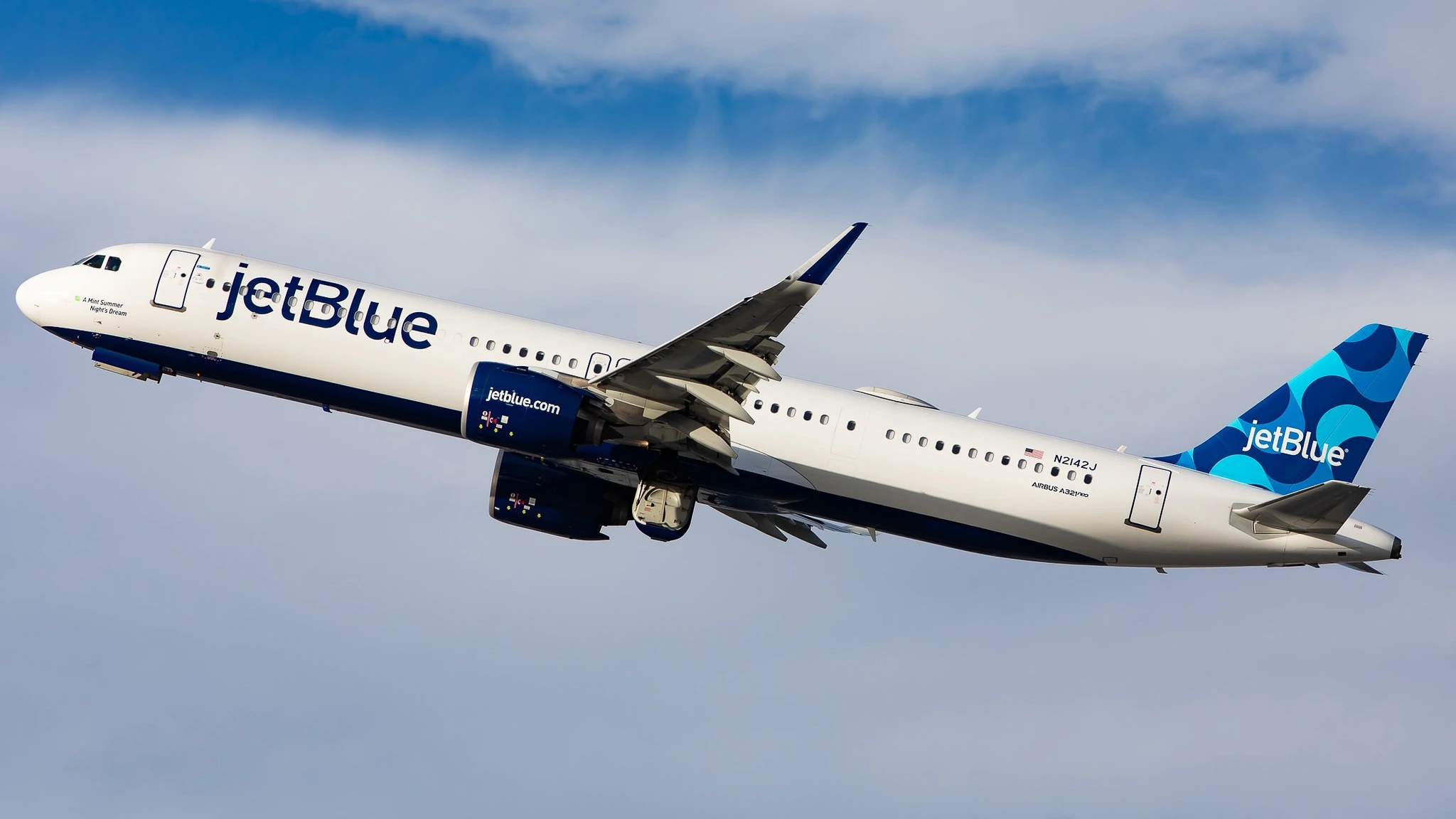 Photo: Clément Alloing
FAA Advisory Coverage and Scope
The FAA warnings were disseminated via a series of NOTAMs targeting flight operations over Mexico, several Central American countries, Ecuador and Colombia, as well as over segments of the eastern Pacific.
The agency specifically highlighted that “potential risks exist for aircraft at all altitudes,” underscoring that military activity and associated navigation anomalies could affect commercial flights in these regions.
Notices apply primarily to U.S.-registered carriers and commercial operators, including pilots exercising privileges under FAA certificates.
The caution reflects concerns that military aircraft might operate without standard surveillance signatures — such as active transponders — which could reduce situational awareness for both pilots and air traffic control.
National and international carriers traversing these routes are being advised to thoroughly review NOTAMs before flight planning and to coordinate closely with air navigation service providers.
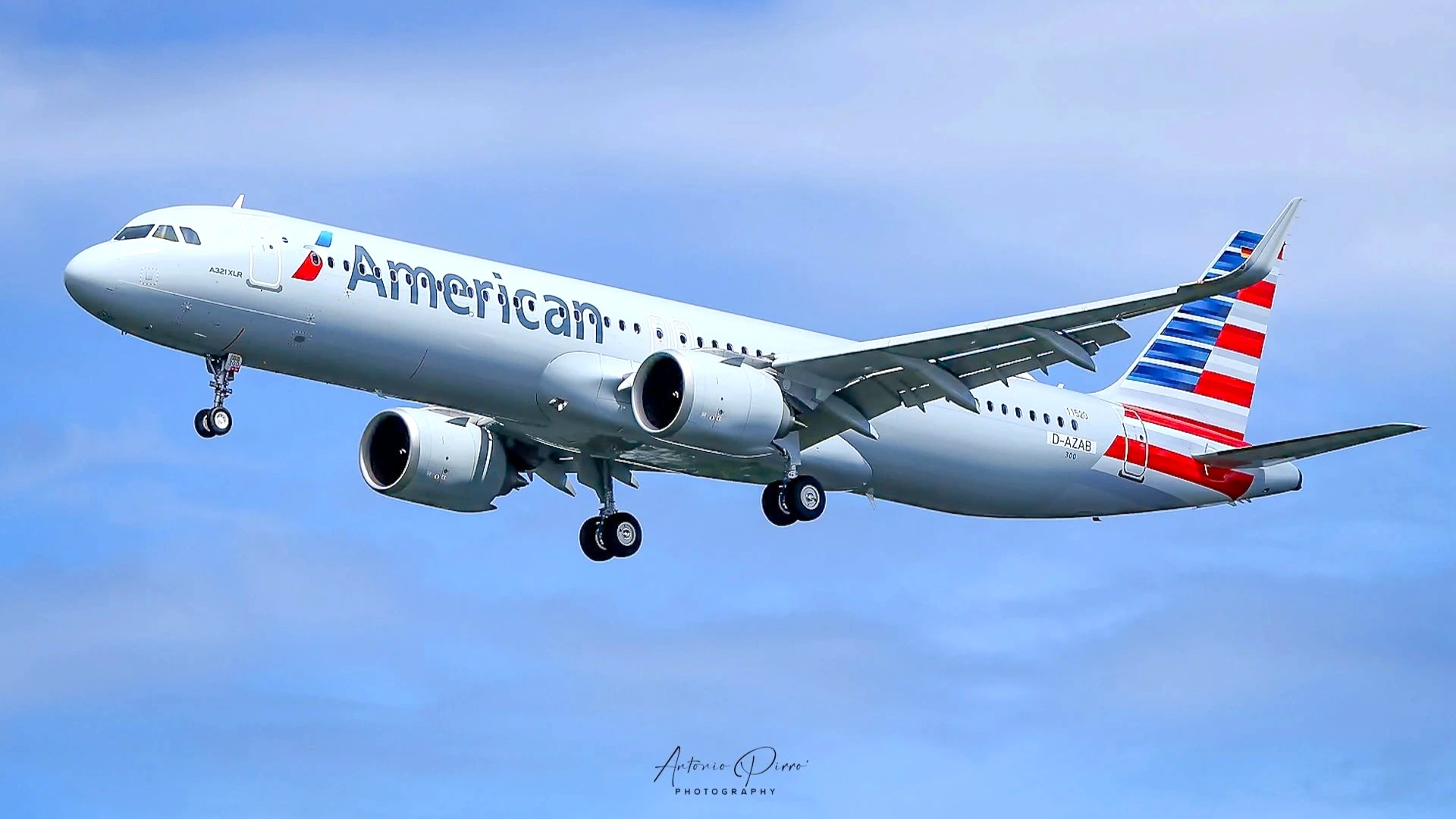 Photo: Antonio Pirro
Geopolitical Triggers of the Advisory
The FAA’s issuance follows months of intensified U.S. military engagement in the region.
A sustained campaign of strikes targeting maritime drug‑trafficking vessels in the Caribbean Sea and eastern Pacific, as well as a large‑scale operation in Caracas, Venezuela, that resulted in the capture of President Nicolás Maduro, has heightened tensions and prompted a reassessment of risk by civil aviation authorities.
These developments have also included discussions of further military actions involving Mexico and Colombia.
A notable factor in aviation risk matrices was a December 2025 incident involving a JetBlue Airways (J6) Airbus A320, whose climb was interrupted to avoid a near collision with a U.S. Air Force tanker aircraft operating near Venezuela with its transponder off.
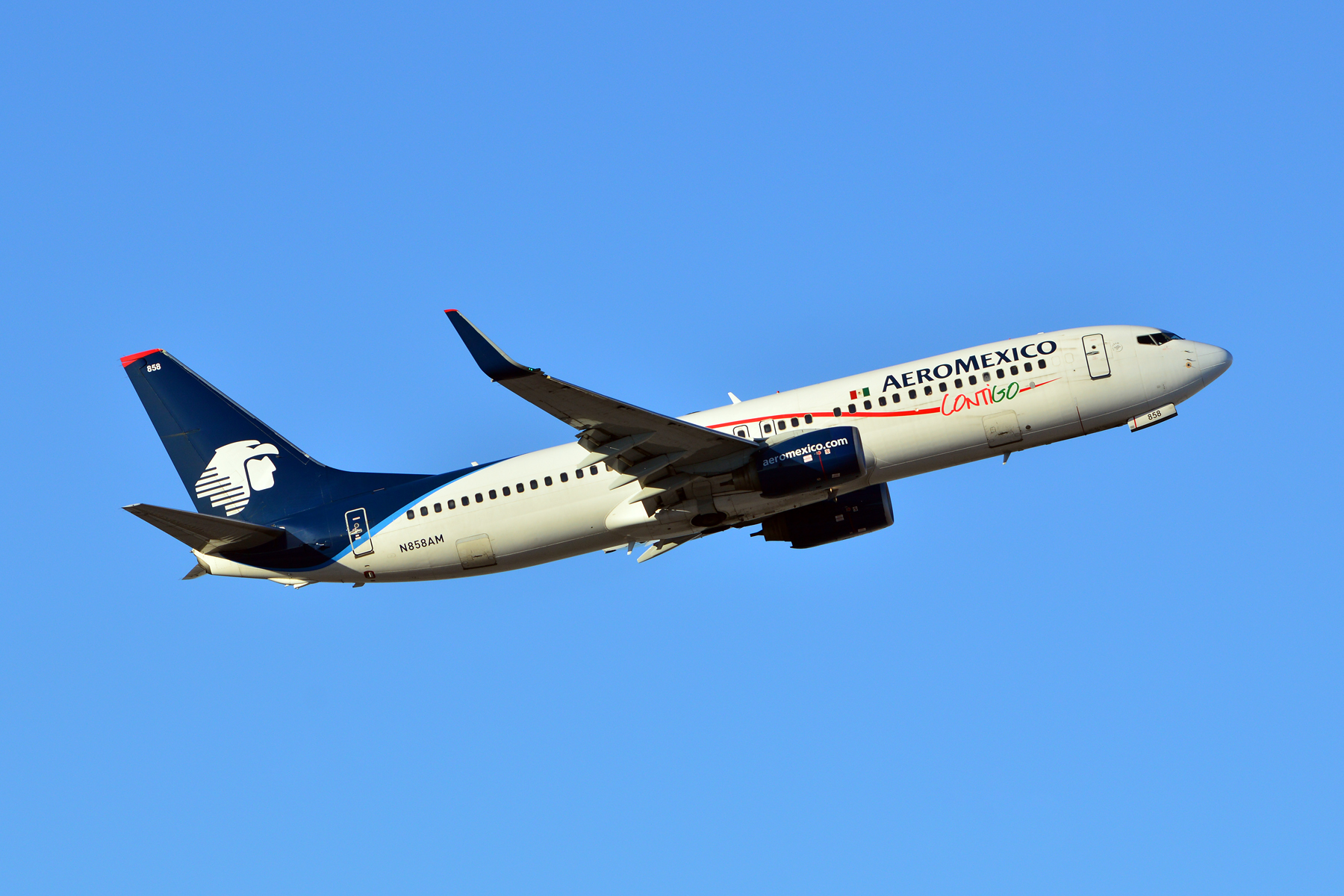 Photo: By Eddie Maloney from North Las Vegas, USA – N858AM, CC BY-SA 2.0, https://commons.wikimedia.org/w/index.php?curid=31879005
Regional Responses and Impact
Mexico’s civil aviation authorities clarified that the FAA advisories are preventive measures and have no direct impact on the country’s sovereign airspace or on carriers based there.
Officials stated that civil aviation operations through Mexican airspace remain unaffected, with no imposed restrictions or changes to existing flight procedures.
Airlines operating internationally have adjusted their flight planning processes in response to the FAA guidance, ensuring that route risk assessments account for the potential of military operations intersecting civil flight paths.
Although there have been no reported disruptions directly caused by military activity since the NOTAMs were issued, the advisory has encouraged operators to maintain heightened situational awareness in the affected regions.
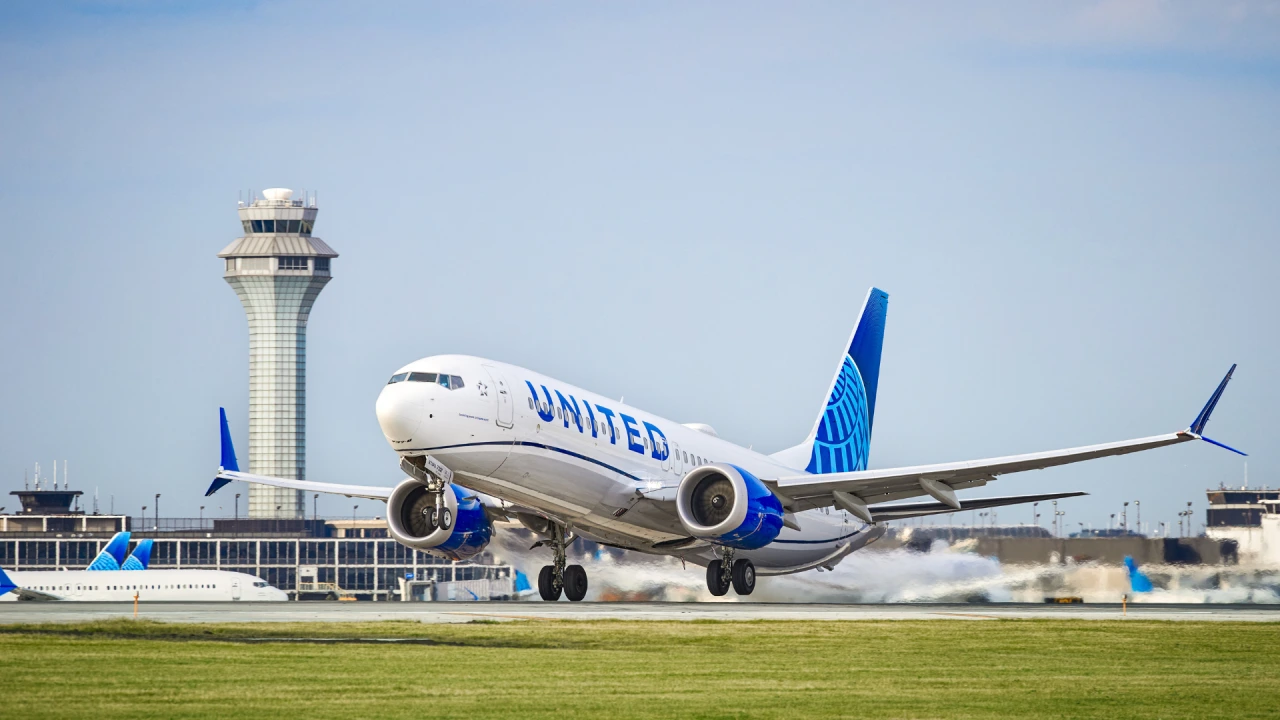 Photo: United Airlines CEO Scott Kirby LinkedIn Page
Bottom Line
The FAA’s 60‑day flight caution for Pacific and Latin American routes highlights the intersection of aviation safety and geopolitical complexities in an increasingly contested region.
By flagging potential navigation interference and unanticipated military activity, the notices aim to enhance safety margins for operators while recognizing that civil air traffic continues to transit these corridors.
Aviation stakeholders, including flight crews, dispatchers, and air navigation personnel, are advised to integrate the advisory into operational planning and to stay updated with any changes or extensions to the NOTAM period.
Stay tuned with us. Further, follow us on social media for the latest updates.
Join us on Telegram Group for the Latest Aviation Updates. Subsequently, follow us on Google News