

Listen to this article
Estimated 4 minutes
The audio version of this article is generated by AI-based technology. Mispronunciations can occur. We are working with our partners to continually review and improve the results.
Ukrainians in Halifax have stepped up to ensure “a dignified farewell” for 25-year-old Karina Brydnya, who died in early January without her immediate family in the city — or even the country.
Brydnya’s mother and sister live in Ukraine. Maryna Horobets, the head of the Nova Scotia branch of the Ukrainian Canadian Congress (UCC), said they could not get visas on time to travel to Nova Scotia to say their final goodbyes, due to Russia’s war in the country.
That meant there was nobody to make the funeral arrangements, until a GoFundMe was started.
“No mother should have to lose her child from afar, without the chance to hold her hand one last time, without a final farewell,” reads the campaign, which was started by Ukrainian community members in Halifax.
The effort raised $12,000 to cover the costs of the funeral, cremation and repatriation.
Horobets told CBC News she didn’t personally know Brydnya, but has helped in repatriation efforts before and is familiar with the challenges.
Repatriation requires many documents, translation services, long wait times and airfare, Horobets said, adding that can be overwhelming and costly, especially for families that are already dealing with grief.
In Brydnya’s case, Horobets said, it’s taking longer because the cause of death is still being investigated by the medical examiner.
“We’re still waiting for some documents, because without the conclusion of the medical examiner’s office, we cannot get her full death certificate,” she said.
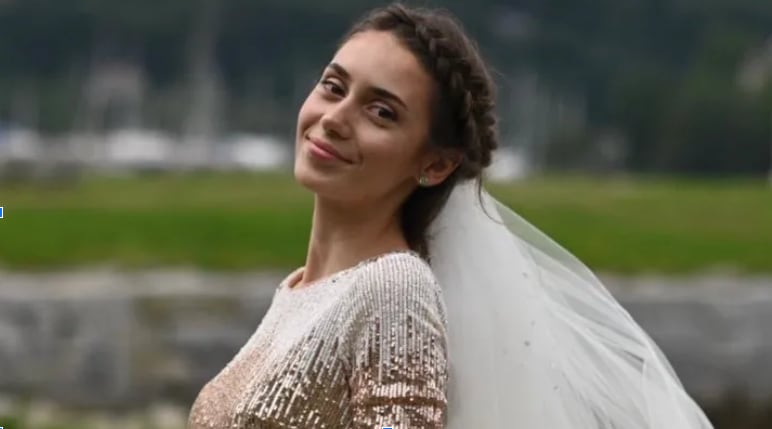
Brydnya’s cause of death is still being investigated, according to Horobets. (GoFundMe)
But Brydnya’s situation is not unusual, according to Kollin Weatherbee, who works as a funeral director in Sydney, N.S.
In such cases, Weatherbee said, tracking down the family members can take days, which delays the process of securing documentation and airfare.
“The families are devastated that the person has passed away. And then the fact that they may have to wait two to three [weeks], even longer, before they may see the person or have the ashes returned to them, just expands on the grief process,” he said.
Weatherbee said collecting the documents is another challenge, since family members in the originating country need to co-ordinate with the people in the place of death, and often have to rely on translators.
“Once we obtain the death certificate from the doctor who pronounced the death, then we would apply to the medical examiner,” said Weatherbee.
He said consulates also need to be involved in the process, which can be difficult if the death occurred in an area without one.
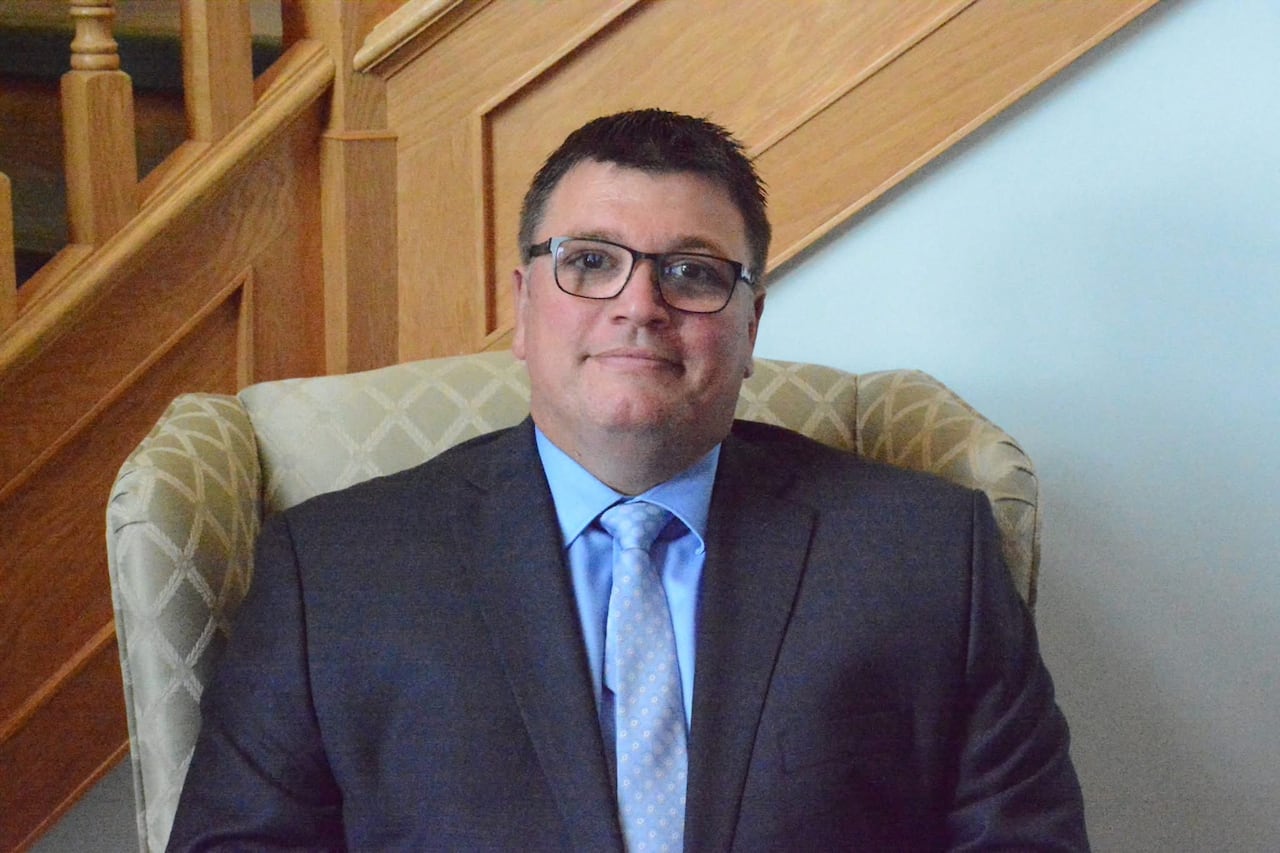
Kollin Weatherbee is a funeral director in Sydney, N.S. who has experience working in repatriation cases. (Kollin Weatherbee)
The method for transporting ashes, either through Canada Post or carrying them on a flight, is subject to varying regulations, including airline policies and international laws.
“When someone is cremated with a funeral home, the funeral home would give the family a cremation certificate which is proof when and where the cremation took place,” said Weatherbee. “As long as those ashes are in a porous container … it makes things very easy.”
However, full-body repatriations have different procedures and costs.
Weatherbee said the remains would be embalmed and then shipped in a sealed container with the paperwork attached on top. The sealed container is then placed in another container that surrounds it, and it can all be expensive to arrange.
Horobets said it’s preferable in Ukraine to bury the body.
“There are some international medical procedures and documentation that needs to be done. But it takes months,” she said. “The body that’s going to get to Ukraine, by that time, it’s not going to look anything like her daughter.”
Because of that, Horobets said, Brydnya’s family has opted to cremate her once the medical examiner finishes their work. The ashes will be sent to Ukraine through Brydnya’s former mother-in-law, who’s travelling to the country to personally deliver the remains.
Horobets said Brydnya’s death has impacted many in the Halifax Ukrainian community, who have gathered to learn more about her life so her name isn’t forgotten.
“On Karina’s funeral, there were a lot of people that just wanted to express their condolences to her family,” she said. “They came with flowers, they came with toys. They brought some tea just to share good memories or listen to who Karina was.”
MORE TOP STORIES: