00:00 Speaker A
Oil prices sliding after the President Trump after President Trump told reporters that the protestor killings in Iran have stopped. That’s according to Bloomberg. Oil was initially climbing in today’s trade, touching the highest level since October amid the unrest in the country. Joining me now on this got Rebecca Badick, CIBC Private Wealth Senior Energy Trader. Rebecca, it is great to see you.
00:30 Speaker A
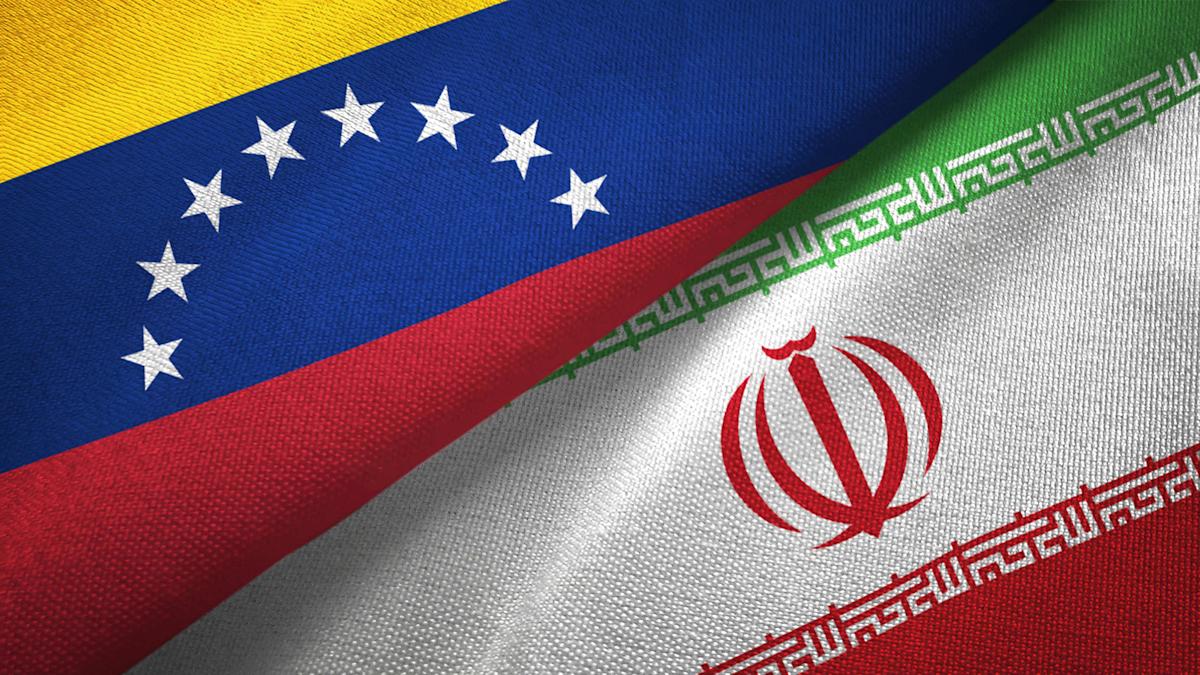
So on on the oil markets, Rebecca, you call this a repricing of geopolitical risk. You emphasize Venezuela and Iran, two very different market reactions, you say. Maybe maybe start there, Rebecca. Explain that for us. What do you mean by that?
00:54 Rebecca Badick
So the initial reaction to what happened in Venezuela from the oil market was to reprice additional supply eventually coming back onto the market. Um, it was a risk that we would see accelerating investment in the country and that that would actually press crude lower.
01:21 Rebecca Badick
So although there was an event there that created uncertainty, the market kind of looked through what could have been an initial supply disruption of two to 300,000 barrels a day and looked out into the long term of what that would mean.
01:47 Rebecca Badick
In Iran, it’s a very different picture. We’re looking at uncertainty that could impact a significant amount of supply in the very short term should things escalate. They produce around 3.2 million barrels a day,
02:08 Rebecca Badick
which is significant relative to Venezuela, which was producing 900,000 barrels a day. And the impact in the short term would very likely be a disruption as opposed to an acceleration of supply.
02:30 Rebecca Badick
So, although the events both created this massive headline bonanza, the reaction from the oil market was to see downside in crude due to Venezuela, while looking at Iran seeing the upside. So it’s a very bifurcated response into the two events.