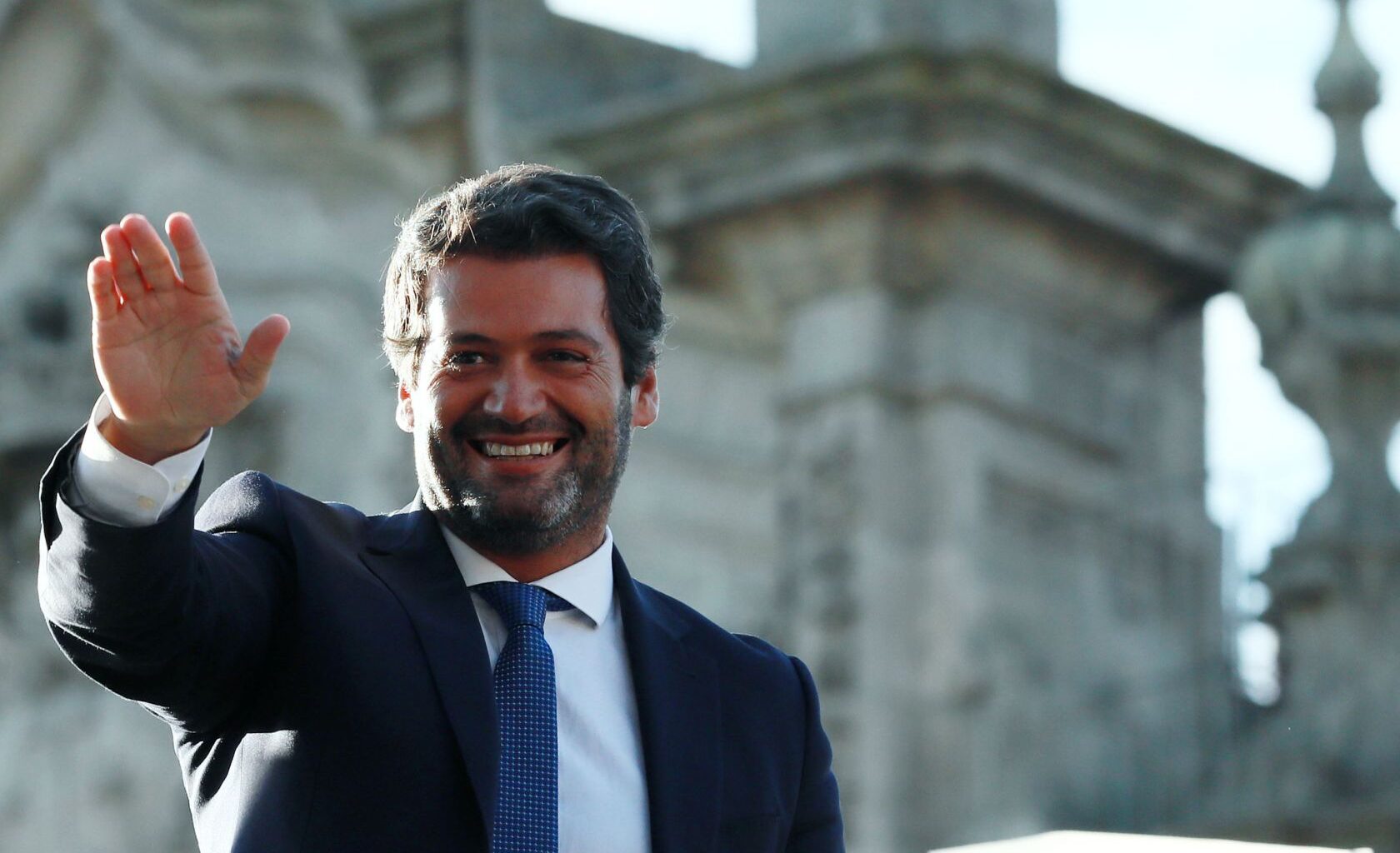
On 18 January, in the presidential election first round, André Ventura, leader of the far-right Chega party, surged into second place, with roughly 24% of the vote, securing a spot in the runoff against centre-left candidate Antonio Jose Seguro scheduled for 8 February. Seguro won the first round with 31.11% of the votes.
The presence of a far-right candidate in the presidential runoff is unusual in Portuguese elections. Ventura’s rise signals growing political polarisation in Portugal. This rare head-to-head matchup is the second runoff since 1986.
Seguro is a well-known political figure who previously served in high-level party positions and relaunched his public career with this presidential bid. In his speech after the first round, he called on “progressives, democrats and humanists” to unite behind his candidacy, framing his potential victory as an affirmation of Portuguese democracy. His campaign appeals to voters looking for stability and experienced leadership, with a focus on strengthening social cohesion, public services such as healthcare and education, and defending democratic values.
Ventura is the leader of the Chega party. His platform centres on tough stances on immigration, welfare, and public order. His campaign rhetoric has been confrontational, with blunt messages on immigration policy and scepticism toward what he characterises as excessive government welfare.
Ventura’s rise reflects a broader European trend of right-wing populist gains. Issues like immigration and public spending could become even more central to national debates in the coming months.
One of the most discussed topics among foreign residents in the past year has been changes to Portugal’s citizenship and migration laws. Parliament has considered proposals to extend the time required for naturalisation and tighten the criteria for family reunification.
Some of the party’s promises are related to amendments proposing a seven-year citizenship route for certain non-CPLP citizens, in response to concerns from international investors and skilled professionals. Tighter criteria for family reunification and residency extensions are also being discussed.