
Published on
January 20, 2026
By: Rana Pratap

A unique collection of nations, including Mexico, France, the UK, Iceland, Japan, and others, have joined Brazil as a global leader in tourist growth, driving notable increases in foreign visitors and tourism receipts in 2025. A recent research claims that Brazil’s tourism industry has reached an all-time high, welcome millions of tourists and profiting from the global post-pandemic resurgence in travel demand. In addition to highlighting Brazil’s increasing appeal, this tourism boom also reflects broader global trends, with comparable spectacular growth figures recorded by nations like Mexico, France, the UK, Iceland, and Japan. Collectively, these countries have demonstrated how tourism can significantly contribute to economic growth, job creation, and improved cross-cultural interaction.
Global Tourism Soars in 2025 with Record Growth in Arrivals and Spending
In 2025, international tourism showed a return to pre-pandemic growth trends, reflecting a 4% increase in global arrivals compared to 2024. Europe, the world’s largest tourism region, saw 793 million international visitors, a 4% increase from 2024 and 6% higher than in 2019. Western Europe (+5%) and Southern Mediterranean Europe (+3%) performed strongly, while Central and Eastern Europe rebounded by +6%, though still 9% below 2019 levels as per UNTourism.
The Americas recorded 218 million arrivals, with mixed results across subregions. South America (+7%) and Central America (+5%) led the way, while the Caribbean (+0%) saw weaker growth, affected by Hurricane Melissa. Africa’s growth was impressive, with an 8% rise in arrivals, especially in North Africa (+11%). The Middle East also recorded a 3% growth, reaching nearly 100 million visitors, surpassing pre-pandemic levels by 39%. Asia and the Pacific saw a 6% increase, but the region was still 9% below 2019 levels, with North-East Asia (+13%) leading the charge.
Brazil (+37%), Egypt (+20%), Morocco (+14%), and Seychelles (+13%) were among the top performers, while destinations like Bhutan (+30%), Iceland (+29%), and Japan (+17%) also saw strong growth. Tourism receipts in 2025 soared to a record $2.2 trillion, with many countries reporting increased earnings compared to arrivals, including Morocco (+19%), Korea (+18%), Egypt (+17%), and Japan (+14%).
Looking ahead, the global tourism outlook for 2026 remains positive, with growth expected between 3% and 4%, driven by continued recovery in Asia and the Pacific, strong consumer demand, enhanced air connectivity, and major international events such as the Milano Cortina 2026 Winter Olympics and the FIFA World Cup 2026. However, geopolitical tensions, high travel costs, and economic uncertainty are potential risks for the sector in 2026.
Brazil Sets a New Benchmark in 2025 with Historic Record in International Arrivals
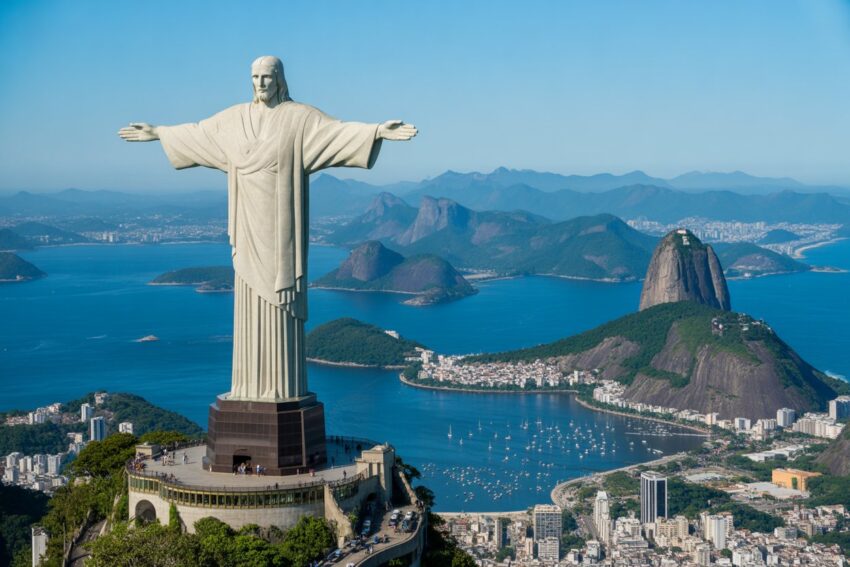
Brazil has seen a remarkable resurgence in its tourism sector, setting an all-time record for international visitors in 2025. The country recorded an astounding 9.2 million international tourists, marking a 37% increase compared to 2024 as per UN Tourism. This surge places Brazil as a top destination in South America, benefiting from a global rebound in travel demand post-pandemic.
Key Factors Driving Brazil’s Tourism Growth
The 37% year-on-year growth exceeded national tourism targets under the government’s strategic tourism plan, showcasing the country’s enhanced appeal to international travelers. São Paulo, Rio de Janeiro, and Rio Grande do Sul were among the most visited destinations, reflecting the ongoing interest in Brazil’s vibrant cities, rich culture, and natural beauty.
The expansion of tourism in 2025 aligns with Brazil’s efforts to improve its infrastructure and promote its diverse offerings. The country’s focus on eco-tourism, cultural festivals, and iconic landmarks like the Christ the Redeemer statue and the Amazon Rainforest has contributed to the ongoing success in attracting visitors. Moreover, Brazil’s investments in hospitality services and the country’s participation in global travel marketing campaigns played a vital role in this remarkable growth.
The Role of Tourism in Brazil’s Economic Recovery
This record-breaking growth has had a significant impact on Brazil’s economy, boosting tourism receipts and contributing to job creation within the hospitality and travel sectors. International tourists flocked to Brazil not only for leisure but also for business events, sports tourism, and conventions, all of which significantly bolstered local economies. The increase in arrivals has translated into higher spending, positively affecting both large cities and remote regions alike.
Looking Ahead: The Future of Brazil’s Tourism Sector
Brazil is expected to continue on this upward trajectory as it strengthens its position as a top international destination. The country’s initiatives to promote sustainable tourism, along with improved air connectivity and visitor services, are expected to keep Brazil at the forefront of global tourism growth in 2026 and beyond.
In conclusion, Brazil’s tourism sector has experienced an extraordinary year, with impressive growth figures that surpass expectations. The country’s strategy to embrace tourism diversification, coupled with strategic investments, has set the stage for even greater success in the years to come.
Brazil City Guide:
1. Rio de Janeiro
Top Attractions: Christ the Redeemer, Sugarloaf Mountain, Copacabana Beach, Ipanema Beach, and the Rio Carnival.
Why Visit: Known for its stunning natural landscapes, Rio offers vibrant culture, stunning beaches, and iconic landmarks. The annual Carnival is one of the biggest festivals in the world, attracting thousands of visitors each year.
Best Time to Visit: December to March (for Carnival) or during the summer months for warm beach days.
2. São Paulo
Top Attractions: Ibirapuera Park, São Paulo Museum of Art (MASP), and Avenida Paulista.
Why Visit: The economic powerhouse of Brazil, São Paulo is a bustling metropolis known for its vibrant arts scene, cultural diversity, and world-class restaurants. It is a must-visit for urban explorers and food lovers.
Best Time to Visit: March to May for pleasant weather and fewer tourists.
3. Salvador
Top Attractions: Pelourinho (historic center), Elevador Lacerda, and Igreja de Bonfim.
Why Visit: Salvador is the heart of Afro-Brazilian culture, with rich traditions in music, dance, and cuisine. Its colonial architecture and vibrant street life make it an appealing destination.
Best Time to Visit: January to March, aligning with the famous Carnival celebrations.
Mexico Sets a New Record in 2025 with Historic Growth in International Arrivals and Spending
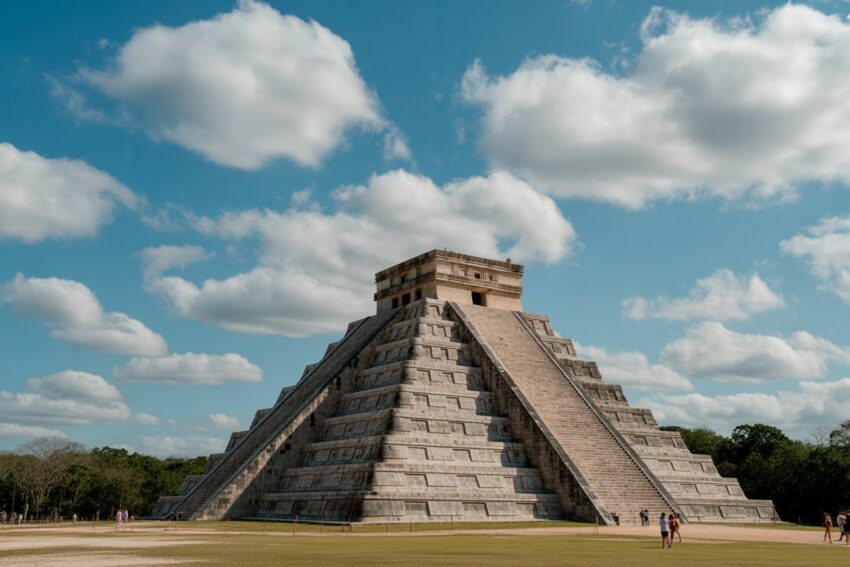
Mexico has witnessed an extraordinary tourism performance in 2025, with a remarkable 88.1 million total visitors, marking a 13.8% increase compared to the same period in 2024. This surge solidifies Mexico’s position as one of the world’s leading tourist destinations, benefiting from strong demand and a global recovery in travel post-pandemic.
Key Factors Driving Mexico’s Tourism Growth
The 13.8% year-on-year growth exceeded expectations and highlights Mexico’s growing appeal to international travelers. Popular destinations such as Cancún, Mexico City, and Los Cabos attracted millions of international visitors, drawn by Mexico’s unique combination of beautiful beaches, rich cultural heritage, and vibrant cities.
The success of Mexico’s tourism sector in 2025 was driven by its diversified offerings, from eco-tourism and historic sites like Chichen Itza to world-class beach resorts and adventure tourism. In addition, the country’s focus on enhancing its infrastructure, including improving air connectivity and modernizing visitor services, played a key role in making it a top destination for global travelers.
The Role of Tourism in Mexico’s Economic Growth
Mexico’s tourism boom has had a profound impact on the local economy, with increased tourism receipts and job creation in the hospitality, retail, and service sectors. The growth in overnight international tourists, which rose to 38.4 million in 2025, has also contributed to higher spending across key regions. In particular, the months of October and November saw substantial increases in visitors, with spending climbing by 9% in November, further bolstering Mexico’s economic recovery.
Tourists flocked to Mexico not only for leisure but also for business events, cultural festivals, and conventions, all of which have played a significant role in expanding the country’s tourism revenue. The increase in visitor numbers has supported local economies, particularly in underrepresented regions outside traditional tourist hubs.
Looking Ahead: The Future of Mexico’s Tourism Sector
With the success seen in 2025, Mexico is poised to continue its tourism growth into 2026 and beyond. The government’s ongoing initiatives to promote sustainable tourism and further expand the tourism infrastructure are expected to keep Mexico competitive on the global stage. The FIFA World Cup 2026, jointly hosted by Mexico, the United States, and Canada, will provide an additional boost, further strengthening Mexico’s tourism profile.
Mexico City Guide:
1. Mexico City
Top Attractions: Zócalo (main square), Chapultepec Castle, Museo Frida Kahlo, and Teotihuacan Pyramids.
Why Visit: A bustling metropolis with a rich history, Mexico City blends modernity with ancient traditions. From the bustling markets of La Merced to the historic ruins of Teotihuacan, there’s something for everyone.
Best Time to Visit: March to May for mild temperatures and fewer crowds.
2. Cancún
Top Attractions: Playa Delfines, Chichen Itza, Xcaret Park, and the Cancun Underwater Museum.
Why Visit: Known for its beautiful beaches and world-class resorts, Cancún is a top destination for beach lovers and adventure seekers alike. It also offers great access to nearby Mayan ruins.
Best Time to Visit: December to April for pleasant weather and dry conditions.
3. Guadalajara
Top Attractions: Teatro Degollado, Mercado San Juan de Dios, and the Tlaquepaque District.
Why Visit: Guadalajara is the birthplace of mariachi music and tequila, offering visitors a chance to experience authentic Mexican culture, delicious food, and traditional music.
Best Time to Visit: November to March for cooler weather.
France Sets Another Record in 2025 with Strong Growth in International Arrivals and Tourism Receipts
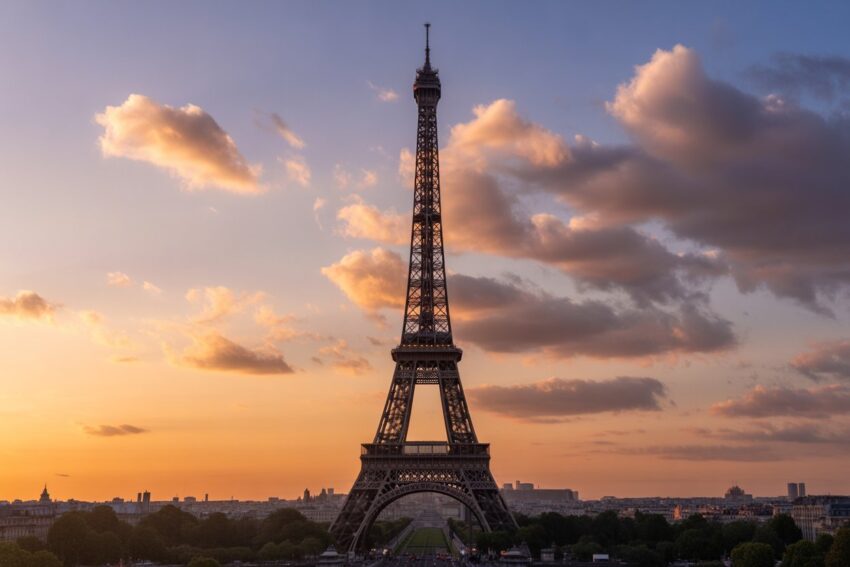
France has continued to lead global tourism in 2025, welcoming an estimated 89-90 million international visitors, maintaining its status as the most visited country in the world. This growth has been bolstered by a rise in both arrivals and spending, driving significant economic impact for the country.
Key Factors Driving France’s Tourism Growth
France’s tourism sector has experienced substantial growth in 2025, with 9% year-on-year growth in tourism receipts. Additionally, tourism expenditure increased by 4%, reflecting the country’s strong appeal to high-spending international visitors. Major attractions such as the Eiffel Tower, Palace of Versailles, and the French Riviera continue to captivate global travelers.
The increase in visitor spending is also a result of France’s diversified tourism offerings, from cultural and historical sites to its celebrated gastronomy and wine regions. Moreover, continued investment in infrastructure, including improved airports and transportation networks, has enhanced the travel experience for visitors.
The Role of Tourism in France’s Economic Impact
As per UN Tourism, the 9% increase in receipts and the 4% rise in tourism expenditure underscore the growing economic importance of tourism for France. These gains reflect the strong performance of the country’s tourism sector, which has contributed significantly to the economy in 2025. France remains a key player in Western Europe, where overall tourism grew by 5% in 2025.
The country’s ability to attract both leisure travelers and business tourists has bolstered local economies, particularly in regions outside of Paris. The increase in tourism spending has also supported job creation and growth in the hospitality, retail, and transportation sectors.
Looking Ahead: France’s Strategic Focus for 2026
France is poised to maintain its tourism leadership, with major events like the 2024 Paris Olympics further boosting its global profile. The country’s sustainable tourism initiatives and investments in eco-friendly travel are expected to attract a growing number of eco-conscious travelers. France’s ongoing efforts to enhance visitor services and expand tourism infrastructure will ensure its continued success in the global tourism market.
France City Guide:
1. Paris
Top Attractions: Eiffel Tower, Louvre Museum, Notre-Dame Cathedral, Montmartre, and Sacré-Cœur.
Why Visit: The City of Light is renowned for its art, architecture, cuisine, and romantic ambiance. It’s a haven for history buffs, art lovers, and fashion enthusiasts.
Best Time to Visit: April to June and September to November for milder weather and fewer tourists.
2. Nice
Top Attractions: Promenade des Anglais, Old Town (Vieux Nice), and the Matisse Museum.
Why Visit: Nice offers a blend of Mediterranean charm and French Riviera glamor. Famous for its beaches, vibrant nightlife, and incredible coastal views, it’s perfect for a luxurious getaway.
Best Time to Visit: May to October for warm beach days and festivals.
3. Lyon
Top Attractions: Basilique Notre-Dame de Fourvière, Parc de la Tête d’Or, and Vieux Lyon (Old Town).
Why Visit: Known as the gastronomic capital of France, Lyon is perfect for foodies, boasting some of the finest dining in Europe. The city also has a rich history, which is reflected in its architecture and museums.
Best Time to Visit: March to May or September to November for mild weather.
United Kingdom Sees Strong Growth in 2025 with 43.4 Million Visitors and Boosted Tourism Receipts
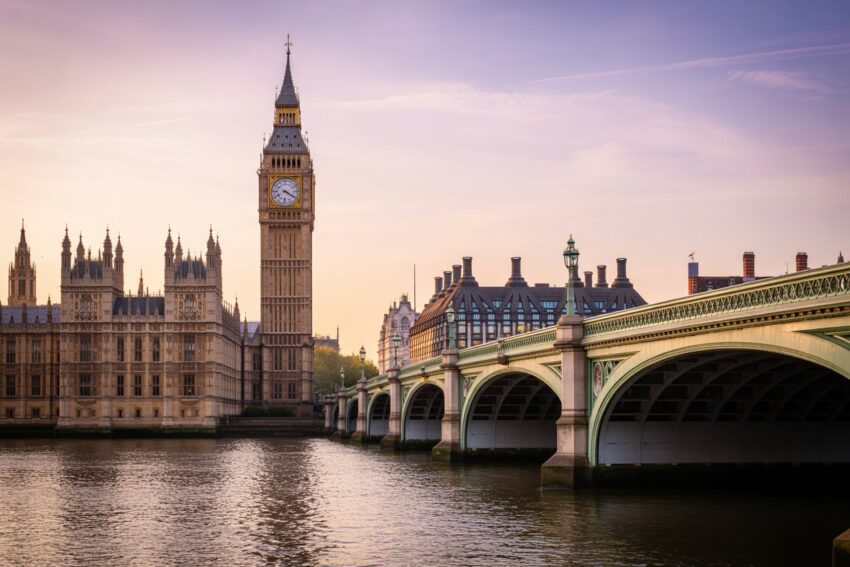
The United Kingdom has had a successful year in 2025, recording an estimated 43.4 million international visitors and experiencing a 9% increase in tourism receipts, as reported by UN Tourism. This growth highlights the country’s continuing appeal as a major global destination for leisure and business travel.
Key Factors Driving the UK’s Tourism Growth
The UK’s tourism sector has seen a strong rebound in 2025, driven by increased visitor numbers and higher spending. The forecasted 43.4 million inbound visits in 2025, as estimated by VisitBritain, reflect the enduring popularity of attractions in London (such as the British Museum, Buckingham Palace, and the Tower of London), as well as in other regions like Scotland, Wales, and Northern Ireland.
Economic Impact and Tourism Expenditure
The 9% growth in tourism receipts is a significant indicator of the UK’s strength as a high-value destination. In addition to the increase in arrivals, visitors have been spending more, with total tourism receipts projected at £33.7 billion for 2025. This rise in expenditure benefits the country’s hospitality, retail, and service sectors, contributing positively to local economies and creating jobs across key tourism areas.
The increase in both visitor numbers and spending comes as part of the broader 4% growth in Europe’s tourism receipts, with the UK playing a key role in this upward trend.
Looking Ahead: The UK’s Path for Continued Growth
Looking forward to 2026, the UK’s tourism industry is expected to continue on its growth trajectory. With the upcoming 2026 Commonwealth Games and ongoing investments in tourism infrastructure and sustainable travel initiatives, the UK is well-positioned to maintain its appeal to travelers worldwide.
United Kingdom City Guide:
1. London
Top Attractions: The British Museum, Tower of London, Buckingham Palace, Big Ben, and the London Eye.
Why Visit: A city steeped in history and culture, London offers iconic landmarks, world-class museums, and a rich theater scene. It’s also a great base for day trips to other parts of the UK.
Best Time to Visit: March to May and September to November for moderate weather.
2. Edinburgh
Top Attractions: Edinburgh Castle, Royal Mile, Holyrood Palace, and Arthur’s Seat.
Why Visit: The Scottish capital is famous for its medieval and Georgian architecture, beautiful landscapes, and its annual Edinburgh Festival, which draws performers and tourists from around the world.
Best Time to Visit: June to August for the Edinburgh Festival or September to November for fewer crowds.
3. Manchester
Top Attractions: Old Trafford (Manchester United’s stadium), Manchester Museum, and the Northern Quarter.
Why Visit: Manchester is a hub for arts, music, and football. Its industrial past has shaped a city that blends history with modernity, and its food scene is quickly gaining fame.
Best Time to Visit: May to September for pleasant weather.
Iceland Surges in 2025 with 29% Growth in International Arrivals

Iceland has experienced a remarkable surge in its tourism sector in 2025, with a 29% increase in international arrivals, as reported by the UNTourism. This growth marks a significant recovery for the country, positioning Iceland as one of the fastest-growing destinations in Europe.
Key Factors Driving Iceland’s Tourism Growth
In 2025, Iceland welcomed 2.25 million international visitors, reflecting a 29% year-on-year growth, according to UN Tourism data. The increase is largely attributed to Iceland’s natural wonders, such as the Northern Lights, Blue Lagoon, and Golden Circle, which continue to attract travelers seeking unique and pristine natural experiences.
The country’s ongoing efforts to improve its tourism infrastructure, including upgrades to airports and transportation networks, have made it easier for international visitors to explore Iceland’s stunning landscapes. Additionally, Iceland’s focus on sustainable tourism and eco-friendly travel initiatives has resonated with travelers seeking responsible travel options.
The Role of Tourism in Iceland’s Economic Recovery
The rise in international arrivals has significantly impacted Iceland’s economy. As tourism receipts grow, the hospitality, retail, and transportation sectors have all seen the benefits of increased spending. The 29% growth in arrivals has not only boosted local economies but also led to job creation and greater investment in Iceland’s tourism infrastructure.
Iceland’s tourism growth in 2025 reflects broader trends across Europe, where tourism arrivals increased by 4%, with Iceland outpacing many other European destinations. This impressive recovery comes as Iceland’s tourism sector continues to play a critical role in the nation’s economic development.
Looking Ahead: Iceland’s Future in Tourism
Iceland is poised to continue its tourism success in 2026 and beyond. With its ongoing commitment to sustainable tourism and the promotion of off-the-beaten-path destinations, Iceland is expected to attract an even broader range of visitors. The country’s focus on diverse experiences, from adventure tourism to cultural exploration, will ensure it remains a top destination in Europe.
Iceland City Guide:
1. Reykjavik
Top Attractions: Hallgrímskirkja, Blue Lagoon, Harpa Concert Hall, and Thingvellir National Park.
Why Visit: Iceland’s capital is small but packed with vibrant cultural scenes, geothermal spas, and nearby natural wonders like geysers and waterfalls. It’s also the perfect base for exploring Iceland’s unique landscapes.
Best Time to Visit: June to August for longer daylight hours and pleasant temperatures.
2. Akureyri
Top Attractions: Akureyri Botanical Garden, Lake Myvatn, and the Arctic Botanical Gardens.
Why Visit: Known as Iceland’s second city, Akureyri offers a blend of stunning nature and cultural attractions, with beautiful landscapes and wildlife watching.
Best Time to Visit: June to August for the best weather conditions.
3. Vik
Top Attractions: Reynisfjara Beach, Dyrhólaey, and Skogafoss Waterfall.
Why Visit: Vik is a charming village surrounded by dramatic cliffs, black sand beaches, and majestic waterfalls, offering one of Iceland’s most beautiful landscapes.
Best Time to Visit: May to September for good weather and to avoid harsh winter conditions.
Japan Sets Record with 17% Growth in International Arrivals and 14% Increase in Tourism Receipts in 2025
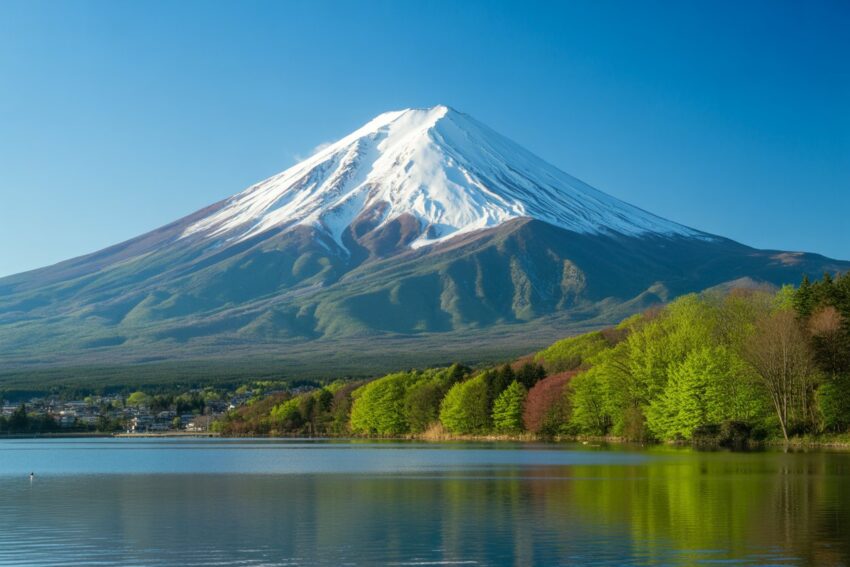
Japan has seen substantial growth in its tourism sector in 2025, with a 17% increase in international arrivals and a 14% growth in tourism receipts, as reported by UN Tourism. These figures reflect a strong recovery for Japan’s tourism industry, driven by global demand for its unique blend of cultural, historical, and modern attractions.
Key Factors Driving Japan’s Tourism Growth
In 2025, Japan welcomed 42.7 million international visitors, marking a 17% increase compared to the previous year, according to UNTourism data. The country’s appeal continues to grow, with tourists flocking to iconic attractions like Kyoto’s temples, Tokyo’s futuristic skyline, and Hokkaido’s skiing resorts.
Japan’s ability to attract international tourists is also attributed to its strong cultural heritage, renowned culinary experiences, and technological advancements, offering a unique experience for travelers. The 2025 Tokyo International Film Festival, as well as the country’s significant push to expand its global tourism initiatives, have helped position Japan as an attractive destination for both leisure and business travelers.
The Role of Tourism in Japan’s Economic Impact
The increase in international visitors has translated into a 14% growth in tourism receipts, highlighting the economic value of the tourism sector to Japan’s economy. This growth in receipts reflects higher spending by international tourists, particularly in sectors like retail, hospitality, and transportation.
Japan’s tourism boom is part of the broader trend in Asia and the Pacific, where international arrivals increased by 6% in 2025. Japan’s performance stands out as one of the strongest in the region, underscoring the country’s rising prominence as a tourism hub.
Looking Ahead: Japan’s Continued Growth in 2026 and Beyond
Japan is well-positioned for continued tourism success in 2026, with ongoing investments in tourism infrastructure, cultural promotions, and sustainable travel initiatives. The 2026 Winter Olympics in Milan-Cortina and Japan’s continued efforts to enhance its eco-tourism offerings will likely contribute to sustained growth in arrivals and receipts.
Japan City Guide:
1. Tokyo
Top Attractions: Shibuya Crossing, Tokyo Tower, Meiji Shrine, and Asakusa Temple.
Why Visit: Tokyo is a blend of futuristic skyscrapers and traditional shrines, offering unparalleled shopping, dining, and cultural experiences. It’s a great mix of modern and traditional Japan.
Best Time to Visit: March to May for cherry blossoms or September to November for mild weather.
2. Kyoto
Top Attractions: Kinkaku-ji (Golden Pavilion), Fushimi Inari-taisha, and Arashiyama Bamboo Grove.
Why Visit: Kyoto is the cultural heart of Japan, home to classical temples, beautiful gardens, and ancient traditions. It’s a great place to experience traditional Japanese tea ceremonies and classical arts.
Best Time to Visit: April to May for cherry blossoms or October to November for autumn leaves.
3. Osaka
Top Attractions: Osaka Castle, Dotonbori, Universal Studios Japan, and Osaka Aquarium.
Why Visit: Osaka is known for its food scene, particularly street food like takoyaki and okonomiyaki, as well as vibrant nightlife and shopping. It’s Japan’s kitchen and a must-visit for food lovers.
Best Time to Visit: March to May for cherry blossoms or September to November for cooler temperatures.
Brazil, alongside Mexico, France, the UK, Iceland, Japan, and more, has driven global tourism growth in 2025, with Brazil recording a 37% increase in international arrivals, marking a historic surge in tourism receipts.
In conclusion, Brazil has been essential in driving the expansion of tourism worldwide in 2025, along with Mexico, France, the UK, Iceland, Japan, and other countries. These nations have shown the strong post-pandemic recovery of the global tourist industry with notable gains in foreign arrivals and receipts. Together with the achievements of other top vacation destinations, Brazil’s record-breaking tourist boom highlights the continued demand for travel and the crucial economic benefits of the tourism sector.
