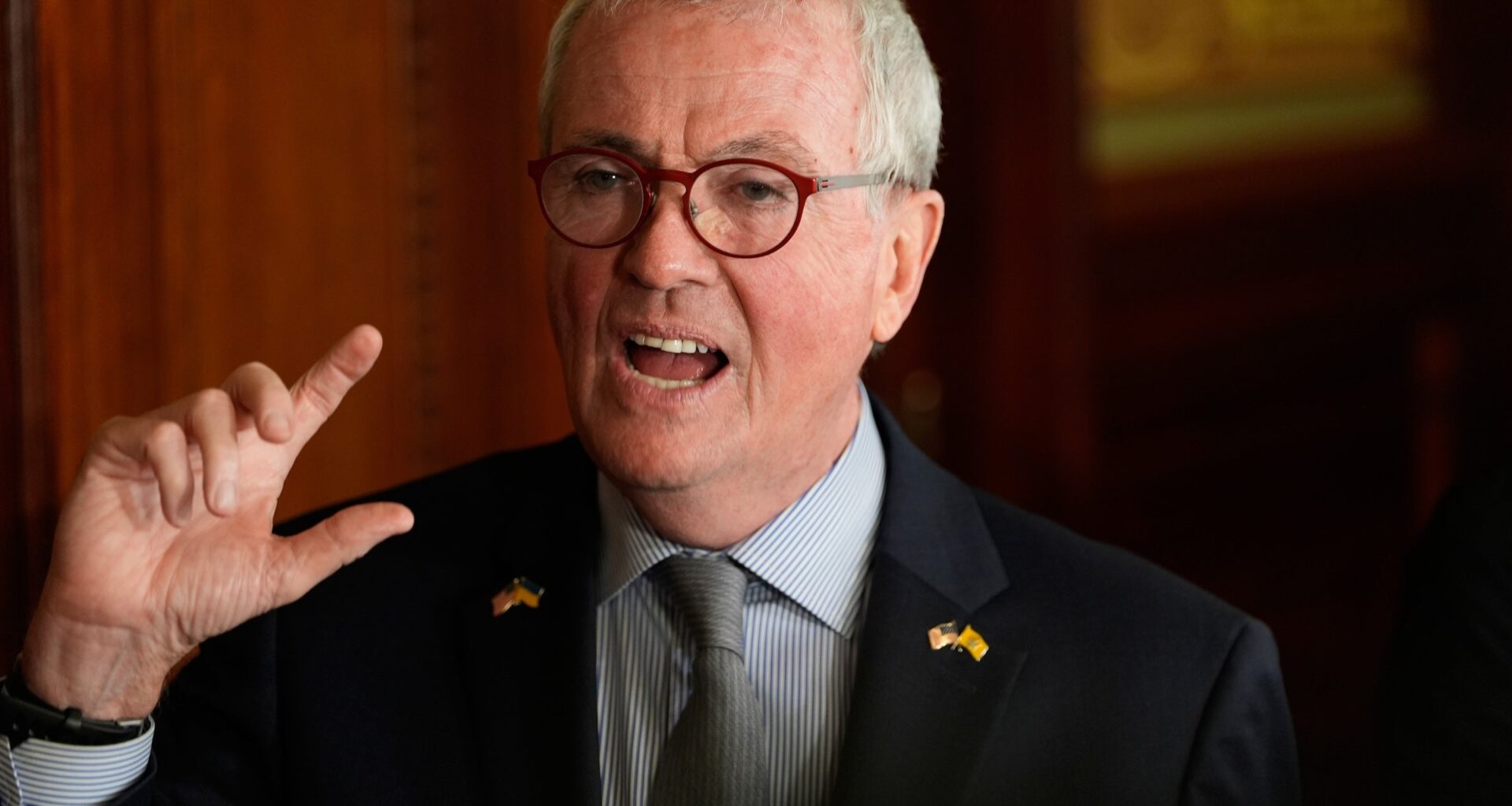
Immigrant advocates say they are disappointed
The New Jersey Alliance for Immigrant Justice said in a statement Tuesday that Murphy “walked away from his promise to protect immigrant families across the state.”
“He does so amid an intensification of immigration enforcement and detention in New Jersey,” the group said.
There have been reports of ICE raids taking place in Atlantic City and Camden within the last month.
“At a moment that demanded courage, Gov. Murphy chose caution,” said Viri Martinez, deputy director of strategy at the New Jersey Alliance for Immigrant Justice.
She added that “fear of the Trump administration” is the only way to describe why Murphy declined to sign the legislation.
“This decision reflects how Trump’s authoritarian playbook has seeped into our state, paralyzing decisive leadership and allowing fear, rather than values, to dictate who is protected and who is left behind,” Martinez said.
Amol Sinha, executive director of the American Civil Liberties Union of New Jersey, said the pocket vetoes have left New Jersey “without critical protections at a moment when ICE is brutalizing our communities.”
“These bills were legally sound, politically viable, and commonsense policy,” he said, in a statement. “We call on Gov.-elect Sherrill, her administration and the Legislature to establish data privacy protections and ensure state and local resources are not commandeered for federal immigration enforcement.”
Murphy signs Safe Communities Act
The governor said the state was reaffirming “our longstanding commitment to ensuring the people of New Jersey — particularly our immigrant families — are safe, secure, and supported in navigating their daily lives easily and confidently.”
“Public spaces such as houses of worship, schools, hospitals, and courthouses are places of trust that should welcome and safeguard every member of society,” he said in a statement. “Whether you’re praying in a church, studying in school, receiving medical care at a hospital, or seeking legal relief, no one should live in fear or uncertainty or be deterred from seeking essential services due to their immigration status.”
The Safe Communities Act, which takes effect immediately, requires the attorney general to propose policies on how to interact with Immigration and Customs Enforcement officers when they visit sensitive locations such as schools, hospitals and places of worship.
The law also requires certain government departments and agencies to adopt the policies within 180 days of being issued. Policies must be equal to the attorney general’s model or provide greater protections.