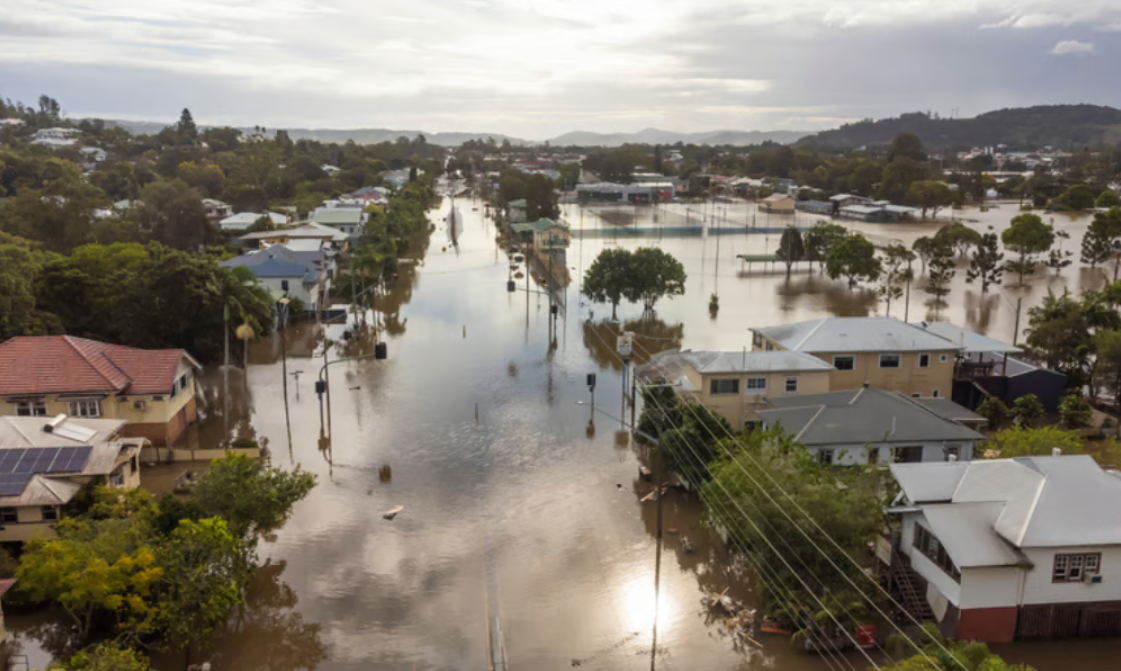
“We must stop putting Canadians in harms way. As Canada embarks on a historic housing plan, investing in community and household resilience is significantly more cost‑effective than paying to rebuild following every disaster,” Power added.
“That’s why IBC and its members continue to urge governments at all levels to invest in infrastructure that defends against floods, adopt land‑use planning rules that ensure homes are not built on flood plains, facilitate FireSmart initiatives in communities in high‑risk wildfire zones, and implement long‑delayed changes to building codes that better protect homes and livelihoods.”
Mortgage affordability increasingly reflects climate exposure
Extreme weather‑driven claims has already pushed personal property losses to record levels and contributed to underwriting losses for Canadian home insurers in 2023 and 2024, with carriers paying out slightly more than they collected in premiums in those years.
Rising home insurance costs have increasingly eaten into mortgage capacity in high‑risk markets, with premiums in some wildfire‑exposed cities taking up close to a fifth of typical mortgage payments.
In Kamloops, BC, one of the cities facing the highest wildfire risk, insurance premiums nearly doubled between 2023 and 2025.