Published on
January 21, 2026
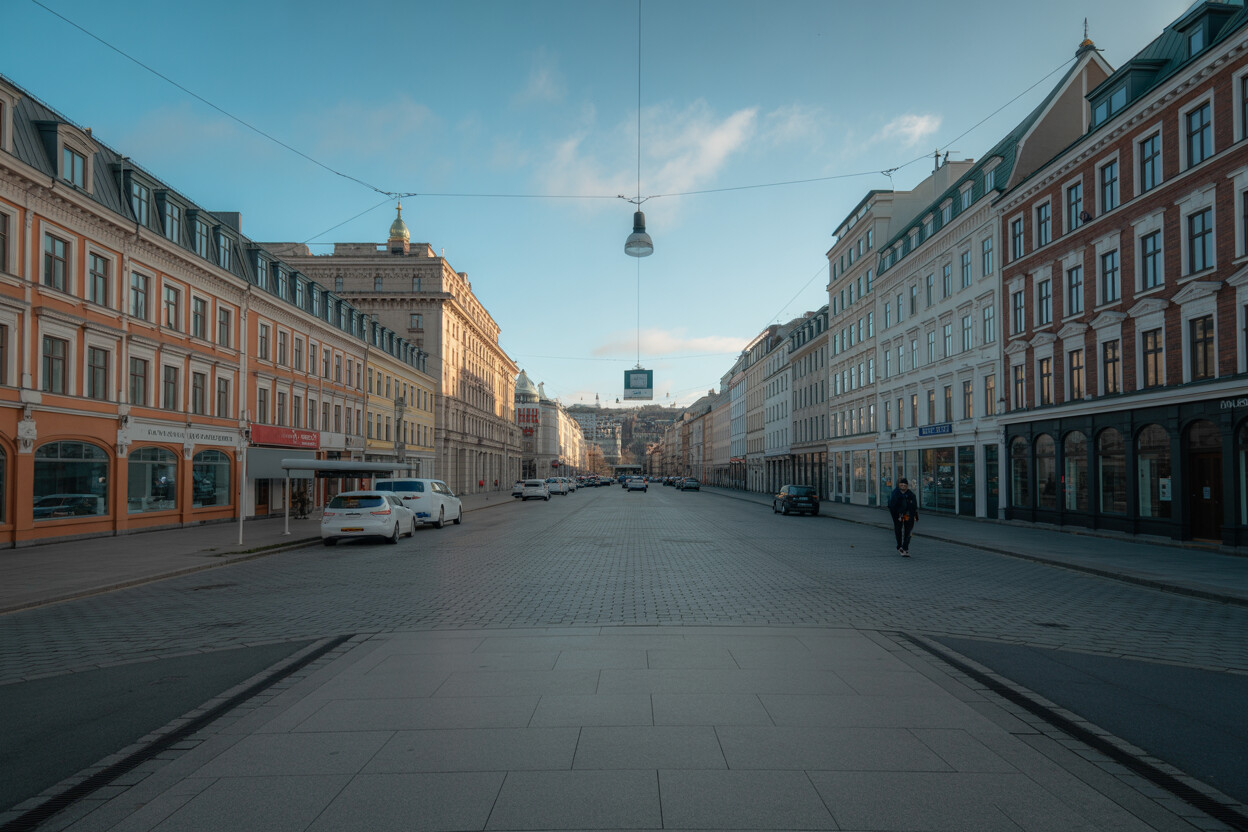
A bombshell has exploded across the tourism landscape, and it’s shaking Europe to its core. Greenland tariffs have become a volatile new weapon in President Trump’s trade arsenal, and European nations are reeling. The once-peaceful tourism industry in Denmark, Norway, Sweden, France, Germany, the United Kingdom, Netherlands, and Finland now faces an unprecedented crisis that threatens to turn the travel industry upside down. These Greenland tariffs are no small matter. With the spectre of tariffs as high as 25% by summer 2026, travelers are already pulling back, rethinking their dream trips to these European hotspots.
Tourism-dependent countries across Europe are on edge, trying to figure out how they will weather this storm. With Greenland tariffs hanging over them like a dark cloud, the financial and reputational damage to European nations could be catastrophic. Is this the end of the golden era of European tourism? Could this unprecedented clash over Greenland tariffs alter the very fabric of global travel?
The Greenland Tariffs Crisis: What It Means for Tourism in Europe
Advertisement
Advertisement
In early 2026, Greenland tariffs suddenly dominated the global trade conversation. What was once a distant political dispute over a small island has now become a major threat to Europe’s tourism economy. President Trump’s unilateral tariff threats to Denmark, Norway, Sweden, France, Germany, the United Kingdom, the Netherlands, and Finland are leaving an indelible mark on the tourism industry. Countries across the European continent are facing devastating repercussions that could not only sour relations but also slash their already fragile post-pandemic tourism numbers.
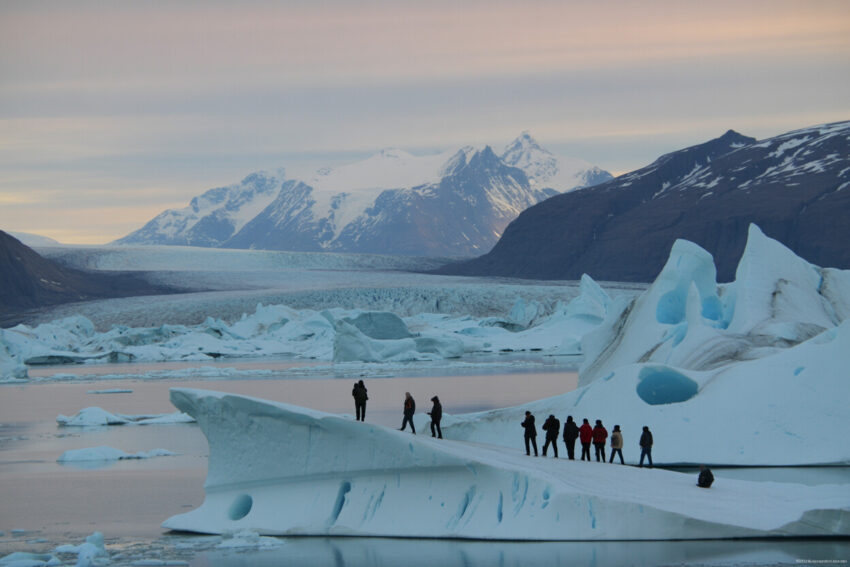
For many European countries, tourism is the backbone of their economy. Denmark, home to the majestic beauty of Greenland, has seen an increasing flow of tourists to the Arctic island, boosting its economy and placing it at the centre of global attention. But now, Greenland tariffs are set to turn everything upside down. If President Trump’s threat of 10% tariffs on imports from these European nations comes into play, it will send shockwaves through the industry, triggering a massive pullback from travellers worldwide. The impact will be felt most acutely in countries like Norway and Sweden, which rely heavily on tourism in the northern wilderness and pristine landscapes.
It’s not just about the numbers, though. This trade spat is about the future of tourism itself in these iconic destinations. If Greenland tariffs are implemented, the travel industry will experience a massive collapse in bookings and massive economic losses. Destinations that once thrived on international visitors are now bracing themselves for the fallout. What does this mean for your next European getaway? It could mean higher prices, fewer options, and ultimately less travel satisfaction if these tariffs take effect.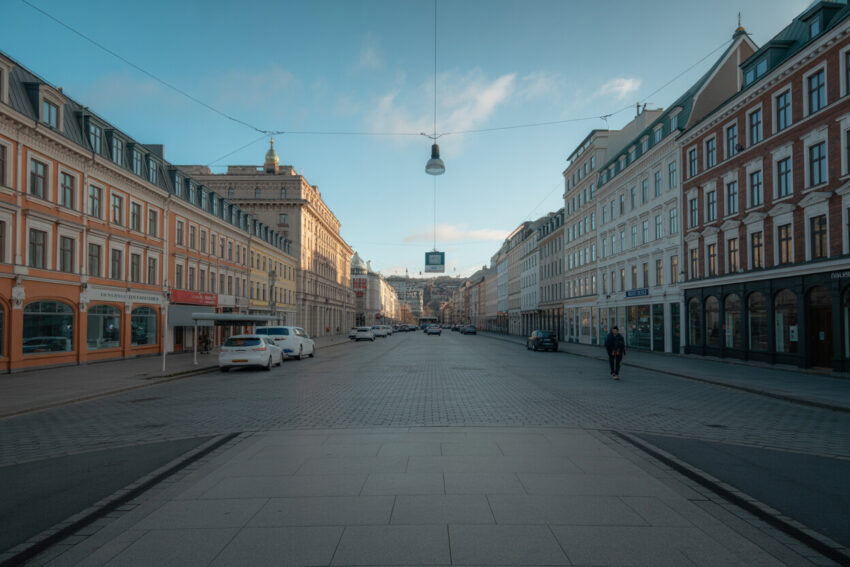
Europe’s Major Tourism Destinations Face the Brink of Disaster
When you think of Europe’s iconic travel destinations, you think of Paris, London, Berlin, and Stockholm. But what if these cities—and the very countries they represent—were no longer able to offer you the same carefree, vibrant experiences they once did? Greenland tariffs threaten to halt that dream.
Countries like France, famous for its culinary delights, romantic streets, and iconic landmarks, could see a drop in U.S. visitors if these tariffs go ahead. France’s tourism, which has already been hit by the fallout of Brexit and other external factors, will feel the sting of economic downturn as Greenland tariffs start to hurt visitor numbers. Once-thriving regions that depended on U.S. visitors will find themselves with empty hotel rooms and closed restaurants.
Germany, another tourist giant, is similarly at risk. Known for its world-class cultural institutions, Germany’s tourism has long relied on U.S. tourists exploring its rich history and vibrant cities. Now, with Greenland tariffs threatening to increase the cost of travel to Germany, these tourists may look elsewhere for their travel needs.
The United Kingdom and Finland are no strangers to the tourism crunch either. The UK, often the number one European destination for American visitors, risks seeing its travel numbers plummet if this trade war spirals further. Finland, known for its magical winter landscapes, could also see a sharp drop in international arrivals. The impact could be devastating, with Greenland tariffs making once affordable holidays unaffordable for many.
As travel becomes more expensive and uncertain, the most severe consequences will be felt in the pockets of businesses that have spent years building their international tourism appeal. Greenland tariffs threaten to undo that work, bringing tourism to a screeching halt.
How Greenland’s Tariff Tensions Will Impact Your Future Travel Plans
Is this the end of your dream trip to Europe? The answer is likely yes if you were hoping to travel to Greenland, Denmark, Norway, Sweden, or any other European destination caught in the crossfire of this tariff dispute. The travel industry is already bracing itself for major disruptions.
Tour operators who once offered affordable Arctic cruises or city packages in Sweden and Norway may soon find that the tariffs on goods coming from these countries will make their products unaffordable. If the costs of operating cruises, chartered flights, or guided tours increase, these companies will have no choice but to pass the costs onto you—the traveller.
Moreover, Greenland tariffs could also deter future investment in the tourism infrastructure that these nations rely on. With fewer visitors coming to these destinations, there will be less incentive for companies to build new resorts, maintain existing tourism sites, or invest in local attractions.
But it’s not all doom and gloom. The impact of these tariffs will depend largely on how countries and travel businesses react. Some destinations may pivot quickly to tap into emerging tourism markets to make up for the loss of U.S. travellers. But for now, it’s unclear how long it will take for tourism to bounce back from this seismic shock.
Could Greenland’s Tariffs Destroy Europe’s Reputation as the World’s Top Travel Destination?
Europe has long enjoyed its position as the world’s top travel destination, attracting millions of visitors every year. But Greenland tariffs may be the tipping point that shifts global tourism away from the continent. For years, countries like Denmark, Sweden, and Finland have marketed themselves as the ultimate getaway for travellers seeking a mix of culture, adventure, and natural beauty. But now, thanks to these tariffs, their once-untouchable reputation could be tarnished forever.
Countries like Germany and the United Kingdom might feel the pressure of fewer tourists in their cities. With the imposition of these Greenland tariffs, European nations risk alienating some of their most lucrative tourist markets.
With all eyes now on Greenland, the entire tourism industry faces the tough question: How will these nations recover from the economic damage of these tariffs, and will Europe still be the go-to destination for global travellers in the years to come?
Conclusion: Why 2026 Could Be the Year Europe’s Tourism Economy Collapses
The ripple effects of the Greenland tariffs will be felt across Europe in 2026 and beyond. Denmark, Norway, Sweden, France, Germany, United Kingdom, Netherlands, and Finland will struggle to regain the momentum they had built in the tourism sector post-pandemic. As tariffs drive up travel costs and limit choices for global travellers, the Greenland tariffs are poised to crush European tourism.
But as we all know, the future of tourism is never set in stone. Countries, businesses, and travellers alike must stay vigilant as the world waits to see whether these Greenland tariffs will trigger a full-scale collapse of European tourism or simply be a temporary setback.
The impact on your travel plans is undeniable. If you’re planning a trip to Europe, keep a close eye on how these tariffs play out. The world’s top destinations could soon become inaccessible, or worse, unaffordable.
