In 2026, Moldova will face both old and new challenges. The government needs to address past problems and find new ways to help the country grow. The goal is to raise living standards and prove that the European model offers Moldovans more advantages than the one supported by pro-Russian groups with ties to the Kremlin’s “Ruski Mir” [Russian World] project for dominance of the former Soviet space.
Moldova’s main challenge is to implement reforms in key areas to achieve genuine democratic change and modernization. Its leaders must also convince Brussels that these changes are real and lasting, so that Moldova can join the EU by the 2030s.
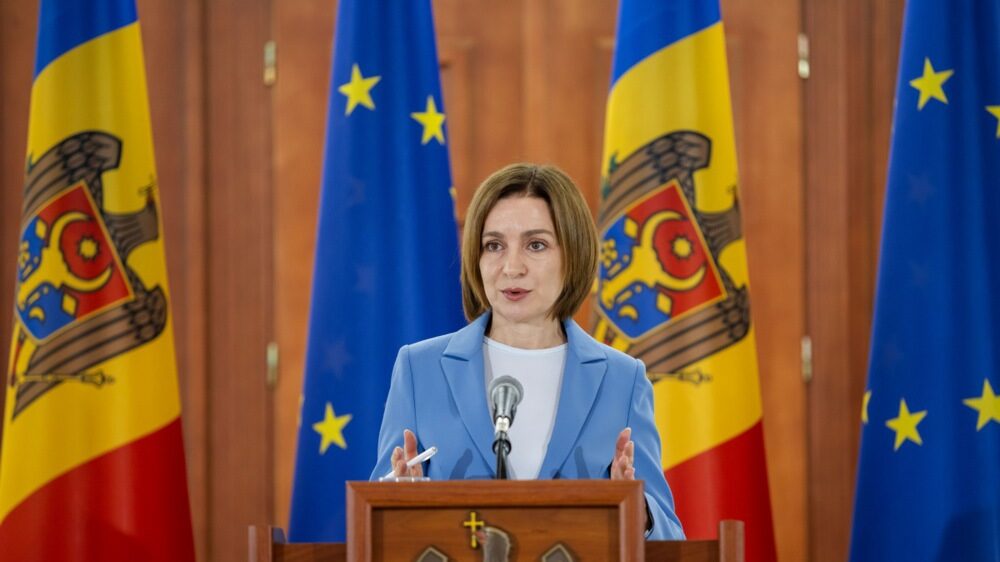
At year end, on December 30, President Maia Sandu stressed the need to continue reforming the judiciary by vetting all magistrates through a special process. Judicial reform is the main focus for Chisinau’s leaders and is central to Moldova’s EU talks with Brussels.
Please login to your account below if you are already a Premium Subscriber.
Our Premium Service gives you full access to all content published on BalkanInsight.com, including analyses, investigations, comments, interviews and more. Choose your subscription today and get unparalleled in-depth coverage of the Southern and Eastern Europe.
If you have trouble logging in or any other questions regarding you account, please contact us