Published on
January 21, 2026
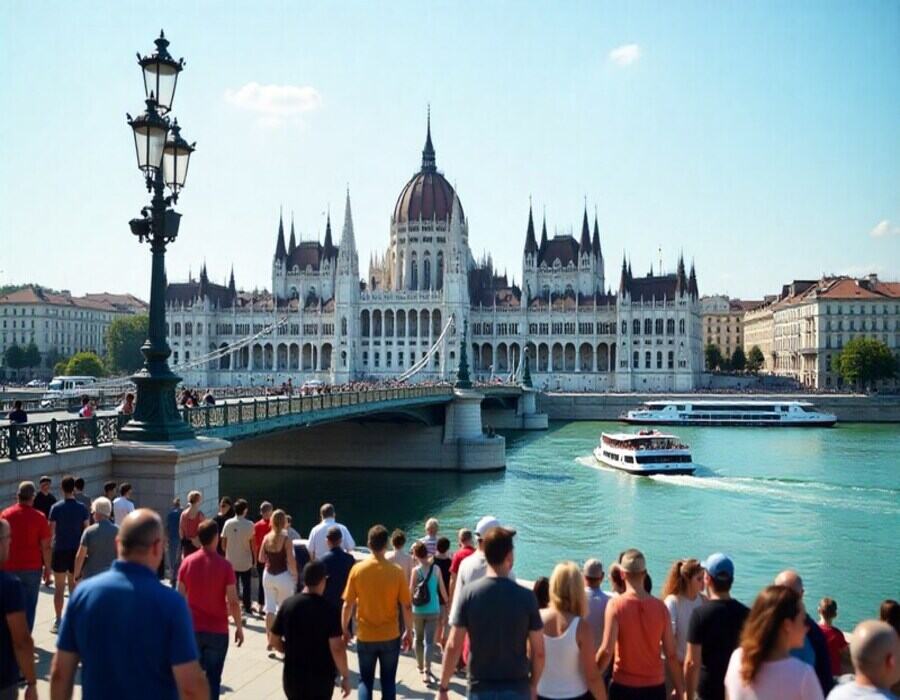
In 2025, Hungary reached a historic milestone by surpassing twenty million visitors, marking an exceptional achievement for its tourism sector. This record-breaking success not only reflects the country’s growing appeal as a top destination but also positions Hungary as a leader in Europe’s travel growth. The surge in tourism, well beyond the European Union’s average, was fueled by both domestic and international travelers, with Budapest standing out as the primary hotspot. With a strategic focus on infrastructure development and attracting visitors from neighboring countries, Hungary’s tourism industry has solidified its place as a key player in Europe’s rapidly expanding tourism market. This remarkable growth showcases the country’s resilience and commitment to becoming a top destination for travelers worldwide.
Hungary Breaks Tourism Records in 2025 with Over 20 Million Visitors
Hungary has achieved an unprecedented milestone in its tourism sector, surpassing 20 million visitors in 2025. This represents a historic high for the country, surpassing the previous record set in 2024. The Hungarian Tourism Agency’s latest data reveals a significant surge in both domestic and international travel, reflecting the nation’s growing popularity as a prime travel destination.
This surge outpaces the European Union’s tourism growth rate, with Hungary’s numbers rising nearly 2.5 times faster than the EU average. The total includes a combination of domestic and international tourists, highlighting Hungary’s broad appeal to travelers across the globe.
Advertisement
Advertisement
Budapest Leads the Way
Budapest, Hungary’s vibrant capital, was the leading contributor to this tourism boom. In 2025, over 8.1 million visitors flocked to the city, contributing to 18.5 million overnight stays. This marked a 13% increase in guest numbers compared to the previous year. The city’s allure continues to grow, with the number of overnight stays rising nearly 10% year-on-year, reaffirming Budapest’s status as Hungary’s most popular tourist destination.
A key factor in this growth was the performance of Ferenc Liszt International Airport, which handled a record-breaking 19 million passengers in 2025. Passenger traffic increased steadily, with a smooth distribution of arrivals throughout the year, avoiding overwhelming seasonal surges.
Tourism Expands Across Hungary
While Budapest remains the top destination, Hungary’s regional tourist spots also saw significant growth in 2025. Spa towns like Siófok, Hévíz, and Hajdúszoboszló enjoyed strong demand, and Lake Balaton, one of Hungary’s most popular attractions, welcomed 3.4 million visitors, a 3% increase over the previous year. The surge in passenger ship and ferry traffic on the lake was particularly notable, reaching levels not seen in the last two to three decades, providing a further boost to the local economy.
Tourists from neighboring countries like Germany, Romania, Poland, the UK, and the Czech Republic made up a large portion of the international visitors. Domestic tourism remained strong, especially in regions outside Budapest, where Hungarian residents made up a considerable share of overnight stays.
Accommodation Demand Soars
The influx of tourists led to a sharp rise in accommodation demand across Hungary. The total number of overnight stays nationwide surged to nearly 49 million, up from about 46.6 million in 2024. Foreign visitors primarily filled hotel rooms in Budapest, while domestic travelers made up the majority of stays in other regions.
The increased demand also bolstered the Hungarian economy, with spending through the Szép voucher system reaching HUF 492 billion in 2025. This system, designed to encourage local tourism, played a crucial role in sustaining the country’s tourism-driven economy.
Tourism’s Economic Impact
Tourism has become a vital contributor to Hungary’s economic performance. In 2025, the sector accounted for more than 14% of the country’s GDP, with nearly 10% of central budget revenues coming from tourism-related spending. This includes expenditures on accommodations, transportation, food services, and leisure activities, demonstrating the significant role tourism plays in the country’s financial stability.
Hungary’s government has also invested heavily in tourism infrastructure. The Kisfaludy Tourism Development Program allocated HUF 405 billion to fund over 21,000 projects, while tourism businesses were offered low-interest loans through the Kisfaludy Tourism Credit Center to stimulate further growth and development in the sector.
Capacity Strain and Infrastructure Development
As tourism demand continued to rise, Hungary faced growing pressure on its transport infrastructure and accommodation capacity, particularly in Budapest. The high demand for three- and four-star hotels posed challenges for maintaining service levels throughout the year, prompting the need for strategic adjustments within the hospitality sector.
In response, Ferenc Liszt International Airport is set to undergo development work in 2026. The planned expansion will help manage the increasing passenger traffic more effectively and improve the airport’s overall operational efficiency, preparing it for future growth.
New EU Border Systems
Hungary’s tourism success in 2025 coincided with the rollout of new EU border systems that affect short-term visitors from outside the EU. In October 2025, the Entry-Exit System (EES) was introduced to collect digital entry and exit data from non-EU nationals traveling for short stays (up to 90 days). The system is expected to be fully operational by April 2026.
Additionally, the European Travel Information and Authorization System (ETIAS) will be introduced in the final quarter of 2026. ETIAS will require travelers from visa-exempt countries to apply for online authorization before departure, further streamlining the process of entering Hungary and other European countries while enhancing security.
In 2025, Hungary surpassed twenty million visitors, setting a new tourism record and positioning itself as a leader in Europe’s travel growth. This remarkable achievement reflects the country’s growing global appeal and strong infrastructure, with Budapest leading the charge as the prime destination.
Looking Ahead
Hungary’s tourism sector finished 2025 on a high note, breaking records in visitor numbers and overnight stays. As the country adapts to new EU border regulations and continues investing in infrastructure, it is well-positioned for continued growth in the coming years. Hungary’s tourism industry is primed to remain a major player in Europe, with the potential for even greater success as the country embraces innovative strategies and expands its appeal to travelers from around the world.
