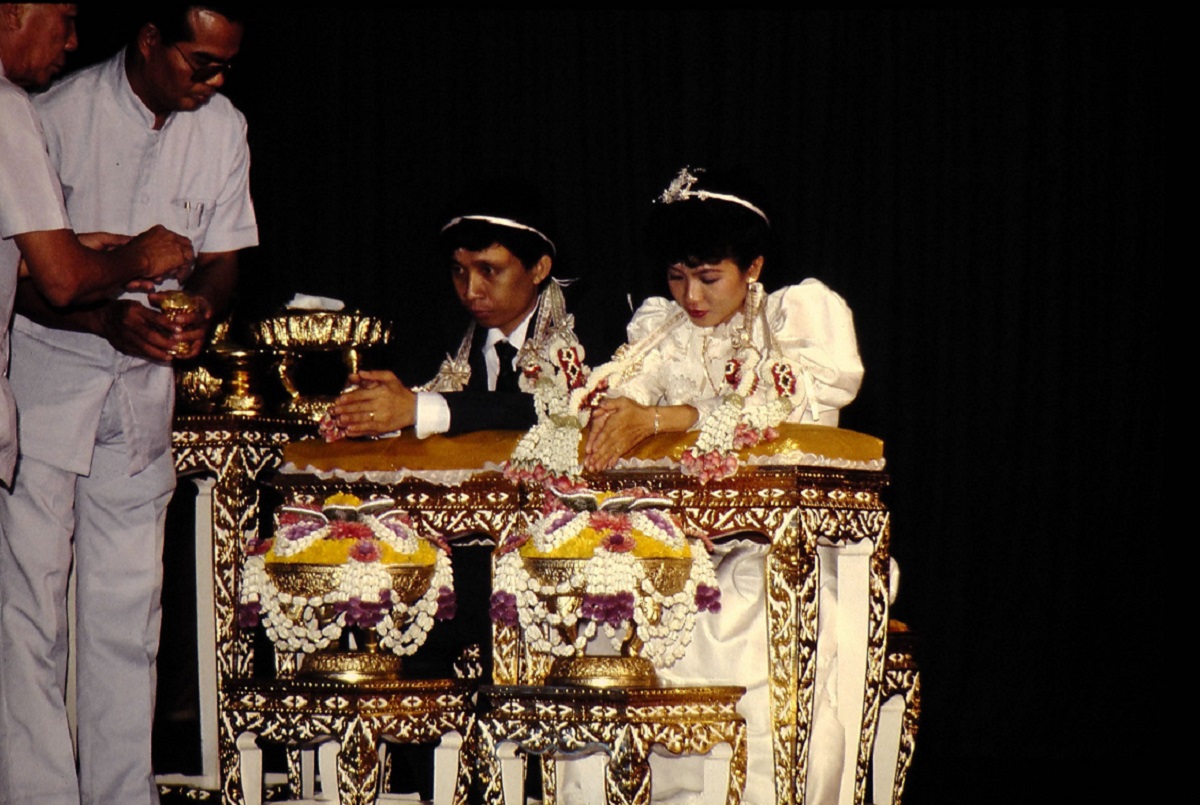
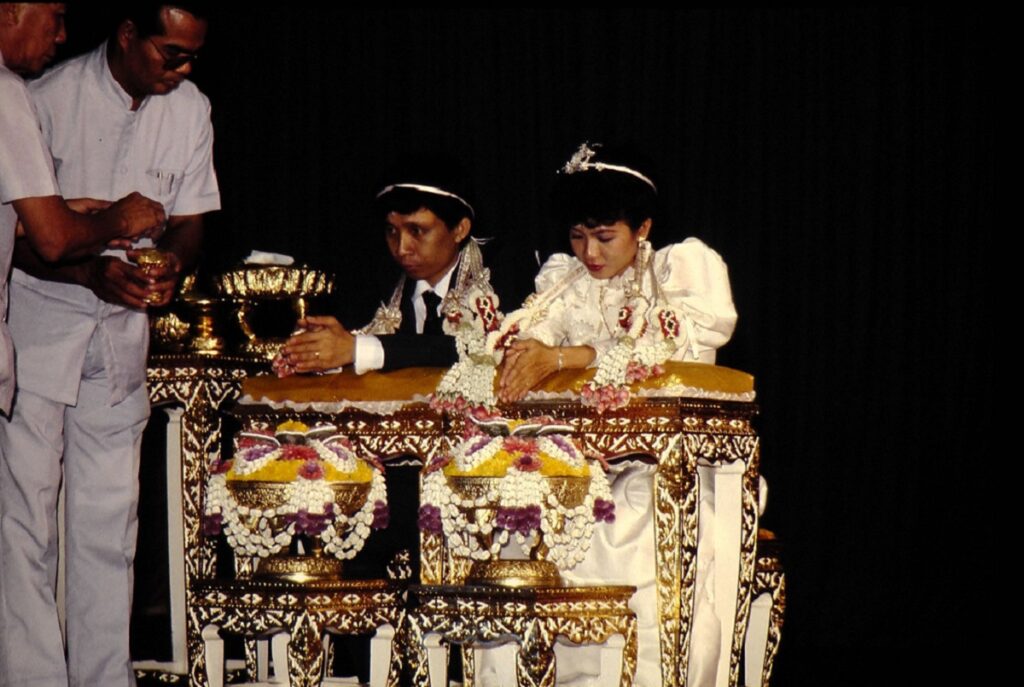
Japanese migration to Latin America has occurred since the 19th century, with the largest diaspora communities settling in Brazil and Peru. Credit: Jircas Library, CC BY 2.0 / Flickr.
Japanese migration to Latin America is one of the many migratory movements to the subcontinent during the 19th and 20th centuries. Although less well known than migration from Europe, the exodus of Japanese people to Latin America has left a deep mark on several countries in the region, both culturally and economically.
Over the course of more than a century, thousands of Japanese immigrants arrived in countries such as Brazil, Peru, Argentina and Mexico. The reasons behind this phenomenon are diverse. Whatever the motivations of those leaving home, their arrival in Latin America had a profound impact on the construction of identity in those receiving countries.
Although fewer Japanese migrants came to Colombia than to other countries in the region, the country received a remarkable community of migrants.
Origins of Japanese migration to Latin America
Japanese people first started to move to Latin America in the late 19th century, primarily due to Japan’s economic and social situation. The country was undergoing rapid modernization following the Meiji Restoration (1868), a process that brought about a series of industrial and agricultural transformations that affected the rural population while maintaining respect for traditional practices and the emperor.
Population growth, combined with a lack of arable land and a reduction in demand for agricultural labor, caused many people to seek opportunities abroad. The Japanese government even promoted emigration as a strategy to alleviate demographic pressure and expand its international influence, at a time when Japanese expansionism was reaching its peak.
Initially, many Japanese people moved to Asia and the Pacific. However, Latin America soon emerged as a viable destination, especially as European colonies and other American countries began to need workers to help develop their economies.
Brazil and Peru received the largest Japanese populations, although other countries in Latin America also welcomed Japanese immigrants. In Argentina, the Japanese started arriving in the early 20th century, but the community grew more moderately in comparison with their Brazilian and Peruvian neighbors. In Mexico, Japanese migration was particularly notable in states such as Baja California and Chiapas, though again it was more limited in scale than in Brazil or Peru.
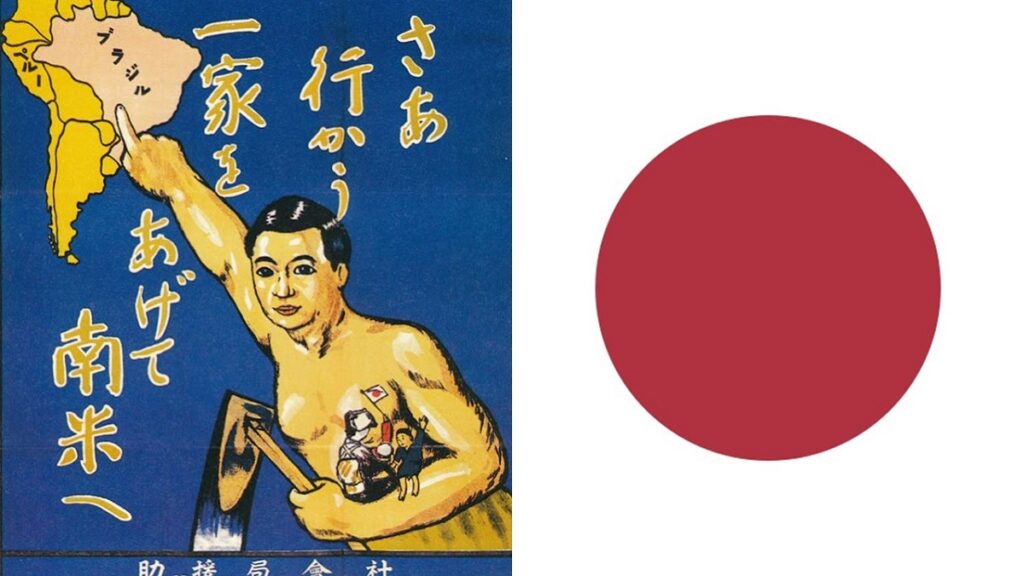
The Japanese Empire actively promoted the emigration of its citizens abroad during the 19th century. Credit: Japanese Immigration History Museum, Public Domain / Wikimedia / Kaushi, Public Domain / Wikimedia.
Brazil, the main destination for Japanese immigrants in Latin America
Brazil was the main destination for Japanese migrants to Latin America. In 1908, the ship Kasato Maru arrived at the port of Santos with the first Japanese immigrants, marking the beginning of this diaspora in Brazil. Over the following decades, tens of thousands of Japanese people settled in the South American country, primarily in the state of São Paulo, where they worked on coffee plantations and later developed agricultural communities.
It is estimated that between 1908 and 1941, approximately 190,000 Japanese emigrated to Brazil, making it the country with the largest Japanese community outside Japan. Today, Brazil is home to an estimated 1.5 million people of Japanese descent, making it an important center of Nikkei culture.
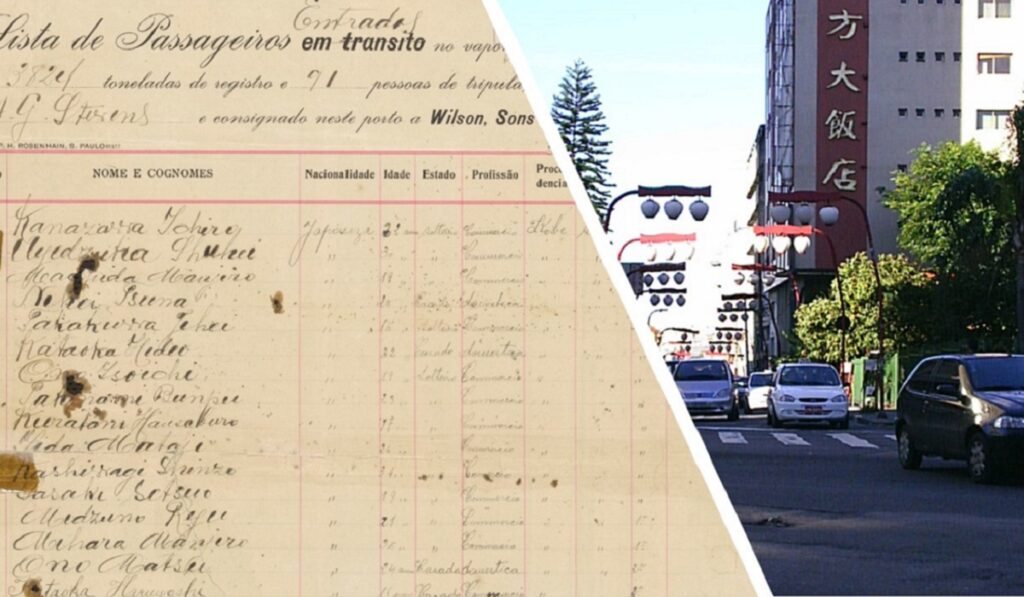
The first Japanese migrants arrived in Brazil in 1908. Today, the Liberdade neighborhood in São Paulo is home to a large Japanese community. Credit: Pacific Steam Navigation Company, Arquivo Nacional, Public Domain / Gaf.arq, CC BY-SA 3.0 / Wikimedia.
Peru, a special case – and the second most popular destination for Japanese immigrants to Latin America
The second most important destination for Japanese migration to Latin America was Peru. The first Japanese migrants arrived in 1899, as a group of around 790 people aboard the Sakura Maru. Most of these immigrants were hired to work on cotton and sugarcane plantations, although many eventually moved to cities and became involved in trade and other businesses. The Japanese community in Peru has had a significant influence on Peruvian society. These include Alberto Fujimori, a controversial politician who was president of Peru during the 1990s.
By the 1930s, the Japanese community in Peru numbered around 20,000 people, although the population faced challenging times during World War II, when many Japanese were deported to internment camps in the United States due to fears that they might be loyal to Japan.
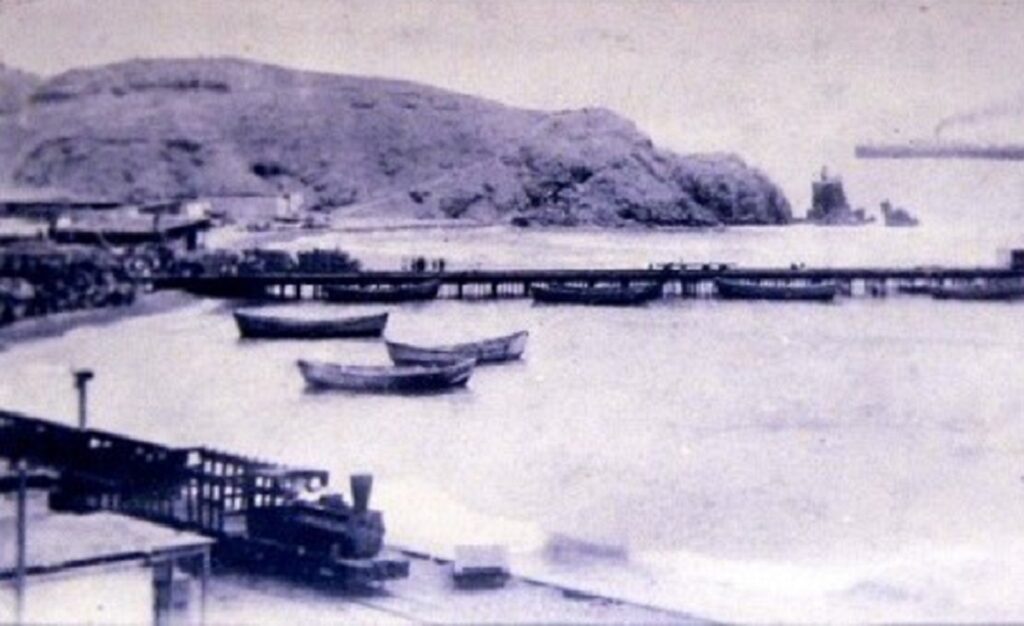
The first ship carrying Japanese migrants arrived in Peru in 1899. Credit: Japanese Peruvian Association, Public Domain / Wikimedia.
Japanese migration to Colombia
Colombia also received Japanese immigrants, though in smaller numbers than other countries in Latin America. The country experienced three waves of Japanese migration, in 1929, 1930, and 1935 respectively, which followed the Japanese Empire’s clearly established migration plans.
The first Japanese migrants in Colombia settled in the department of Cauca, in the south of the country. However, initial contact between the two countries dates back to earlier in the 20th century, when Colombia sought to strengthen its international relations after the loss of Panama in 1903. In 1908, Antonio Izquierdo de la Torre traveled to Japan with the intention of promoting Japanese immigration to support the country’s agricultural and railway development. Although these efforts did not immediately succeed, a small group of immigrants arrived in Barranquilla, on the Caribbean coast, in 1915.
The second major attempt to bring Japanese immigrants to Colombia took place between 1929 and 1960, when Japanese companies from Fukuoka began exploring potential settlements in Colombia. Despite initial difficulties, several families managed to establish themselves as farmers in Valle del Cauca.
During World War II, the situation for Japanese immigrants in Colombia deteriorated due to the rupture of diplomatic relations between the two countries, leading to the deportation of several Japanese residents. After the war, descendants of Japanese immigrants, known as nikkei, began to integrate more into Colombian society, making notable contributions in areas such as barbering and gardening.
The Japanese community in Colombia has remained relatively small compared to other South American countries. Currently there is an estimated population of around 3,000 people of Japanese descent and 2,700 direct descendants. Despite its small size, the community has maintained a strong cultural identity, and in recent years, there has been a growing interest in promoting cultural and economic exchanges between Japan and Colombia.
Related: A Colombian in Japan; The Amazing Story of Dancer Martha Diaz
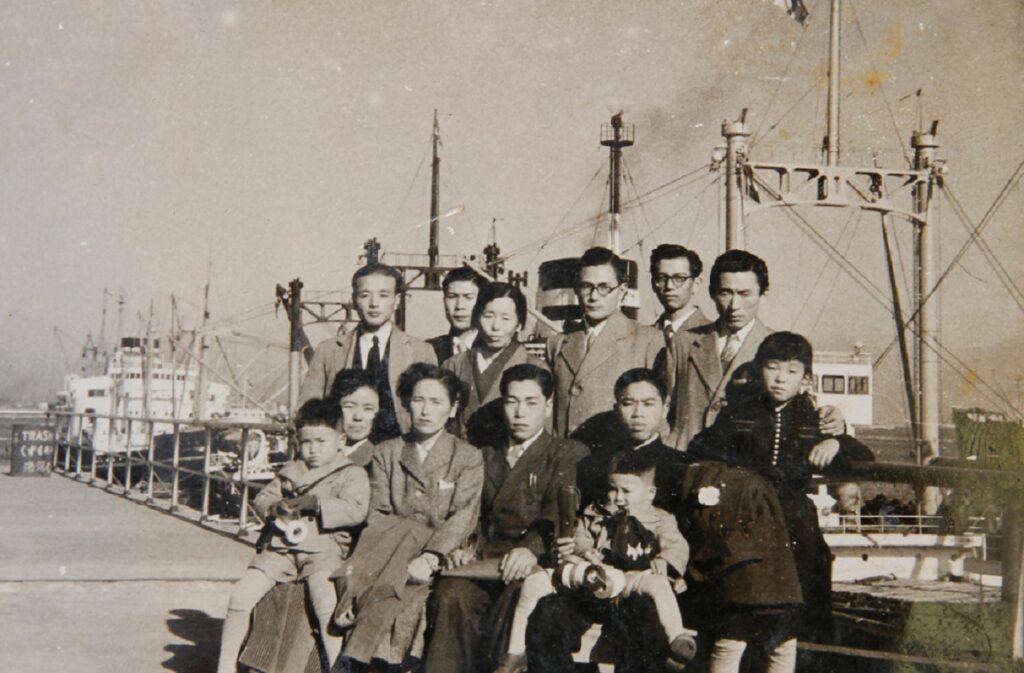
The Japanese began arriving in Colombia in the late 1920s. Credit: Private File / Los Andes University.
Back to Japan
In recent decades, there has been a notable return of the Japanese diaspora in Latin America to Japan. This migration trend, which intensified from the 2000s onward, has been driven by factors.
Firstly, the appeal of economic growth and job stability in Japan has attracted many Japanese descendants seeking better opportunities. Repatriation programs and the increased demand for skilled workers in Japan have also played a crucial role. Economic crisis and political instability in Latin American countries such as Brazil, Peru, and Bolivia have also led many Latinos of Japanese descent to consider returning to Japan.
The return has been particularly pronounced from the countries with the largest Japanese populations: Brazil and Peru. In these countries, the deterioration of economic conditions and limited prospects have driven many to return to Japan in search of a more stable life.
Japanese cultural impact and legacy in Latin America
Japanese migration to Latin America has left a profound legacy in receiving countries in Latin America. In Brazil, for example, Nikkei culture has fully integrated into national life. The “Festival do Japão” in São Paulo is widely celebrated and the country enjoys a rich culinary tradition that blends Japanese and Brazilian elements. In Peru, Japanese influence is particularly notable in gastronomy. The fusion of Japanese and Peruvian dishes has led to the renowned Nikkei cuisine, which is known for dishes such as tiradito and Japanese-influenced ceviche.
In addition to their cultural impact, Japanese communities have played a significant role in the economic development of the host countries, contributing to areas such as agriculture, industry, and trade.
Japanese migration to Latin America was a major phenomenon that influenced the history and culture of several countries on the continent. From the early waves of immigrants in the late 19th century to the current Nikkei communities, Japanese people and their descendants are integral to the diversity of Latin American societies. While each country has had its own experience with Japanese migration, all share the legacy of this diaspora, which has enriched the cultural and economic diversity of the region.