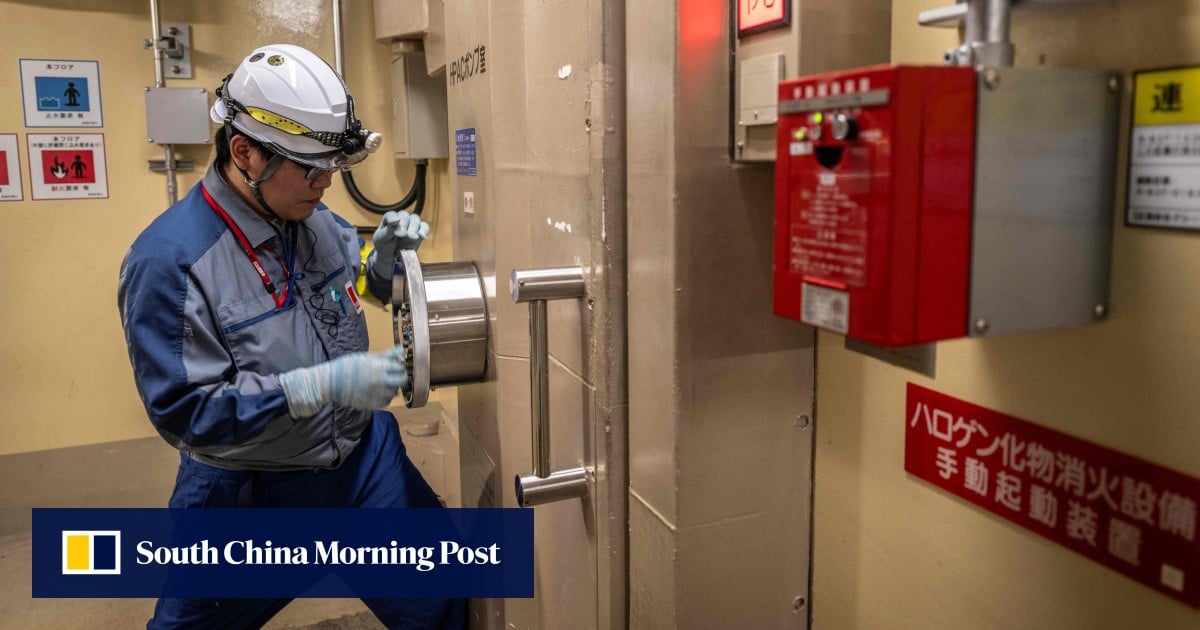
Tokyo Electric Power Company (Tepco) on Wednesday restarted its first nuclear reactor since the 2011 Fukushima disaster, with the utility’s safety measures set to be closely watched as it seeks to turn around its business amid ongoing clean-up efforts from the accident.
Tepco brought back online the No 6 reactor at the seven-unit Kashiwazaki-Kariwa complex in Niigata Prefecture, northwest of Tokyo – the world’s largest nuclear power plant by output when fully operational – making it the 15th reactor in the country to have restarted under the stringent post-Fukushima crisis safety standards.
The latest development marks a key milestone for the government pushing for the use of nuclear power in resource-poor Japan, while safety concerns remain among the public following the worst nuclear crisis since the 1986 Chernobyl disaster.
The closely watched restart took place at 7.02pm local time on Wednesday when a worker at the central control room pushed the button to remove the control rods from the No 6 reactor.
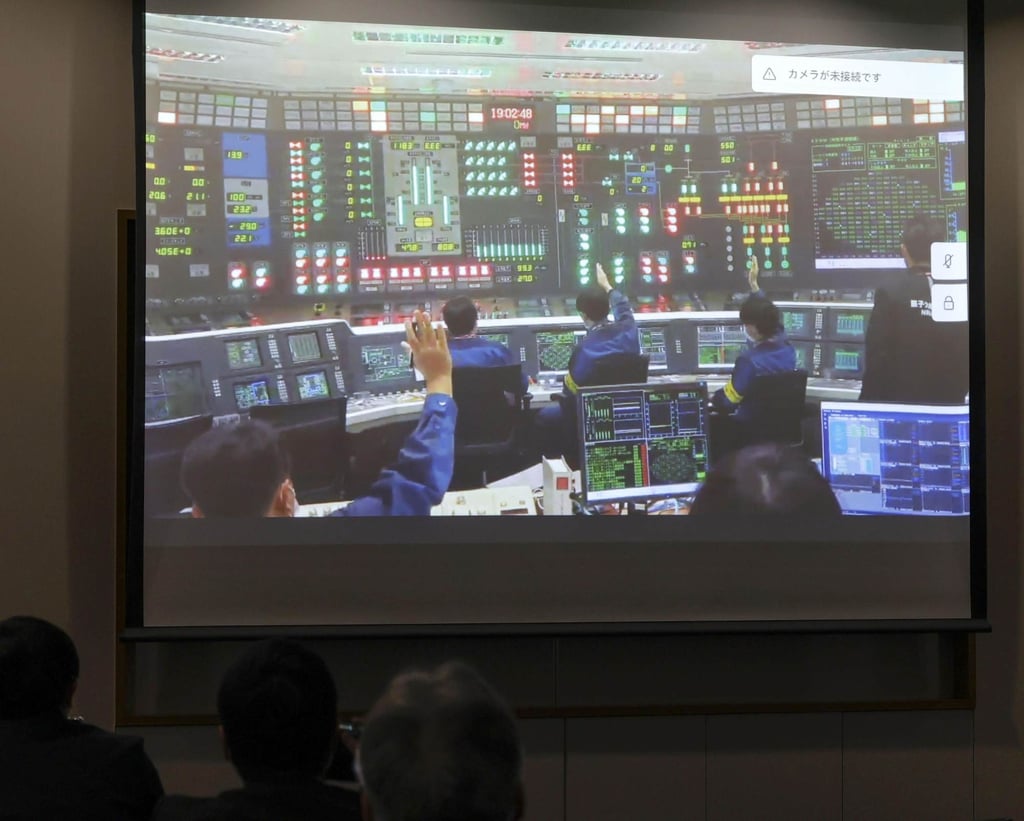
A monitor broadcasts the restart of a reactor at the Kashiwazaki-Kariwa nuclear power plant on Wednesday. Photo: Kyodo
At 8.28pm, the reactor reached criticality, a controlled self-sustaining nuclear fission chain reaction. Tepco plans to increase output and transmit power to the Tokyo area on Tuesday on a trial basis before starting commercial operation on February 26.