Published on
January 21, 2026
For travelers discovering Cyprus for the first time, the Karpaz Peninsula offers a striking contrast to the island’s resort-lined coastlines and urban centers. Stretching far into the northeastern Mediterranean, this remote region is defined by open landscapes, limited development, and a pace shaped by nature rather than tourism schedules.
Karpaz Peninsula nature tourism focuses on space, silence, and environmental authenticity, making it one of Cyprus’s most distinctive travel experiences.
Geographical Location and Landscape Overview
The Karpaz Peninsula forms the northeastern extension of Cyprus, narrowing gradually as it reaches the island’s farthest point. Surrounded by sea on both sides, the peninsula is characterized by rolling hills, rocky headlands, fertile plains, and long, undeveloped coastlines.
Its geographical isolation has played a key role in preserving its natural environment, allowing ecosystems to remain largely intact.
Advertisement
Advertisement
Natural Environment and EcosystemsCoastal Landscapes
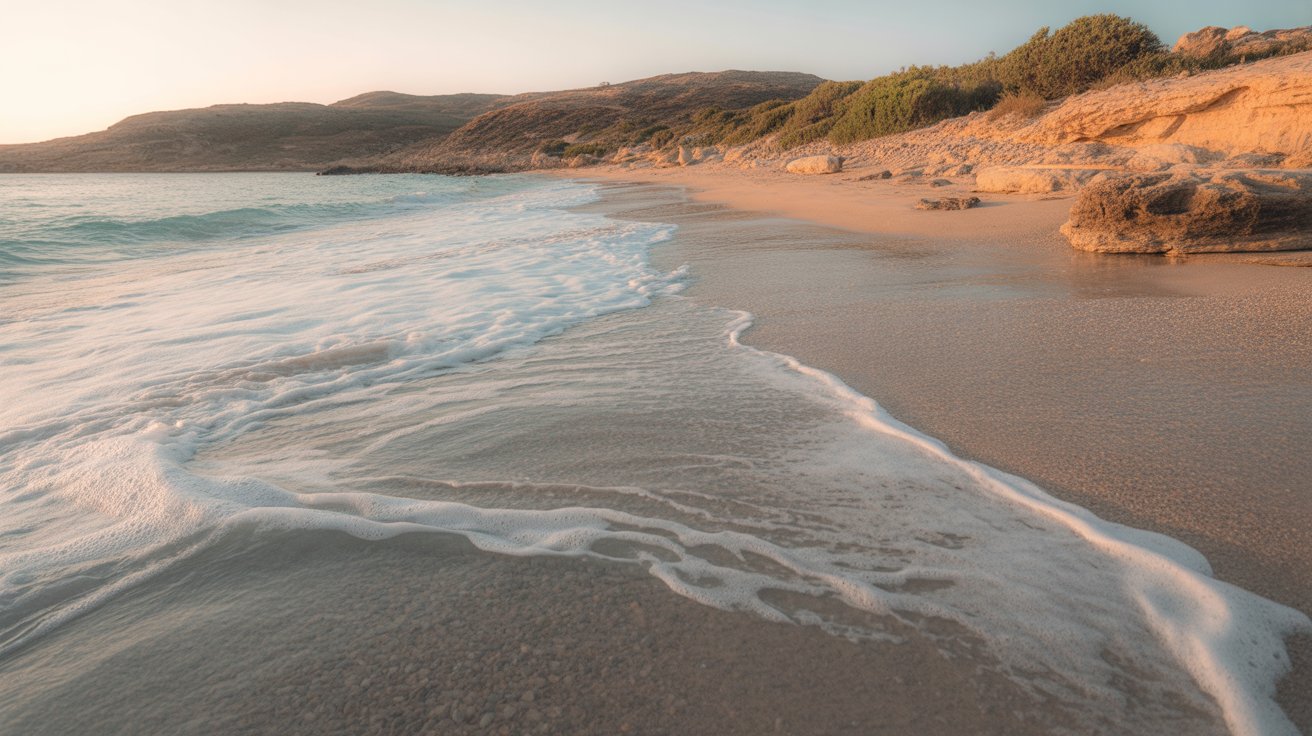
The peninsula features some of Cyprus’s longest uninterrupted beaches, with golden sands, dunes, and open Mediterranean exposure.
Hills and Open Plains
Inland areas consist of gentle hills, grasslands, and agricultural zones, creating wide views and a sense of openness.
Marine and Coastal Biodiversity
Clear waters and low human impact support healthy marine environments along much of the coast.
Flora and Seasonal Changes
Spring brings wildflowers, while summer highlights dry, sunlit landscapes typical of the eastern Mediterranean.
Why the Karpaz Peninsula Matters in Global Nature Tourism
As global tourism shifts toward sustainability and low-impact experiences, the Karpaz Peninsula represents an increasingly rare destination. It offers travelers the chance to experience Mediterranean landscapes largely free from mass tourism infrastructure.
Its importance lies not in spectacle, but in continuity—preserving environments that reflect how Cyprus once looked before widespread development.
Key Nature-Based Experiences in the Karpaz PeninsulaWild Beaches
Remote beaches define the peninsula’s coastline, offering space and solitude rather than facilities.
Hiking and Walking
Walking routes follow coastal paths, rural tracks, and open plains, encouraging slow exploration.
Wildlife Observation
The peninsula supports diverse birdlife and other native species, particularly in quieter inland zones.
Landscape Photography
Wide horizons, minimal structures, and changing light conditions make the region ideal for photography.
Golden Beach as a Nature Tourism Anchor
Golden Beach stands as the peninsula’s most iconic natural attraction. Its length, isolation, and lack of development make it a central reference point for understanding Karpaz nature tourism.
Rather than acting as a standalone attraction, Golden Beach represents the broader environmental values of the region: openness, restraint, and respect for natural processes.
Cultural Landscape and Rural Life
Although nature dominates, the Karpaz Peninsula is not empty. Small villages and agricultural areas coexist with the landscape, maintaining traditional livelihoods tied to the land.
Nature tourism here often intersects with rural culture, offering insight into low-density settlement patterns and local rhythms of life.
How to Reach the Karpaz PeninsulaBy Car
Private vehicles provide the most flexibility and access to remote areas.
Guided Nature Tours
Some tours focus on environmental exploration and regional context.
Travel Planning
Distances may appear short but require time due to road conditions and terrain.
Who Karpaz Peninsula Nature Tourism Is For
This region suits first-time visitors who value authenticity, quiet environments, and independent exploration. It appeals to nature lovers, photographers, slow travelers, and those seeking reflective travel experiences.
Travelers seeking nightlife, shopping districts, or resort amenities may find the peninsula less suitable.
Best Time to Visit the Karpaz PeninsulaSpring
Ideal for walking, photography, and experiencing seasonal vegetation.
Summer
Bright and dry, with strong sunlight and limited shade.
Autumn
Warm seas, softer light, and fewer visitors create balanced conditions.
Winter
Atmospheric and quiet, though weather may be unpredictable.
Facilities and Infrastructure Considerations
Tourism infrastructure in the Karpaz Peninsula is minimal by design. Accommodation options are limited, and services may be sparse.
Visitors should approach the region with self-sufficiency, carrying water, food, and necessary supplies.
Environmental Responsibility and Sustainable Travel
The success of nature tourism in the Karpaz Peninsula depends on responsible visitor behavior. Respecting wildlife, avoiding litter, and minimizing environmental impact are essential to preserving the region’s character.
Low-impact travel ensures the peninsula remains viable for future generations.
Safety and Practical Advice
Due to remoteness, emergency services and mobile coverage may be limited. Travelers should inform others of plans, carry navigation tools, and avoid unnecessary risks in isolated areas.
Preparation enhances both safety and enjoyment.
Combining Karpaz with Other Cyprus Regions
While remote, the Karpaz Peninsula can be integrated into broader Cyprus itineraries, offering contrast to cultural cities, archaeological sites, and resort beaches elsewhere on the island.
This contrast deepens understanding of Cyprus’s geographic and environmental diversity.
Conclusion: Karpaz Peninsula as Cyprus’s Nature Tourism Pillar
The Karpaz Peninsula stands as the heart of nature-focused tourism in Cyprus. For first-time visitors, it reveals a side of the island shaped more by wind, water, and time than by development. Through its wild beaches, open landscapes, and restrained human presence, Karpaz offers an experience rooted in authenticity and environmental continuity—an essential pillar of Cyprus’s tourism identity.
