Published on
January 22, 2026
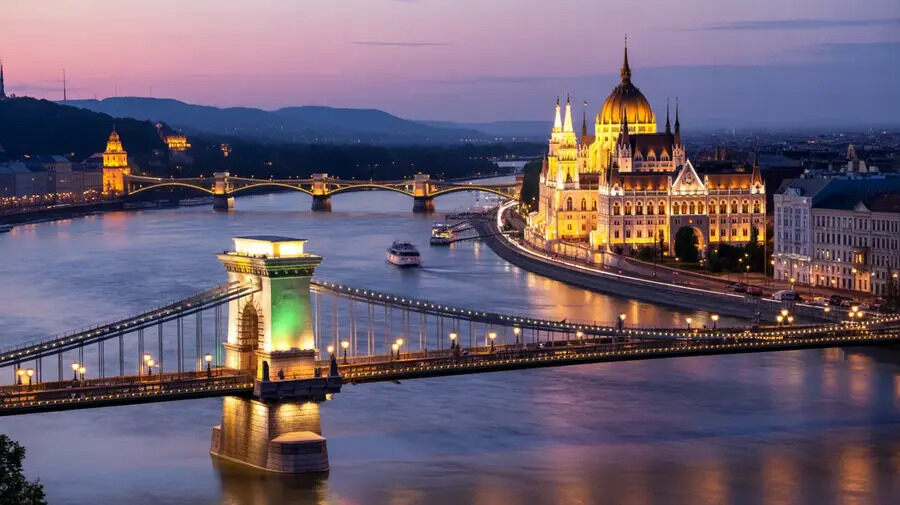
Hungary’s tourism industry set a record in 2025 when it surpassed twenty million visitors. Austria, as well as important European countries like Germany, Poland, Romania, the UK, Czech Republic, and others, were crucial in propelling this extraordinary upsurge. Strong domestic demand and the influx of foreign visitors drove Hungary’s tourism growth, which in turn fueled a wider trend of record-breaking tourism throughout Europe. Hungary’s rich cultural legacy, expanding infrastructure, and well-liked locations like Budapest and Lake Balaton contributed to the rise in tourists, establishing Hungary as a major participant in Europe’s booming travel industry.
In 2025, Hungary’s tourism sector reached new heights, breaking its own records and solidifying its position as a top destination in Europe. With a remarkable surge of over twenty million visitors, Hungary outpaced expectations and saw a level of growth that far exceeded the European Union average. The country’s tourism boom was fueled by a combination of strong domestic and international demand, with major European countries playing a significant role in driving this success.
Hungary’s Historic Achievement
The year 2025 will go down in Hungary’s tourism history as a landmark year, marking the highest number of visitors to date. According to the Hungarian Tourism Agency, more than twenty million guests stayed in commercial accommodations across the country, a staggering increase from previous years. This milestone reflects not only Hungary’s growing appeal but also the resurgence of European tourism following the challenges of earlier global events.
This growth is significant as it places Hungary on the global tourism map, showcasing the nation’s ability to attract visitors from around the world. The country’s capital, Budapest, remains a key draw, but the increasing popularity of regional destinations, including the scenic Lake Balaton and its renowned spa towns, has added depth to Hungary’s tourism landscape.
European Countries Driving the Surge
The tourism boom in Hungary was heavily influenced by an increase in visitors from several European nations. Countries across the continent, from neighboring states to more distant locations, contributed to Hungary’s record-breaking year. Let’s take a look at the key countries that played a pivotal role in this growth:
Germany: As one of Hungary’s most significant source markets, Germany continues to be a major driver of tourism, with a robust influx of visitors attracted to Hungary’s cultural offerings, historic sites, and vibrant capital city.Romania: With its proximity to Hungary, Romania has consistently been a strong contributor to the country’s tourism growth. Romanian visitors, both short and long-term, made up a significant portion of the total number, benefiting from Hungary’s diverse attractions.Poland: Poland also emerged as one of Hungary’s top markets in 2025. The strong economic ties and shared cultural connections between the two countries have played a vital role in increasing Polish tourism to Hungary, especially during the year-end holiday season.United Kingdom: The UK’s contribution to Hungary’s tourism surge is marked by a steady flow of visitors keen to explore the country’s rich history, architecture, and leisure offerings. London’s frequent flight connections to Budapest made the capital a popular city break destination.Czech Republic: The Czech Republic, sharing historical and geographical ties with Hungary, has been a consistent source of tourists. Its proximity and the convenience of travel have encouraged more Czech nationals to visit Hungary in 2025.Austria: Austria’s role in Hungary’s tourism expansion cannot be overstated. Neighboring Austria’s visitors were drawn to Hungary’s festivals, cultural events, and natural landscapes, making it a key player in helping Hungary achieve this historic milestone.Spain: Although relatively new in terms of direct tourism links, Spain has contributed to the growing number of international travelers visiting Hungary. Spanish visitors have shown particular interest in Hungary’s architectural sites and affordable luxury experiences.Italy: Italy’s influence on Hungary’s tourism growth has been significant in 2025, with travelers flocking to Budapest for cultural experiences and wellness tourism opportunities across Hungary’s historic thermal baths.France: The French market, known for its strong inclination toward arts, culture, and gastronomy, saw a notable rise in the number of visitors traveling to Hungary’s wine regions and charming towns.
Regional Growth and Beyond Budapest
While Budapest remains Hungary’s largest and most popular tourist hub, the growth of regional tourism is equally noteworthy. The Hungarian Tourism Agency reports that cities and regions beyond the capital also experienced robust visitor numbers. Lake Balaton, for instance, saw over three million visitors in 2025, a three percent increase compared to the previous year. This popular holiday destination continues to attract tourists with its serene lake, charming towns, and outdoor activities, including ferry rides, hiking, and cycling.
Other regional destinations, such as Siófok, Hévíz, and Hajdúszoboszló, recorded strong demand, particularly from international visitors. These spa towns have solidified their reputation as prime wellness destinations, thanks to Hungary’s rich history of thermal baths. The spa culture, combined with Hungary’s growing accessibility and hospitality services, has encouraged tourists to venture beyond Budapest to experience a different side of the country.
A Robust Tourism Infrastructure
Hungary’s strong performance in 2025 also highlights the success of its investment in infrastructure, particularly in transport and accommodation. Ferenc Liszt International Airport reached a record 19 million passengers in 2025, reflecting the steady flow of both international and domestic tourists. The increase in air traffic was not limited to any specific peak season, indicating a year-round demand for Hungarian tourism.
In line with this growth, Budapest’s hotel sector saw unprecedented demand. The three- and four-star hotel segments, in particular, experienced near full occupancy during the year, driven by both international and local guests. However, the increase in visitor numbers also put pressure on infrastructure, prompting airport authorities to announce upcoming developments at Ferenc Liszt International Airport to accommodate higher volumes and enhance passenger experience.
Economic Impact and Tourism’s Role in Hungary’s Growth
Tourism in Hungary has not only driven economic growth in the form of visitor spending but also contributed significantly to national revenue. In 2025, tourism accounted for over 14% of Hungary’s GDP, underscoring its importance as an economic driver. Additionally, nearly 10% of the central budget revenues were linked to tourism activities such as accommodations, transport, food services, and leisure.
The Szép voucher program, a popular government initiative, saw HUF 492 billion spent on tourism-related activities in 2025. This demonstrates the growing domestic engagement in Hungary’s tourism sector, with both locals and international travelers using the program to support leisure and tourism services.
Challenges and Future Prospects
Despite the booming tourism numbers, Hungary faces challenges as the sector grows. Increased visitor numbers have placed a strain on certain areas of infrastructure, particularly in terms of hotel accommodations and airport capacity. To address these challenges, Hungary’s government and local authorities have focused on sustainable development and the enhancement of tourism infrastructure. Projects are already in the works to expand and modernize Ferenc Liszt International Airport starting in 2026, ensuring that the airport can handle the anticipated increase in passenger numbers.
Additionally, Hungary’s tourism sector is adjusting to the introduction of new EU border regulations. The Entry-Exit System (EES), which became operational in October 2025, will digitally record the entry and exit data of non-EU nationals traveling for short stays of up to 90 days. This system is expected to streamline travel processes and enhance border security, while the European Travel Information and Authorization System (ETIAS), set to launch in 2026, will further regulate short-term travel to Hungary and other EU countries.
Conclusion: Hungary Leads Europe’s Tourism Revival
Hungary’s record-breaking tourism performance in 2025 reflects a vibrant recovery for Europe’s travel sector. With over twenty million visitors and strong contributions from countries like Germany, Poland, Romania, UK, Czech Republic, Austria, and more, Hungary has proven itself to be a top European destination. The growing interest in regional destinations, coupled with strategic infrastructure investments, promises an exciting future for Hungarian tourism.
In 2025, Austria, along with Germany, Poland, Romania, the UK, and the Czech Republic, helped Hungary surpass twenty million visitors, driving record-breaking tourism growth across Europe due to strong international demand and Hungary’s appealing destinations like Budapest and Lake Balaton.
As the country continues to expand its tourism offerings and cater to international visitors, Hungary is on track to maintain its momentum, solidifying its place as a leader in Europe’s dynamic tourism landscape. The country’s impressive performance in 2025 is not just a victory for Hungary, but also a beacon of Europe’s tourism resurgence, heralding a new era of growth and opportunity for the entire continent.
