Published on
January 22, 2026
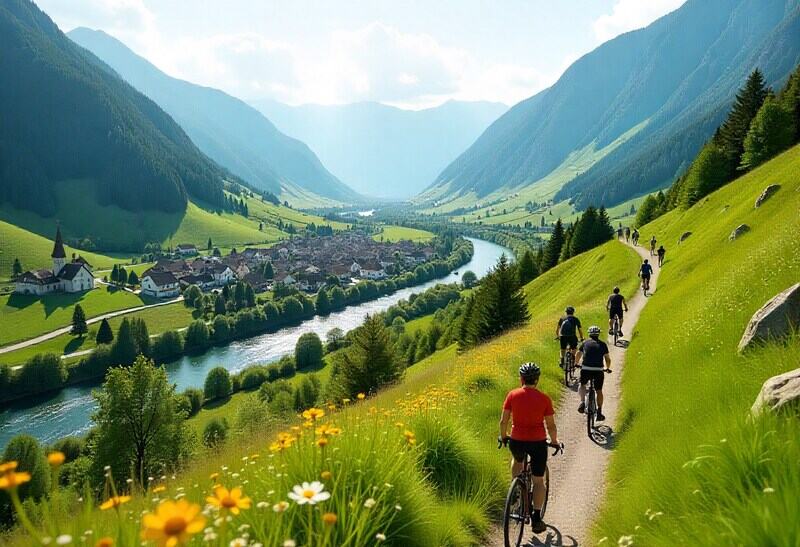
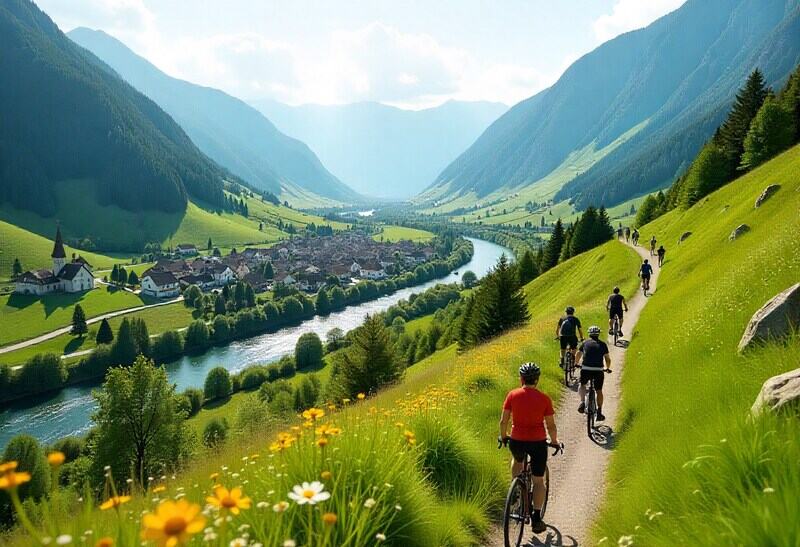
Germany, along with France, the Netherlands, Italy, Spain, the UK, and other European nations, is playing a pivotal role in the Active Tourism Coalition, aiming to reshape the future of Europe’s travel industry. By embracing cycling, walking, and hiking as central to their tourism strategies, these countries are promoting a sustainable, low-impact approach to tourism. Their leadership reflects a shared vision of enhancing regional development, reducing the environmental footprint of mass tourism, and positioning Europe as a hub for responsible travel. This collective effort not only elevates active tourism but also helps address over-tourism, making it a cornerstone of Europe’s long-term sustainable travel goals.
The Active Tourism Coalition has officially launched, bringing together 15 civil society and industry organizations with a call for European institutions to recognize active tourism as a strategic pillar for sustainable, competitive, and resilient tourism. Led by the European Cyclists’ Federation, this new coalition aims to position cycling, walking, and hiking as core components of Europe’s tourism strategies, focusing on Germany, France, Netherlands, Italy, Spain, UK, and more to amplify the growth and benefits of active tourism across the continent.
The Rise of Active Tourism in Europe
Active tourism has experienced substantial growth in recent years, particularly in Germany, France, the Netherlands, and Italy, where cycling and hiking are already deeply embedded in the local culture. This form of tourism is defined as accessible physical activity linked to mobility, recreation, and leisure, offering travelers the chance to explore destinations while minimizing their environmental impact.
Germany, for instance, is renowned for its expansive cycling networks, such as the EuroVelo routes and its famous Bikeline cycle guides, making it one of Europe’s most popular destinations for cycle tourism. Likewise, the Netherlands, a country known for its bicycle-friendly infrastructure, continues to lead the way in promoting cycling as a sustainable travel option.
Active tourism is now becoming a central part of the tourism strategy in France, where scenic walking paths like the GR routes draw thousands of adventurers each year. Similarly, in Italy, a country famous for its long-distance cycling routes, active tourism continues to expand with initiatives like the Ciclovia del Sole (the Italian cycling route) and Cammino di San Francesco (a famous walking route). Spain is following suit, with projects like the Camino de Santiago attracting pilgrims and adventurers from around the world, reinforcing Spain’s commitment to sustainable tourism.
These countries have long been champions of active tourism, with France and Germany leading the charge. Both nations are setting ambitious goals to make active tourism a key pillar in their broader tourism strategies.
Economic Impact and Growth Potential Across Europe
The economic significance of active tourism is undeniable. Cycling tourism alone generates an estimated 44 billion euros annually in Europe as of 2012, with Germany, France, Italy, and the Netherlands accounting for a significant share of this revenue. In countries like Italy and Spain, the integration of cycling and hiking into tourism has already proven to be a major economic driver, helping to boost tourism numbers and support regional economies.
Globally, the adventure travel market is projected to be worth trillions by 2025, and countries like the UK, Netherlands, and Spain are expected to benefit significantly from this growth. The coalition’s efforts will not only enhance the economic value of active tourism in these countries but also encourage other European nations to take a more active role in promoting this sustainable travel model.
Despite this growth, the coalition argues that active tourism remains underrepresented in European tourism strategies. There is a pressing need for European institutions to formally recognize active tourism as a core element of Brand Europe and the European Sustainable Tourism Strategy.
Four Key Policy Areas to Support Active Tourism
The Active Tourism Coalition has outlined four critical policy areas designed to integrate active tourism into Europe’s sustainable tourism framework. These areas are of particular importance to Germany, France, Italy, and other countries that are already pioneering in the sector.
Formal Recognition and Integration: The coalition is advocating for the formal recognition of active tourism as a key part of sustainable tourism policies. In Germany, for instance, active tourism is already integrated into regional planning, but a more coordinated European approach is needed to drive further growth.Destination Mobility and Multimodal Transport Planning: Effective mobility strategies are crucial for ensuring that tourists can seamlessly access active tourism destinations. The Netherlands and Germany have already implemented integrated transport systems for cyclists, which other European nations can replicate. Last-mile solutions that allow tourists to easily transition between public transport and active tourism routes will further enhance the sector.Brand Europe Leadership: Strengthening Brand Europe through active tourism initiatives will highlight Europe’s natural and cultural heritage. Countries like France, Spain, and Italy already have long-distance walking paths and cycling routes that connect multiple regions, and these could be further developed into cross-border tourism products that attract visitors from around the world.Integrated Governance and Investment: Integrated governance is key to ensuring that active tourism development benefits both local communities and the environment. Spain, Italy, and Germany have demonstrated strong leadership in fostering collaboration among destination management organizations, tourism operators, and local authorities. The coalition calls for greater investment in active tourism projects, such as cycling trails, hiking paths, and cross-border active tourism products, which will enhance the EU’s competitiveness in the global tourism market.Collaborative Efforts Across Europe’s Tourism Landscape
Europe’s success in promoting active tourism will rely on cross-border cooperation. The EuroVelo network, which spans over 70,000 kilometers of cycling routes across Europe, is a prime example of how countries like Germany, France, and the Netherlands can work together to create a seamless travel experience for tourists. France’s GR routes, Italy’s cycling network, and Spain’s Camino de Santiago are also integral parts of Europe’s active tourism offerings.
Governments, tourism bodies, and local communities across these countries must work together to ensure that active tourism is developed sustainably. This includes investing in high-quality infrastructure, such as eco-friendly accommodation, transportation options, and local services that support the needs of active travelers.
The Future of Active Tourism in Europe
The Active Tourism Coalition is positioning itself to lead the charge in making Europe a global leader in sustainable and active travel. Countries like Germany, France, the Netherlands, Spain, and Italy are at the forefront of this movement, setting examples for others to follow. The coalition’s vision is for Europe’s tourism sector to not only remain competitive but also to embrace sustainability and balance the economic benefits of tourism with the preservation of the continent’s natural and cultural assets.
By promoting cycling routes, walking trails, and eco-friendly travel options, Europe can enhance its appeal to eco-conscious travelers while simultaneously reducing the environmental impact of traditional mass tourism. The active tourism sector has the potential to create resilient and inclusive growth across the continent, benefiting both tourists and local communities.
Germany, along with France, the Netherlands, Italy, Spain, the UK, and more, has joined the Active Tourism Coalition to drive Europe’s sustainable travel future by promoting eco-friendly activities like cycling and hiking, reducing environmental impact while fostering regional development. This collective effort places active tourism at the heart of Europe’s strategy to offer low-impact travel and combat over-tourism.
In conclusion, the Active Tourism Coalition is paving the way for a more sustainable, resilient, and competitive tourism sector across Europe. Through its focus on cycling, walking, and hiking, and its commitment to policy integration, cross-border collaboration, and targeted investment, the coalition is helping to ensure that Europe remains a top destination for active travelers, while contributing to the global sustainability movement.
