Published on
January 22, 2026
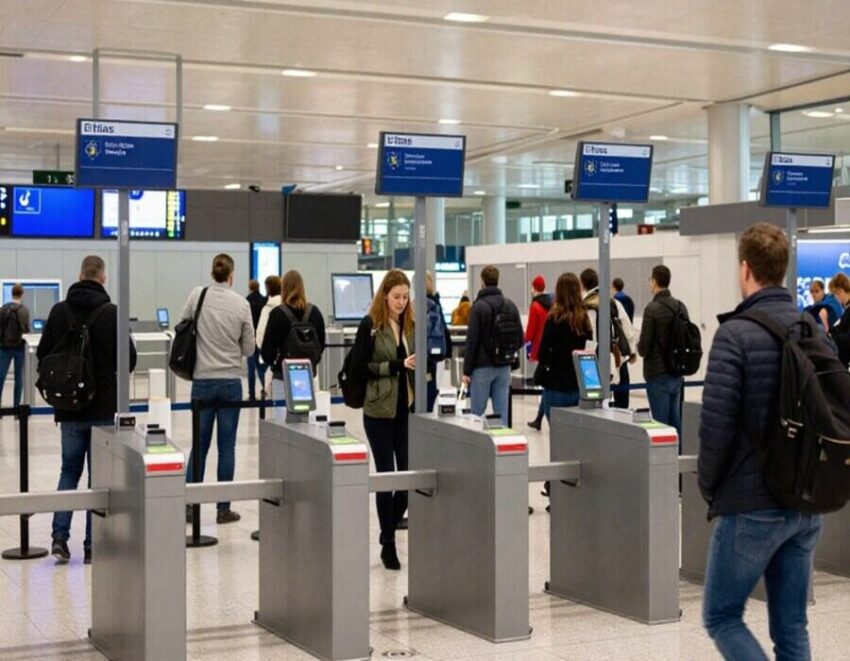
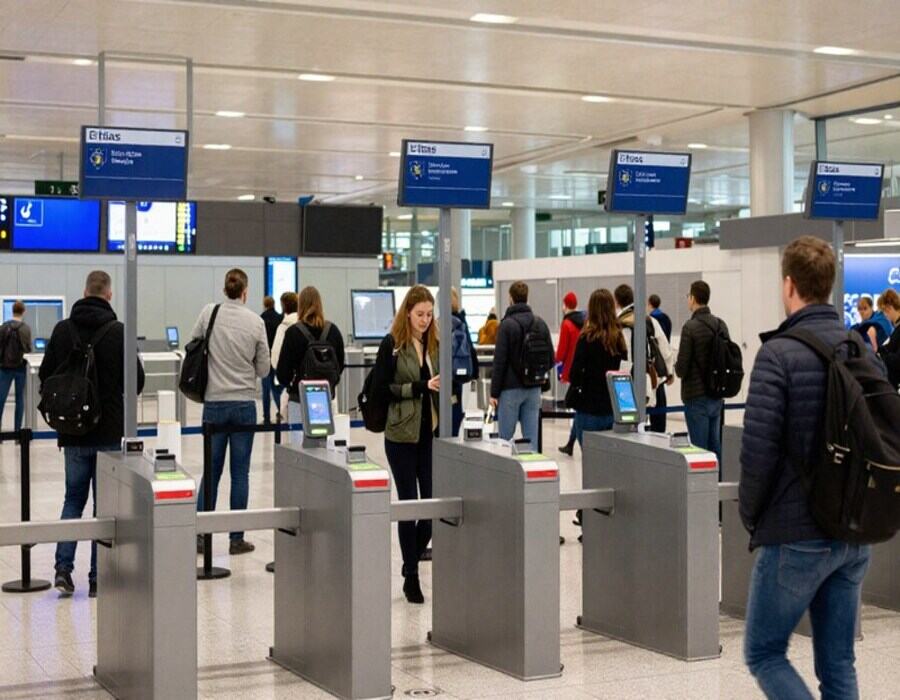
Austria, Belgium, Bulgaria, Croatia, Cyprus, Czech Republic, Denmark, Estonia, and Finland are at the forefront of a significant shift in European travel, as they introduce ETIAS, a groundbreaking system designed to enhance border security and streamline travel across 30 of Europe’s most sought-after destinations. This new system, set to roll out in late 2026, will impact travelers from visa-exempt countries, including the UK, requiring them to obtain travel authorization before entering these countries. By implementing ETIAS, these nations aim to improve safety, modernize border checks, and identify potential risks before travelers arrive, ensuring a more secure and efficient travel experience for all.
Starting in late 2026, British travelers will face a new mandatory travel fee when visiting much of Europe. The European Union is introducing the European Travel Information and Authorisation System (ETIAS), which will require a €20 (around £17) fee for entry into 30 European countries, including popular destinations such as France, Spain, Italy, Germany, and Greece.
What Is ETIAS and Why Is Europe Introducing It?
ETIAS is a new travel authorization system designed to bolster border security across the Schengen Area. While it functions similarly to a visa waiver, it is not a traditional visa. It will be compulsory for travelers from visa-exempt countries, including the UK, when visiting for short stays of up to 90 days within a 180-day period.
This system comes on the heels of the EU’s Entry/Exit System (EES), which will capture biometric data like fingerprints and facial scans at external EU borders. Together, ETIAS and EES aim to modernize border checks, enhance security, and identify potential risks before travelers even arrive in Europe.
Advertisement
Advertisement
How Much Will UK Tourists Have to Pay?
UK passport holders will be required to pay a €20 fee when applying for ETIAS. This is an increase from the originally anticipated €7 charge, reflecting the costs associated with the development and maintenance of the system. The fee will be paid online during the application process and will fund digital infrastructure, security screening, and processing operations. The EU has indicated that this fee may be revised in the future, depending on operational costs.
How Long Will ETIAS Be Valid?
Once approved, the ETIAS authorization will be electronically linked to the traveler’s passport. The validity of the authorization lasts for up to three years or until the passport expires, whichever comes first. The authorization can be used for multiple trips within that period. If the traveler renews or changes their passport, a new ETIAS application will be required.
Who Is Exempt from the ETIAS Fee?
While most travelers will need to pay the €20 fee, there are certain exemptions:
Children under 18Adults over 70Family members of EU citizensFamily members of non-EU nationals with EU free-movement rights
Exempt travelers may still need to apply for authorization, even though they won’t be charged the fee.
Which European Countries Will Require ETIAS?
The ETIAS requirement will apply to travel across the Schengen Zone and associated countries, covering 30 destinations including Austria, Belgium, Bulgaria, Croatia, Cyprus, Czech Republic, Denmark, Estonia, Finland, France, Germany, Greece, Hungary, Iceland, Italy, Latvia, Liechtenstein, Lithuania, Luxembourg, Malta, Netherlands, Norway, Poland, Portugal, Romania, Slovakia, Slovenia, Spain, Sweden, and Switzerland.
These destinations are some of Europe’s most popular spots for UK tourists, encompassing a wide range of vacations from city breaks to beach holidays, ski trips, and cultural explorations.
What Does This Mean for UK Travelers?
For years, British tourists have enjoyed visa-free access to many European countries. The introduction of ETIAS adds a new step to travel planning but is not expected to be overly complicated. The application process is expected to be quick, fully online, and typically processed in a short time frame.
While the €20 charge may seem like an added inconvenience, EU officials argue that the system will ultimately lead to smoother border crossings, more thorough security checks, and safer travel across Europe.
When Will ETIAS Come Into Force?
ETIAS is set to become operational in the final quarter of 2026, although the exact launch date is still to be confirmed. Travelers planning to visit Europe during this period should stay informed about official announcements and ensure that their travel documents are in order.
Austria, Belgium, Bulgaria, Croatia, Cyprus, Czech Republic, Denmark, Estonia, and Finland are leading the way with ETIAS, a new system set to enhance security and streamline travel across 30 European countries. Starting in late 2026, travelers will need to obtain authorization, ensuring a safer and more efficient journey.
Bottom Line
Beginning in late 2026, UK travelers will need to factor in a €20 ETIAS fee when heading to 30 European countries, including iconic destinations like France, Spain, Italy, Germany, and Greece. While this marks a significant change to post-Brexit travel regulations, ETIAS is designed to enhance both convenience and security.
For those planning a European getaway in 2026 and beyond, ensuring that you’re prepared and up to date with the new requirements will help ensure a smooth and hassle-free trip.
