“You have to be a little flexible on Hyde.”
With those words to congressional Republicans earlier this month, President Donald Trump implied his endorsement of federal funding for abortion, finally crossing a red line for some in the pro-life movement. Never mind that during his 2024 presidential campaign he vowed to be “great for women and their reproductive rights.”
His administration then followed through by refusing to support attempts by state attorneys general to roll back Biden-era policies allowing the abortion drug mifepristone to be prescribed through telehealth and delivered by mail. Such access essentially facilitates circumvention of any state regulation of abortion. In addition, this fall the FDA quietly approved a generic version of the abortion drug.
On the other side, of course, Democrats have shown no signs of backing off of their steadfast promotion of abortion on demand.
This puts the pro-life movement in a very tough spot, politically.
After Roe v. Wade was overturned in 2022, the movement had no plan for what to do next. Pro-life sentiment waned and states expanded abortion access. The number of abortions increased. Then Trump turned.
So what would be the best response for pro-life leaders now?
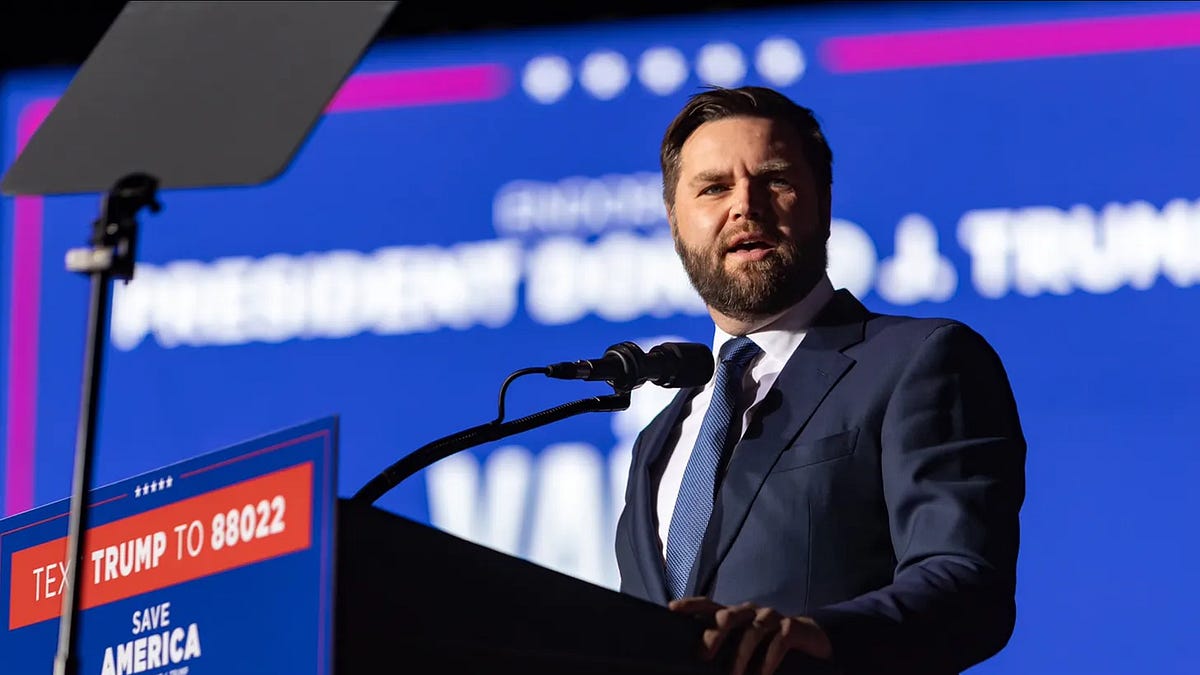
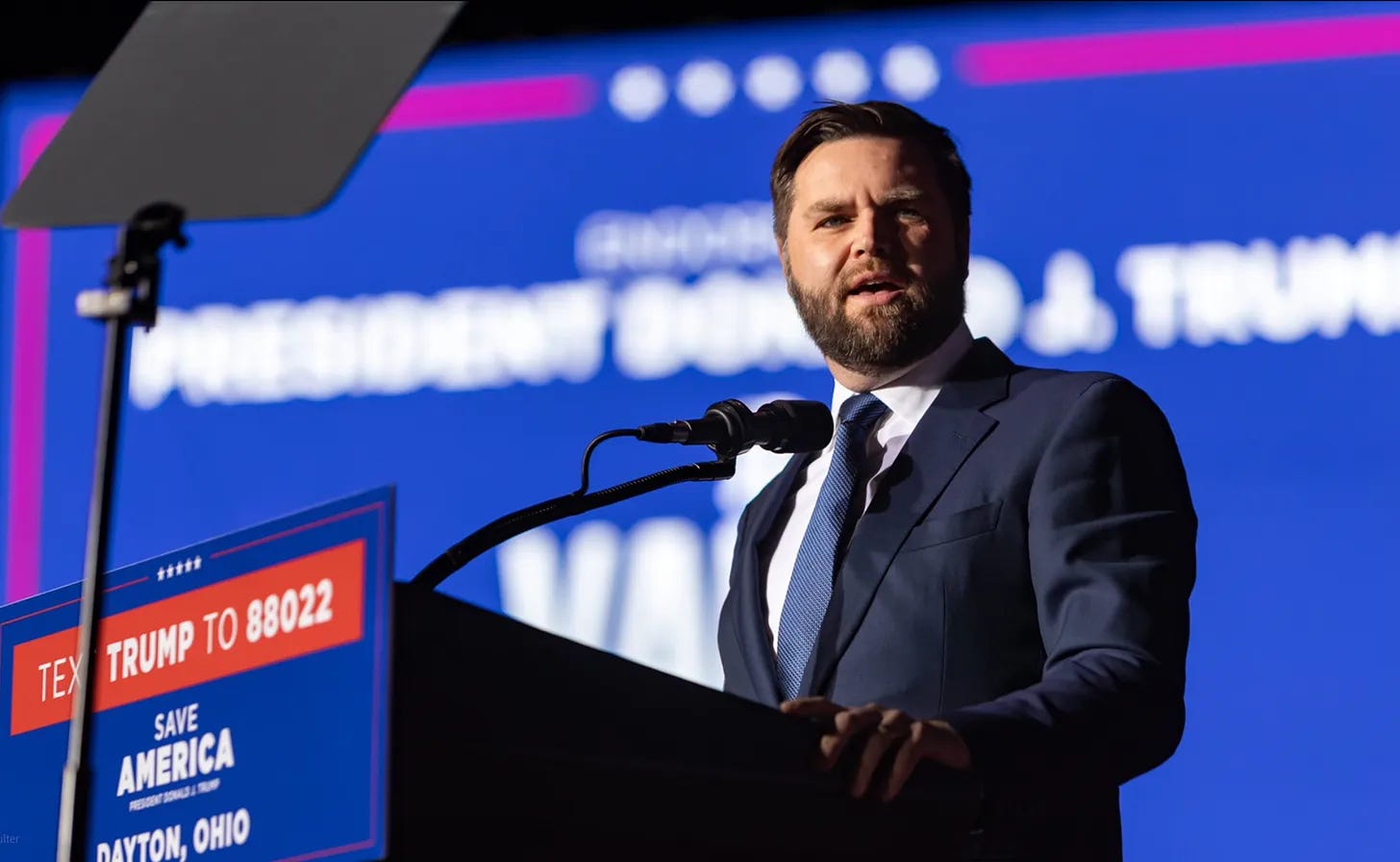
Begin with the old adage: “When you find yourself in a hole, stop digging.” Unfortunately, honoring Vice President J.D. Vance as the keynote speaker at the March for Life digs the political pit deeper. Vance has not been a pro-life hero. The problem is not just his role in this administration, but his stated support for mifepristone accessibility during the 2024 campaign.
The pro-life movement has clearly lost influence in the Trump Administration. Its remaining political power lies in its voice of moral authority and its dedicated activists and voters. This potential will be evident when tens of thousands of devoted pro-life supporters attend the march this Friday.
The event’s purpose is to educate and inspire attendees to action to advance the cause of protecting the unborn and their mothers. Unfortunately, honoring Vice President Vance as an exemplar of what it means to be pro-life will not do this.
The primary purpose of Vance’s speech will be to promote his political aspirations by communicating the message that he and the president have been unflinching defenders of life, ignoring their aforementioned statements and actions.
This will not serve the march or the movement well.
First, many will mistakenly take away from the rally that being pro-life first-and-foremost means supporting J.D. Vance and Donald Trump no matter what they do.
Case in point, in January 2020 I was two months away from the primary election which ended my tenure in Congress as one of the last pro-life Democrats. Despite being in the middle of an onslaught of millions of dollars of ads from pro-choice groups, I attended the March for Life in Chicago. At the march, I was berated by multiple attendees saying, “You are not pro-life because you voted to impeach Trump.” Despite 16 years of votes defending the unborn, my pro-life bona fides were being judged solely on my support for President Trump.
Second, and even more damaging, some rally attendees may hear Vance or Trump declare elsewhere support for access to mifepristone and believe that that position must be “pro-life,” or in some way compatible with being pro-life.
Such is what can happen when a movement crowns questionable heroes.
But there is one way that the vice president’s appearance at the March for Life could still be utilized to advance the movement’s goals.
In 1988, as March for Life founder Nellie Gray was introducing President Ronald Reagan prior to his speech via telephone, she did something courageous. Before she let Reagan speak, she called him out for signing a bill which provided funding for abortions in the District of Columbia. She was not rude, but she publicly delivered a very direct message: it’s great to hear your words, but you must do better on policy.
Nellie Gray – along with the movement – would not offer unconditional praise to a politician, not even to President Reagan.
If the pro-life movement wants to regain power in the political arena, they must once again be willing to deliver that tough message.
Daniel Lipinski was a Member of Congress from 2005-2021, and is Distinguished Visiting Fellow at the Hoover Institution at Stanford University and Pope Leo XIII Fellow on Social Thought, University of Dallas.