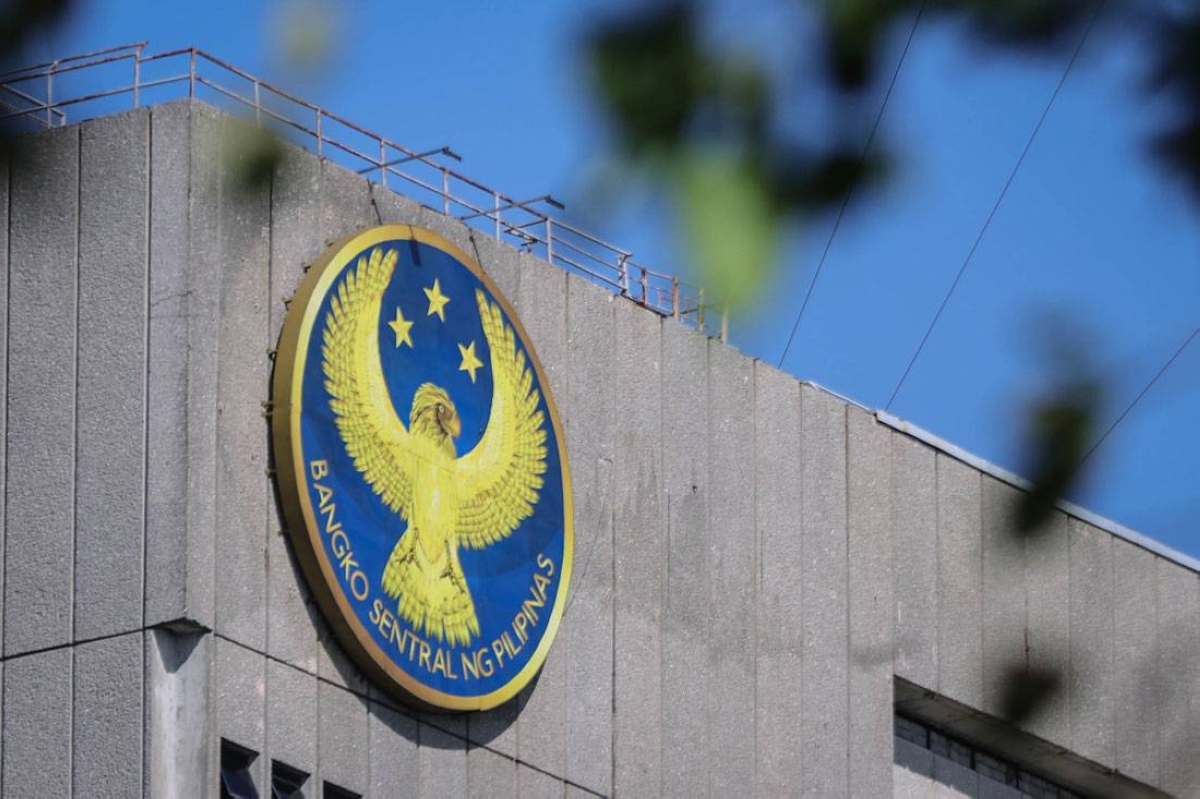
GEOPOLITICAL tensions continue to reduce trade and investment flows among members of the Regional Comprehensive Economic Partnership (RCEP), despite the bloc’s goal of deepening economic integration, according to a new discussion paper released by the Bangko Sentral ng Pilipinas (BSP).
In the paper titled “How Does Geopolitics Influence Trade and Investment among Member Countries of the RCEP?” BSP researchers Hazel Parcon-Santos and Jose Adlai Tancangco said political and ideological differences among RCEP countries have a measurable negative impact on exports and cross-border investments, even within one of the world’s most economically connected regions.
The RCEP — which covers 10 Asean members plus China, Japan, South Korea, Australia, and New Zealand — accounted for 28 percent of global GDP and 26 percent of world exports as of end-2023.
The agreement, which began in 2022, sought to harmonize trade rules, lower barriers, and encourage investment across the Asia-Pacific region.
However, the BSP study found that economic cooperation alone is not enough to fully shield countries from geopolitical frictions.
“Even within a cooperative bloc, geopolitical tensions can significantly disrupt economic activity,” the authors said, noting that rising political differences tend to reduce both trade and investment among RCEP members.
Using bilateral data from 2010 to 2023, the study examined how geopolitical distance — measured through differences in United Nations General Assembly voting patterns — affects goods trade, services trade, portfolio investments, and foreign direct investment (FDI). The researchers applied an augmented gravity model, a standard tool in international economics, to assess these relationships.
“Trade appears more resilient to geopolitical frictions than cross-border investments,” the researchers said, adding that “portfolio investments are more sensitive than direct investments.”
While higher geopolitical distance is associated with lower exports, the impact is stronger and more consistent in stocks and bonds, the study showed.
Portfolio investments react more sharply because they are easier to withdraw and more exposed to sudden changes in risk sentiment, said the study. In contrast, direct investments, which involve long-term commitments such as factories and physical assets, tend to be more stable but are still negatively affected by rising geopolitical tensions.
Not always immediate
The paper likewise said that the negative effects of geopolitics are not always immediate. At lower levels of political divergence, trade and investment flows may continue with little disruption. But once geopolitical tensions exceed a certain threshold, the impact becomes more pronounced.
For goods trade, RCEP country pairs, with geopolitical distance above the global average, export significantly less to each other. The authors estimated that such country pairs export 16-percent fewer goods compared to those with lower geopolitical distance.
Services trade, however, appeared more resilient. The researchers attributed this to the nature of services, which are less exposed to tariffs and physical trade barriers and increasingly delivered digitally.
Still, they cautioned that some services, such as tourism, remain vulnerable to diplomatic tensions and mobility restrictions.
The study highlighted the role of free trade agreements in cushioning the impact of geopolitics. Existing bilateral FTAs within the RCEP framework help offset some of the negative effects of political differences, allowing countries to maintain trade links despite rising tensions.
Within the RCEP, Asean countries were said to be generally more geopolitically aligned with each other compared to their ties with non-Asean members. This makes Asean a relatively cohesive core of the bloc, both economically and politically, said the study.
Nonetheless, the authors warned that persistent or escalating geopolitical tensions could gradually weaken regional integration if left unmanaged.
By focusing on a group of countries that are already economically interconnected, the BSP study adds to the growing evidence that geopolitics is becoming a key factor in shaping global trade and investment patterns.
The findings suggest that for RCEP members, sustaining economic integration will require not only trade liberalization but also careful management of geopolitical risks.
“To fully realize the agreement’s potential, disputes must be contained before they escalate and disrupt trade or investment,” the researchers said.
“Such efforts are essential to strengthening the region’s resilience to geopolitical shocks and advancing RCEP’s objectives of deeper integration and sustainable regional development,” they added.