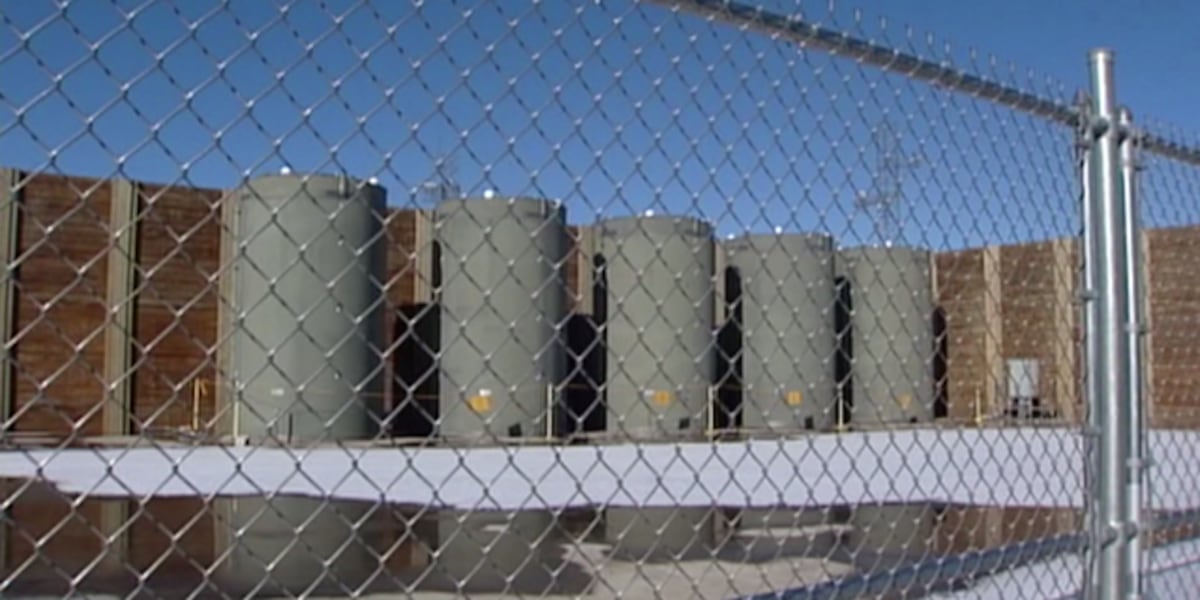
MONTPELIER, Vt. (WCAX) – Gov. Phil Scott is asking lawmakers to take a second look at nuclear energy as Vermont works to meet its renewable electricity goals by 2030.
“Previous policy decisions made in this building prioritize ideology over results,” Scott said in his budget address this week.
Under the Renewable Energy Standard, which the Legislature passed over Scott’s veto, Vermont must source all electricity from renewable sources by 2030. Scott wants lawmakers to consider nuclear as part of that equation.
Despite Vermont Yankee closing about 15 years ago, Vermont utilities source about 20% of the state’s power portfolio from out-of-state nuclear plants.
The Scott administration says that with rising cost pressures, they want to reclassify nuclear and save ratepayers about $5 million annually.
“We view it as something that reflects the urgency of energy affordability and effectively serves as a down payment for bigger things to come,” Vt. Public Service Commissioner Kerrick Johnson said.
The American power picture is undergoing a transformation. The country is using more power than ever to heat homes, charge cars and fuel artificial intelligence.
But some state lawmakers remain cautious about using nuclear power.
“I think nuclear power is something Vermonters are concerned about, and I’d want to know how much money are we saving, and is it worth it,” said Rep. Kathleen James, D-Manchester.
Nuclear has a long history in Vermont with the Vermont Yankee plant in Vernon. Vermont was a hotbed of the anti-nuclear movement dating back to the 1970s, after Three Mile Island and questions about how to dispose of radioactive spent fuel rods.
The Vermont Public Interest Research Group, which got its start during that era, remains opposed to nuclear power.
“This is absolutely counter to what we as a state should be doing to not only make energy more affordable, but also address problems like a warming climate and the issues we see from that,” said Paul Burns, the executive director of the Vermont Public Interest Research Group.
Even within the environmental community, opinions are split on whether nuclear is considered clean energy.
The nuclear discussions come as Vermont’s power picture remains fluid.
The Scott administration says there have been big changes to solar and wind subsidies from Washington, and political tensions with Canada could affect Vermont’s supply of hydroelectricity when utility contracts are up for renegotiation in six years.
“The longer game is what can we do to encourage, develop and nurture additional energy supply options for Vermont and the region,” Johnson said.
The closure of Vermont Yankee in Vernon gave the Legislature the ability to approve or deny new nuclear plants. The proposed bill would repeal that power.
Copyright 2026 WCAX. All rights reserved.