Published on
January 23, 2026
By: Tuhin Sarkar
 United Kingdom Joins Germany Croatia Italy Spain Portugal Malta and More Countries Exploring in Astro Tourism Luxury Travel Blue Economy News Update is Here
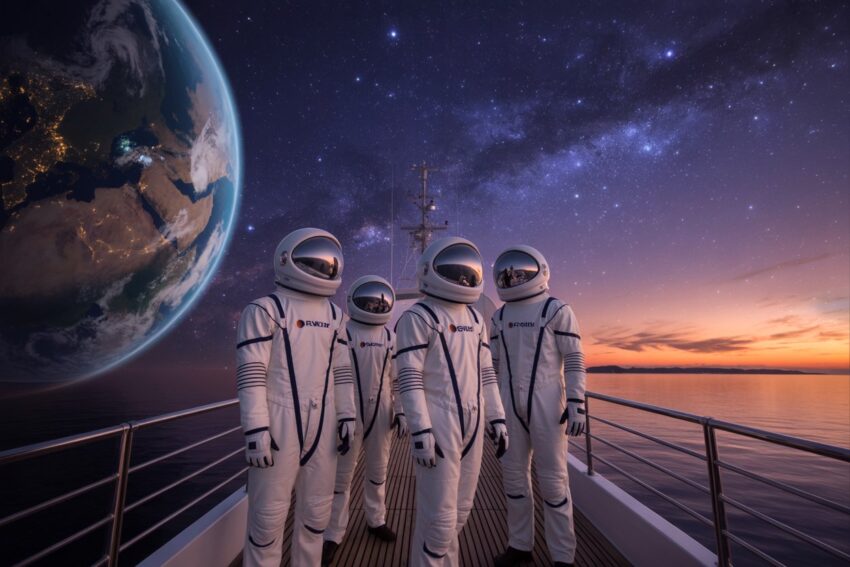
The United Kingdom has officially joined a growing list of European nations, including Germany, Croatia, Italy, Spain, Portugal, and Malta, in exploring the thrilling realms of astro tourism, luxury travel, and the burgeoning blue economy. As these countries harness the power of space tourism, marine innovations, and high-end luxury experiences, the UK is stepping up its game in what promises to be a major boost for the travel industry. This collaboration is not just a trend—it’s a revolution that brings new opportunities for travelers seeking extraordinary experiences.
Astro tourism is rapidly gaining momentum, and now, with the UK joining Germany, Croatia, Italy, Spain, Portugal, and Malta, the possibilities are expanding. These countries are embracing the lucrative opportunities within the luxury travel sector, positioning themselves as prime destinations for those looking for a one-of-a-kind adventure.
Meanwhile, the blue economy continues to grow, offering stunning coastal experiences and sustainable marine ventures. The combination of these sectors is setting the stage for an exciting future in travel, with the UK firmly placed at the heart of these thrilling developments. Don’t miss out—keep reading to discover how the UK is capitalizing on this global trend and what it means for the future of luxury and astro tourism!
The world is changing, and the travel landscape of 2026 is unrecognizable compared to just a few years ago. From the surge of Astro-tourism to the sudden economic barriers in the UK, we are witnessing a pivot toward intentional, high-value, and nature-centric exploration. This is your definitive landing page for the most critical travel shifts of the year.
 Alabama Joins Ohio North Carolina Kansas Nebraska Washington and More US States to Prepare for Super Cosmic Northern Light Show Turbocharging Astro Tourism in America Full Guide on Aurora Borealis Visibility
The Celestial Gold Rush: Astro-Tourism Reaches Critical Mass
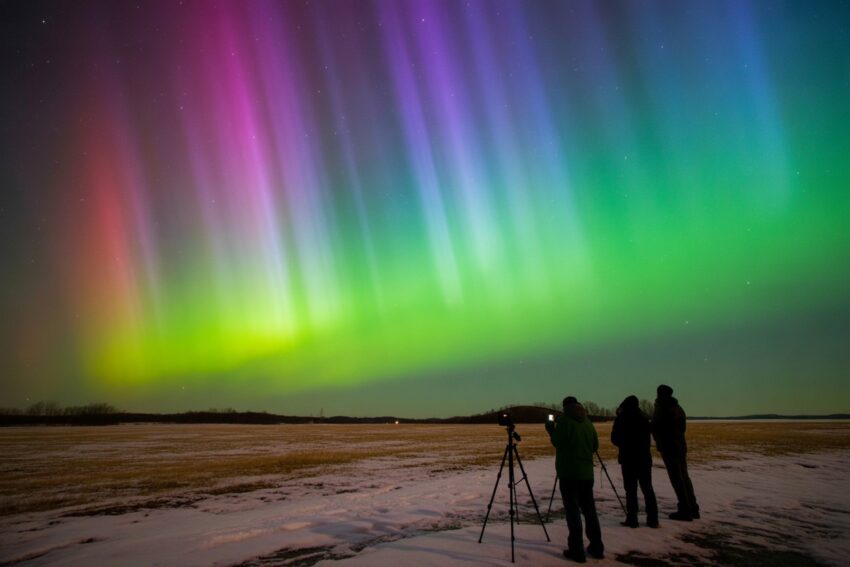
The year 2026 marks the official explosion of Astro-tourism, a movement where travelers are trading neon city lights for the ancient glow of meteor storms and total solar eclipses. This isn’t just about looking up; it’s about a global push for eco-friendly “dark sky” trips that minimize light pollution and preserve our view of the cosmos.
Leading this charge is Serydda, a pioneering venture revolutionizing the dark-sky experience in Mid Wales. By blending night photography with the meditative practice of “star-bathing,” Serydda is proving that rural economies can thrive on the preservation of darkness. Travelers are flocking to these remote corridors to reconnect with a universe they’ve long forgotten, making the night sky 2026’s most coveted luxury.
European Mobility: Seamless Islands and Independent Hubs
Navigating the rugged beauty of Madeira has never been easier thanks to the new SIGA pre-purchased ticketing system. This initiative eliminates the friction of island transport, allowing visitors to hop between coastal vistas and mountain trails with unified digital access.
Meanwhile, in the heart of Germany, the MOA Hotel Berlin has sent shockwaves through the industry by becoming a fully independent brand. By breaking away from franchise chains, this hybrid urban hub is redefining the “MICE” (Meetings, Incentives, Conferences, and Exhibitions) sector, offering a flexible, localized experience that corporate travelers are now demanding. This shift toward independence signals a broader trend: the era of the “cookie-cutter” hotel chain is being eclipsed by bespoke, agile hospitality.
The Return of Sacred Spectacle and Rural Renaissance
Cultural travelers are circling 2027 on their calendars as Central Holidays unveils exclusive programs for Italy’s Passion of Christ in Sordevolo. This once-every-five-years event transforms an entire village into a living stage, a tradition that competes with the world’s most grand theatrical displays.
On the industry side, ITB Berlin 2026 has named Airbnb as a Premium Partner, a move that underscores the unstoppable growth of rural development. Airbnb’s co-founder Nathan Blecharczyk is highlighting how nature-based tourism is redistributing wealth from overcrowded cities to forgotten villages, effectively using travel as a tool for environmental and community restoration across Europe.
Untamed Luxury: Scotland, Croatia, and the Blue Economy
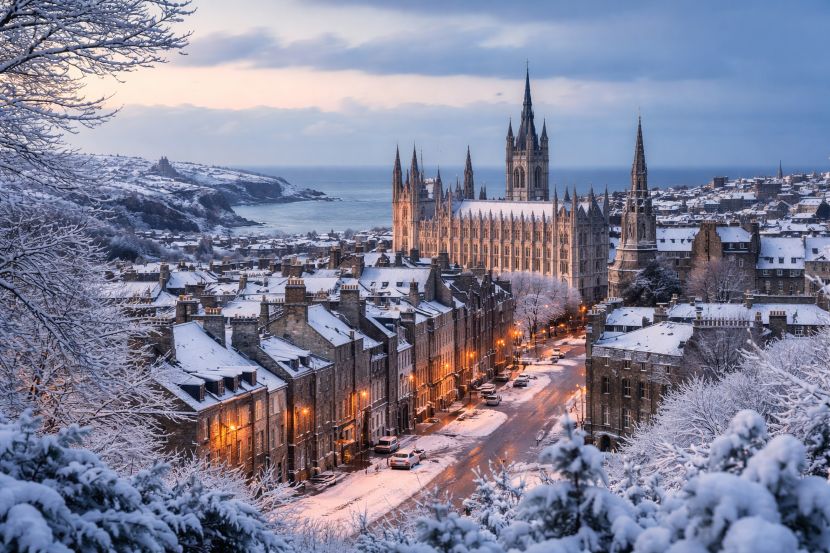
For those who seek total isolation, Wildland Hope in Sutherland is 2026’s ultimate wilderness retreat. This conservation-led lodge offers a raw, Scottish Highland experience that balances “untamed luxury” with deep ecological respect. If the rugged coast isn’t your speed, Cavtat remains Croatia’s best-kept secret, offering a tranquil alternative to the over-touristed streets of Dubrovnik.
Simultaneously, the island of Lanzarote is pivoting toward “Blue Tourism”, focusing on high-value cruise travel and marine preservation. By prioritizing the health of the ocean, Lanzarote is attracting a more conscious traveler, proving that sustainability and high-end tourism are now inseparable.
The Economic Squeeze: UK Fees and Malta’s Meteoric Rise
It’s not all stargazing and luxury; the financial reality of travel is biting hard. The UK is facing a potential crisis as rising visa and ETA fees threaten to stifle tourism. Industry experts warn that these costs could drive global travelers to competitors who prioritize effective communication and personalization to build trust.
One such competitor is Malta, currently the Mediterranean’s fastest-growing destination. With a booming economy and a strategic focus on luxury wellness, Malta is outperforming its neighbors by offering value that transcends the “sun and sea” cliché. For those who prefer slow travel with a view, the 2026 river cruise fleet is launching fresh routes that bypass crowded ports for intimate, cultural deep-dives into the heart of the continent.
