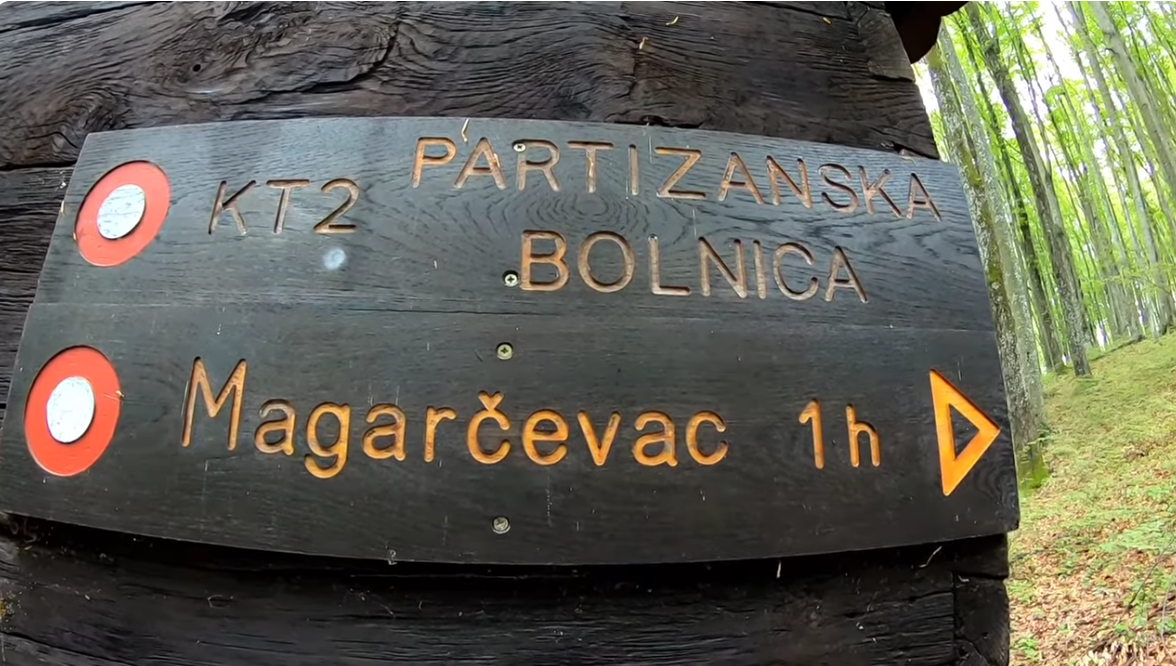
January the 23rd, 2026 – There’s an abandoned Croatian hospital hidden in the middle of a dense forest that was in operation for just three years. Here is its bizarre story.
As Putni kofer writes, among the countless Croatian mountains and hills, Petrova Gora certainly doesn’t find itself among the most famous. It is of course loved by people who live nearby and explored by hikers eager for new landscapes, but it isn’t widely known and visited by many people. It’s a shame, because it is home to gentle trails, easier climbs, and incredible remains of recent history that have simply been left to the elements. If you’re up for an easier hike, spiced with a dose of fascinating history and a hint of mysticism, then plan a trip to Petrova Gora.
the secret world war II hospital that was never discovered
In addition to the widely known Monument to the Uprising of the People of Banija and Kordun, created by Vojin Bakić, the dense, old forests of Petrova Gora hide another secret from World War II. There’s an abandoned Croatian hospital sitting in the middle of a forest, and it has a dark history. This is the old Central Partisan Hospital which operated for only three years, from 1942 to 1945. It is located in an area called Pišin Gaj. Today, all that remains of it are run down, abandoned shanties and dilapidated wooden huts. Neither reveal anything about the kind of organisation that existed here a mere 80 years ago, when Croatia was being dragged from pillar to post and torn between two brutal regimes.
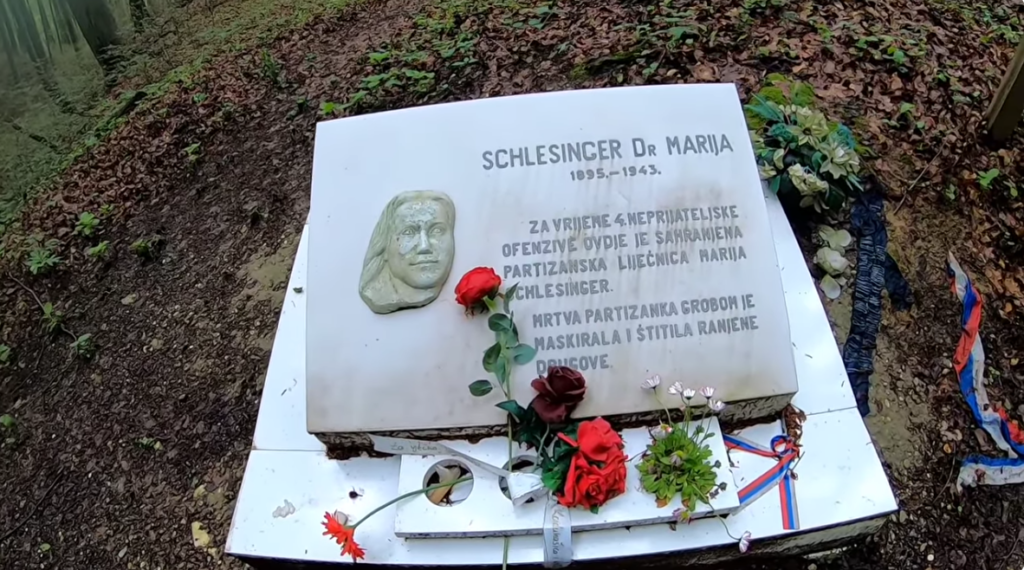
The Partisan Hospital on Petrova Gora was founded back in 1942, as World War II and all its horrors raged across continental Europe. The location was a logical choice because the thick forest, due to its inaccessibility and difficult terrain, could hide the wounded and medical workers. Indeed, this hiding place was actually never discovered. The hospital operated until 1945, when it was moved to Karlovac. In those three years, several thousand people, fighters and civilians, including women and children, passed through it – some never left.
The now abandoned Croatian hospital tucked away deep in a forest developed gradually, and its final form was achieved only in 1944, a mere year before the end of the war. At that time, it had an incredible 30 facilities: several patient rooms, operating rooms, a kitchen, a room for the staff, a laundry and shower room, a stable, a guardhouse, its own power generator, and even a printing press.
lives were risked to keep the hospital running
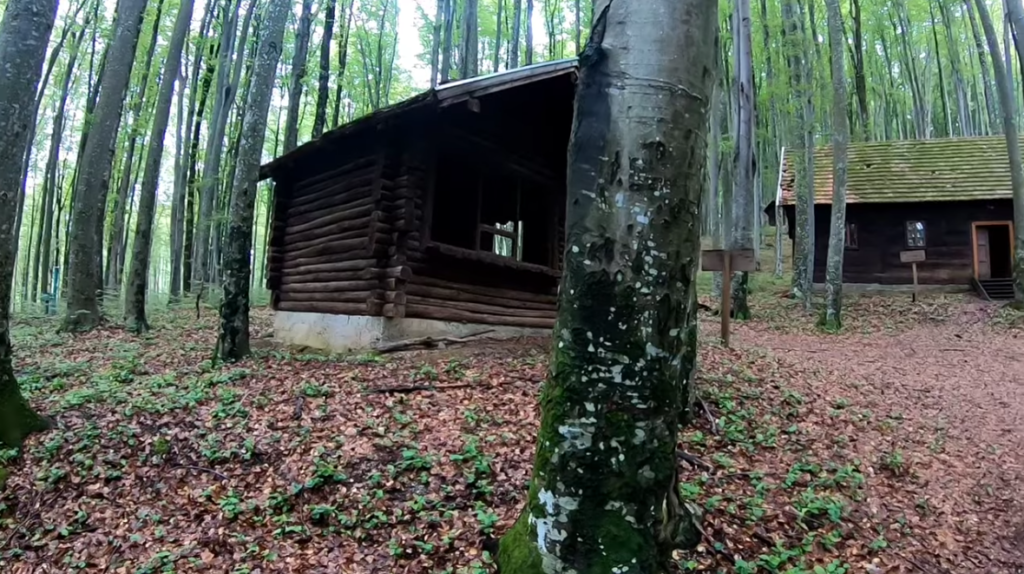
Running a hospital in the depths of a forest was of course extremely difficult. There was a shortage of medicines and medical supplies, and operations were often performed at night, using candlelight or lamps. Despite this, the hospital was staffed by fully trained doctors, nurses and orderlies who relied on their extensive knowledge, experience and improvisation. According to historical records, the local population played a key role in providing food, medicine and information, often risking their own lives to do so.
Today, almost nothing remains of all this. The former Partisan Hospital on Petrova Gora was devastated during the Homeland War in the early 1990s and its remains have been left to the forest that is slowly swallowing what’s left of them. By comparison, neighbouring Slovenia has restored its Franja forest Partisan Hospital near Cerkno and today it is visited by 250,000 tourists a year. All this goes on successfully despite theirs being incomparably smaller than the Croatian one and holding far less historical significance. The Slovenians have even nominated theirs for inclusion on the UNESCO list of World Heritage Sites in Europe. Much could be said about this being the typical Croatian way of approaching opportunities, or perhaps it’s better to say simply not doing so at all.
a wealth of history in an area few bother with
Petrova Gora is located in the expansive Karlovac County area, surrounded by the Kupa, Glina and Korana rivers, and is 25 kilometres long. It used to be called Gvozd, but after a battle with the Hungarians in which King Petar Svačić supposedly died, it was named in his honour.
It has to be said that this area isn’t for those looking for stunning viewpoints and distant views. Its highest peak, Petrovac, is 512 metres above sea level and is, as stated, located in the middle of a very dense forest. Despite this, this mountain still offers a number of interesting attractions few know about.
Not far from the highest peak are the remains of an old Pauline monastery. It’s currently assumed that it was constructed back at the end of the 13th century and abandoned in the 15th century, when the Pauline monks fled from the invading Ottomans. It was supposedly built on the remains of an old Roman fort. You will also find the King’s Grave, or Svačić’s Grave, on Petrova gora, although it is not known whether Petrova gora was actually the place where he took his last breath. In fact, it isn’t even known for certain where he was buried.
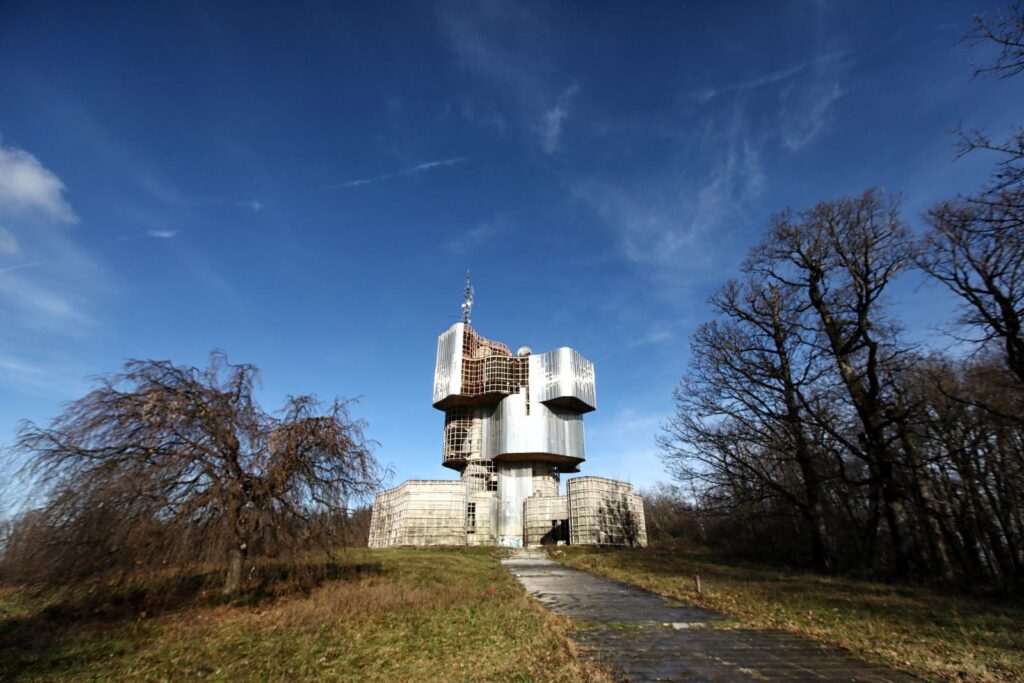
the monument to the uprising of the people of banija and kordun – an imposing ruin
 Boris Scitar/Vecernji list/PIXSELL
What attracts the eye the most on Petrova Gora is the gigantic Monument to the Uprising of the People of Banija and Kordun by sculptor Vojin Bakić. This edifice is truly enormous and somewhat unsettling. The imposing monument is a huge construction with a striking design, standing at 37 metres tall. Its construction began in mid-1980, it was completed two years later, and in the following years it turned into a popular picnic spot.
If you do decide to take a hike up Petrova Gora, the path will inevitably lead you to the starting point of hiking trails: the Muljava hunting lodge. There are several hiking trails on Petrova Gora, and the longest option lasts eight hours. It visits the most famous sites on the mountain: from the aforementioned Partisan Hospital to Mali Velebit, another of the peaks there that is 480 metres high, and all the way to Veliki and Mali Petrovac. The latter are a kind of highlight of the hiking trip, because the monumental structure dedicated to the uprising of the downtrodden local people itself and the remains of the Pauline monastery are located nearby.
Subscribe to our newsletter
the fields marked with * are required