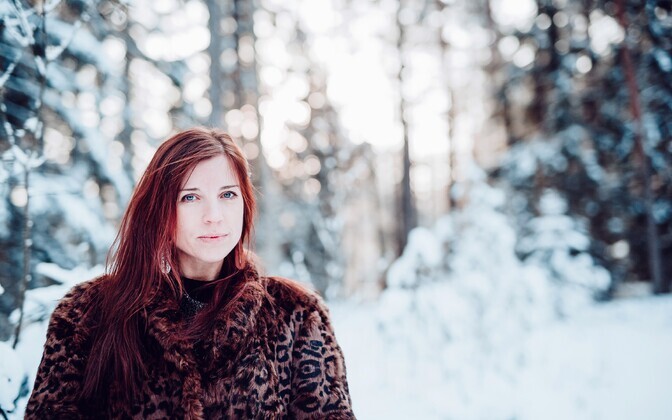
For anthropologist-filmmaker Terje Toomistu, living in the U.S. was eye-opening. Estonians abroad are the focus of a new exhibition, memoir and a documentary miniseries.
“What I study is really the new normal,” Toomistu said, referring to temporary migration among young people.
In today’s open world, she said, moving abroad to live, study or explore is common. But life sometimes has its own plans, and over time, returning home can become far less straightforward.
“Generation Beyond Borders,” Toomistu’s new six-part documentary miniseries, focuses on her own cohort, Generation Y. She described it as the first generation to fully benefit from freedom of movement within Europe, “coming of age just as the doors had opened.”
The project is linked to research conducted at the University of Tartu, including a large-scale survey examining why people move abroad as well as why many don’t come back. One major factor, Toomistu said, is economic anxiety.
“Our data shows that fear of not being able to make ends meet in Estonia is one of the main factors stopping [people] from returning,” she said.
Estonians abroad contribute differently
At the same time, the anthropologist challenges the notion that those who leave Estonia are lost to society. Estonians abroad, she said, continue to contribute in other ways, such as through investments, sharing knowledge and constantly representing Estonia abroad.
“In a sense, they are our ambassadors beyond the border,” she said.
“Generation Beyond Borders” also focuses on the emotional weight of migration.
“What it means to have two homes,” Toomistu explained. “What it means when your grandkids can’t spend time with their grandparents the way they could if they lived in Estonia. What it means to feel guilt over the fact that the Estonian state gave you a childhood and a university education, and then you left Estonia.”
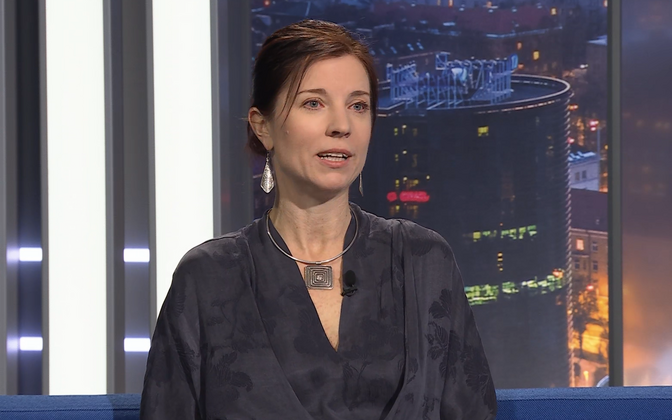 Terje Toomistu. Source: ERR
Those emotions, she said, are often intense and contradictory, which is precisely what makes the topic so compelling from an anthropological perspective.
At Vabamu Museum of Occupations and Freedom in Tallinn, Toomistu serves as one of the curators of the exhibition “Estonia Worldwide,” which opened Wednesday. Her contribution closely mirrors the themes of her miniseries.
Her interest in the subject is deeply personal. Ten years ago, Toomistu moved to San Francisco to study at the University of California, Berkeley (UC Berkeley), initially planning to stay for one year. The experience became the basis for her book “My San Francisco.”
“That was a very intense year in my life; I practically didn’t sleep,” she recalled. In a world marked with stark contrasts, she saw that the utopian promise of freedom still comes at a very steep price.
‘I can still rely on Estonia’
Surviving in the U.S. isn’t all fun and games, the filmmaker emphasized. “You have to work extremely hard, and that comes with plenty of uncertainty.”
Looking back, both the experience and the book became a story of disillusionment.
“In some ways, that utopian promise still remains, but in reality, it’s only a small step from there to dystopia,” she acknowledged.
Living in the U.S. also reshaped how she views Estonia, including the sense of security she had previously taken for granted.
“How safe I actually am in Estonia — not just physically, walking in the street, but emotionally too,” Toomistu said. “I can still rely on the state and society, which you definitely can’t living in America.”
—