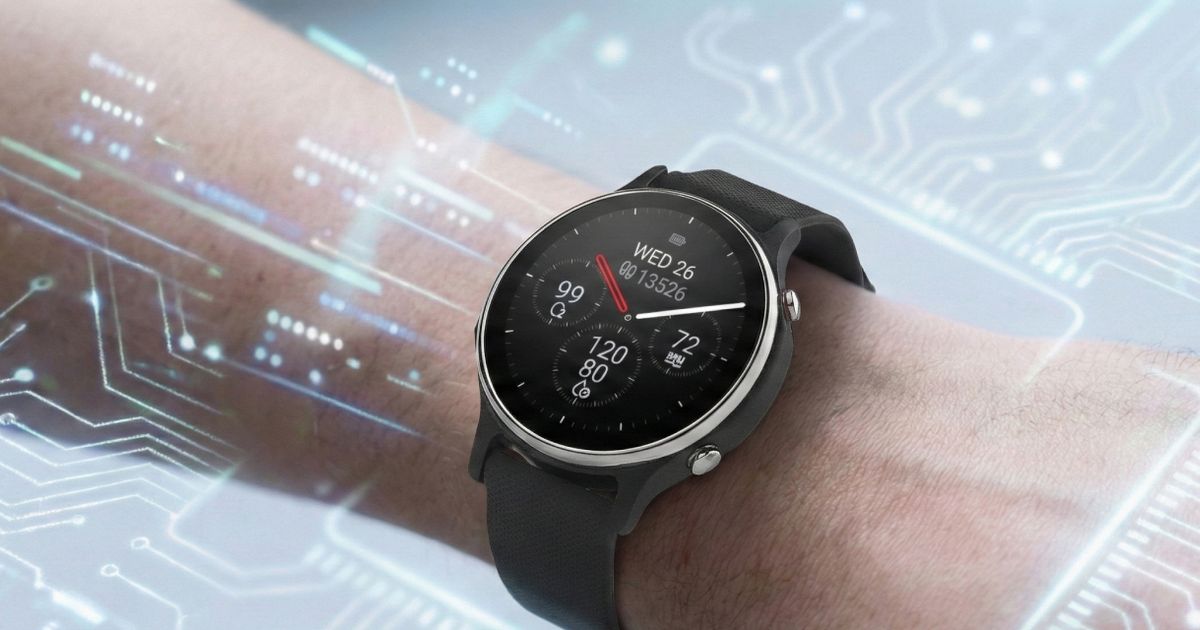
Healthcare worldwide is at a crossroads. Aging populations, chronic disease, and a global shortage of medical professionals are straining traditional systems. Artificial Intelligence offers a transformative path forward—reshaping how care is delivered, decisions are made, and resources are optimized. In this three-part series, I explore how AI is redefining healthcare: from continuous patient monitoring, to driving systemic efficiency, to building the foundations of a smart, AI-centric medical future.
In this first article, we examine how continuous physiological monitoring forms the foundation for AI-driven healthcare. By capturing real-time data through wearable technology, clinicians gain insights that enable early intervention and personalized care—critical steps toward a smarter, more proactive medical ecosystem.
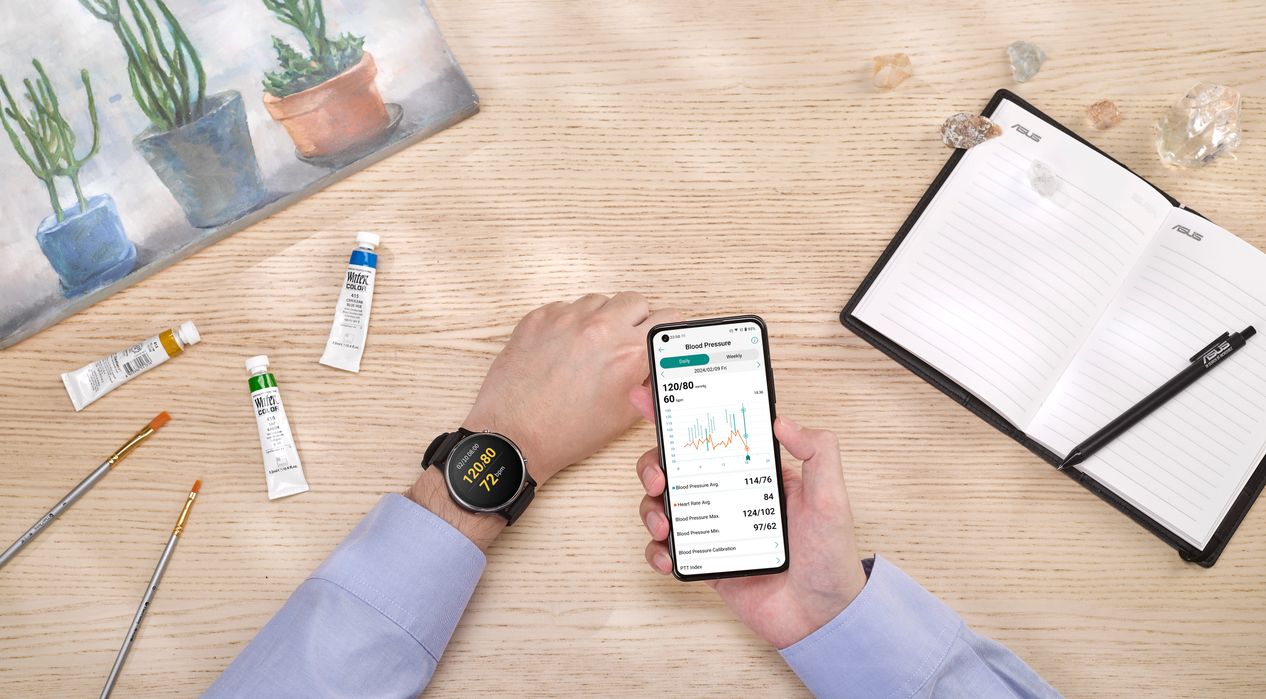
In August 2025, Dr. Lin Huan-ran, from the Department of Neurology at Kaohsiung Medical University Hospital, a specialist in neurology, epilepsy, and sleep disorders, published a clinical studyi in the renowned medical journal “Medicine”. The study focused on acute ischemic stroke patients and incorporated the ASUS VivoWatch for physiological monitoring. This research not only represented a breakthrough in the medical field by including a wearable health monitoring device in a study on ischemic stroke, but also marked the first time an ASUS product has been mentioned in a top-tier international medical journal. We sincerely thank Dr. Lin and his team for their outstanding contributions, which have helped highlight ASUS’s commitment to smart healthcare.
Of particular note, Dr. Lin’s study indicated that ASUS VivoWatch, equipped with ECG and PPG sensors, demonstrates accurate and reliable blood pressure analysis for acute ischemic stroke post-onset, and shows minimal differences in measurements between paralyzed and non-paralyzed arms, verifying the clinical stability of VivoWatch. This research data complies with international validation standards set by ANSI, AAMI, and ISO.
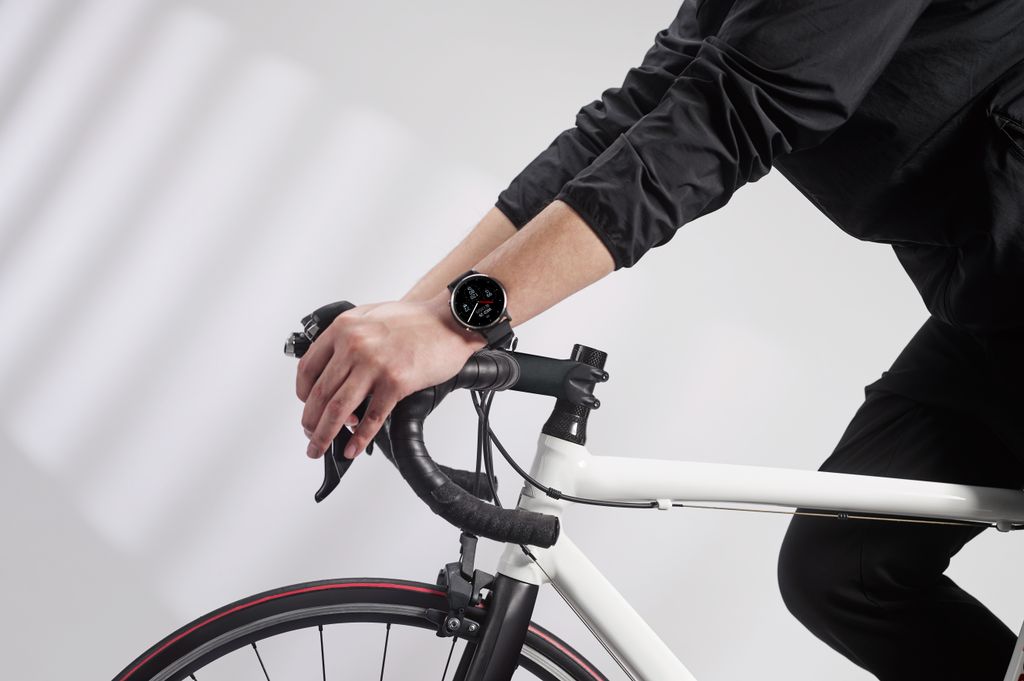
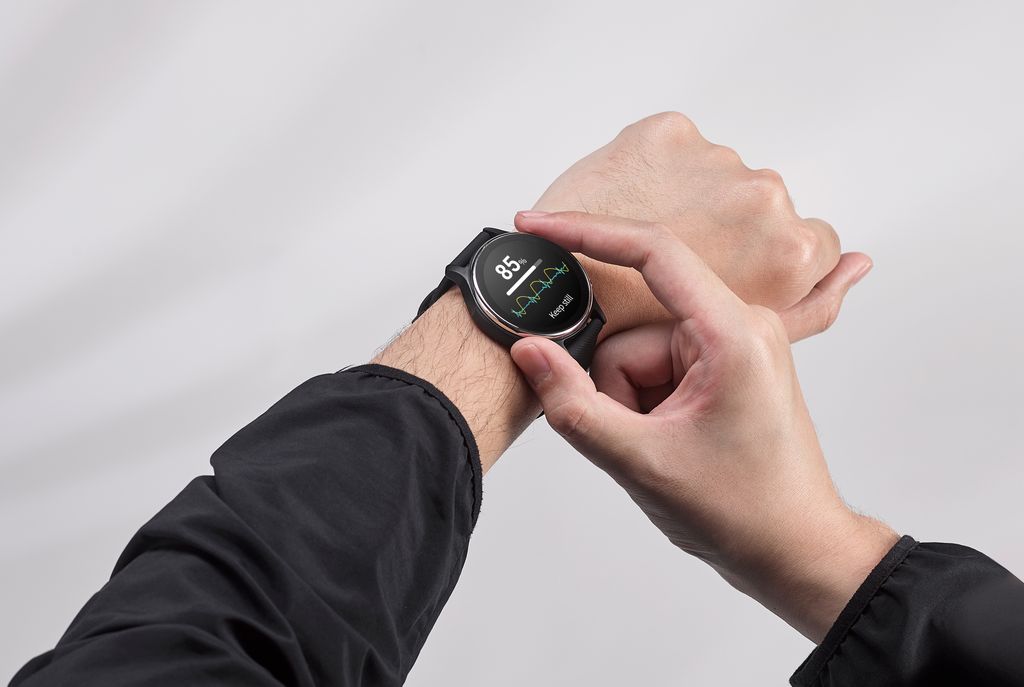
Furthermore, the study found that ASUS VivoWatch successfully performed continuous background monitoring without disturbing a patient’s sleep, simultaneously collecting various data points, including blood oxygen, heart rate, and sleep patterns. This rich and comprehensive physiological information helps physicians prevent cardiovascular events early and more comprehensively track potential complications. Overall, ASUS VivoWatch serves not only as a reliable tool for long-term physiological observation but also provides crucial reference information during clinical follow-ups.
The effective application of technology in healthcare settings not only creates direct clinical value but also presents a valuable opportunity for businesses to verify if their products genuinely meet customer needs. This process fosters closer collaboration between healthcare institutions and the industry, opening up endless possibilities for innovative medical applications.
In the next article, I will explore how AI is becoming a key driver in transforming the healthcare industry—optimizing workflows, improving diagnostic accuracy, and addressing global resource challenges.
i Validation of blood pressure measurement using a smartwatch in patients with acute ischemic stroke – PMC https://pmc.ncbi.nlm.nih.gov/articles/PMC12366971/