Hospitality Ulster has claimed the method used to calculate rates bills for the north’s pubs, hotels and restaurants is “fundamentally flawed” after hundreds of business owners discovered they face massive increases in their annual bill.
Pubs and hotels in particular have been hugely impacted by the latest revaluation of non-domestic properties by Land & Property Services (LPS), with some well known venues seeing their net annual value (NAV) increase by between 100% and 342%.
LPS said the reassessment of 75,000 properties as part of ‘Reval 2026’ is based on market evidence.
Hospitality Ulster has described it as “the final nail in the industry’s coffin”, claiming the way LPS calculates rates bills for pubs and restaurants is directly linked to inflation and therefore “detached from the reality of running a business in 2026”.

Business rates bills are calculated by multiplying the NAV of a premises with the combined poundage rate struck by both councils and Stormont.
NAV is generally assessed on the rental value of business property, i.e. what it would be worth it rented out on the market.
But when it comes to pubs and hotels, LPS use something called ‘fair maintainable trade’, which is tied to how much money a hospitality business can make.
The result for some of the north’s best known hotels have been hit with six, and in some cases, seven figure increases in their NAV.
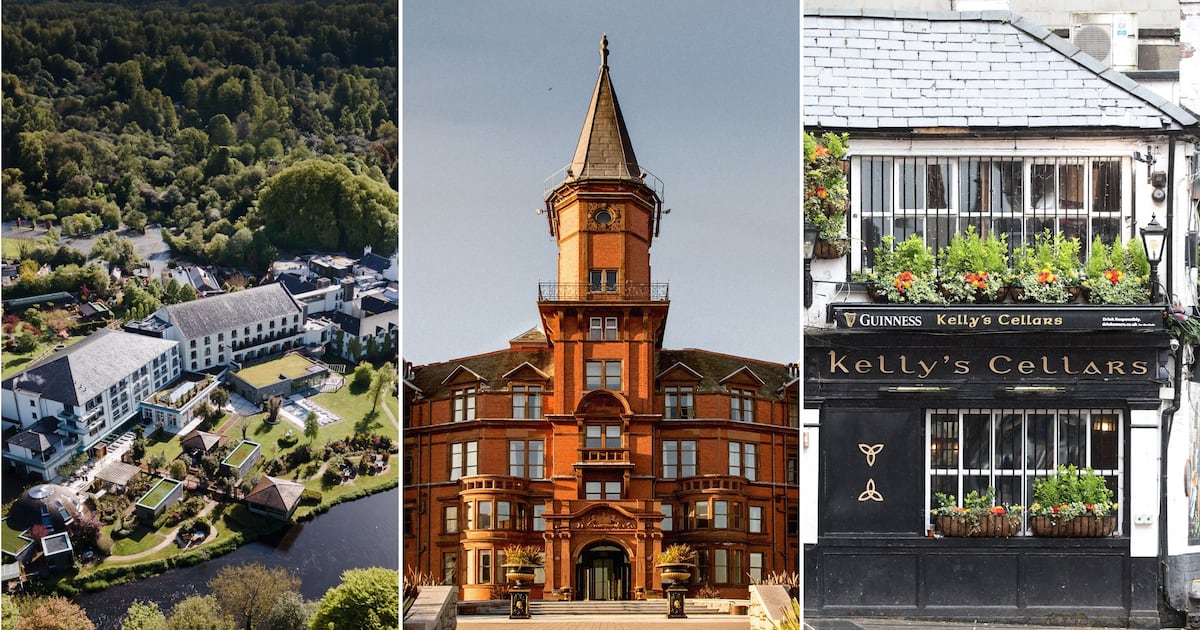
The Galgorm Resort in Ballymena faces a new NAV of £1.9 million, an increase of £1.07m (127.38%), while the Slieve Donard Hotel in Newcastle faces a £844,000 (208%) hike in its NAV to £1.25m.
Belfast’s Europa (+79%), Merchant (76%), Grand Central (+95%) and Hilton (+95%) hotels have all seen their NAV revised up by between £351,000 and £437,000.
Smaller operators like the Ringland Group have been hit with a 184% hike in the NAV for The 1852 in south Belfast and 109% in the city centre.
Belfast’s most popular pubs also face huge increases, with Kelly’s Cellar’s claiming perhaps the most eye-watering rise.
The Downey Group, which paid £6.5m to buy the historic pub in May 2024, faces a 342% increase from £47,600 to £210,500.
Across the city centre, the NAV for Bittle’s Bar has been revised upwards by 202%, with popular venues including The Garrick (+101%), the Ulster Sports Club (+117%), The National (+97%) and Common Market/39 Gordon Street (106%), also facing huge increases in their NAV.
Hospitality Ulster chair Michael Cadden said the way LPS calculates the value of properties in the sector is detached from the economic reality of inflation and rising employee costs.
“As we review the draft lists for the upcoming revaluation, it is clear that LPS is using a model that effectively treats the cost-of-living crisis as a business success,” he said.
Mr Cadden is managing director of the Lusty Beg Island Resort in Co Fermanagh, which faces a 115% increase in its NAV.
“While LPS estimates our trade, they are failing to account for the reality of the ‘payroll pincer’.”
The hospitality boss said businesses in the trade have endured surging wage costs over the past five years.
“These are not maintainable costs; they are a direct drain on the very trade LPS is trying to tax,” he added.
 Hospitality Ulster chair Michael Cadden (inset) runs a number of Co Fermanagh venues, including the Lusty Beg Island Resort (pictured).
“The 2026 revaluation lists show a sector facing a cliff-edge. For many, rateable values are doubling not because businesses are thriving, but because the price of a meal or a drink has had to rise just to keep the doors open.
“This is a monumental transfer of wealth from local small businesses to the Treasury.”
Publishing the new NAV list on Thursday, the commissioner of valuation Angela McGrath, said: “Reval 2026 is about ensuring that rates are distributed fairly based on current rental evidence.
“Businesses are currently paying rates based on rental levels that reflect the economic and market conditions during the pandemic in October 2021.
“Reval 2026 updates this position by using more up‑to‑date rental evidence from April 2024.
“The majority of non‑domestic properties are expected to see little or no change in their rates liability.”