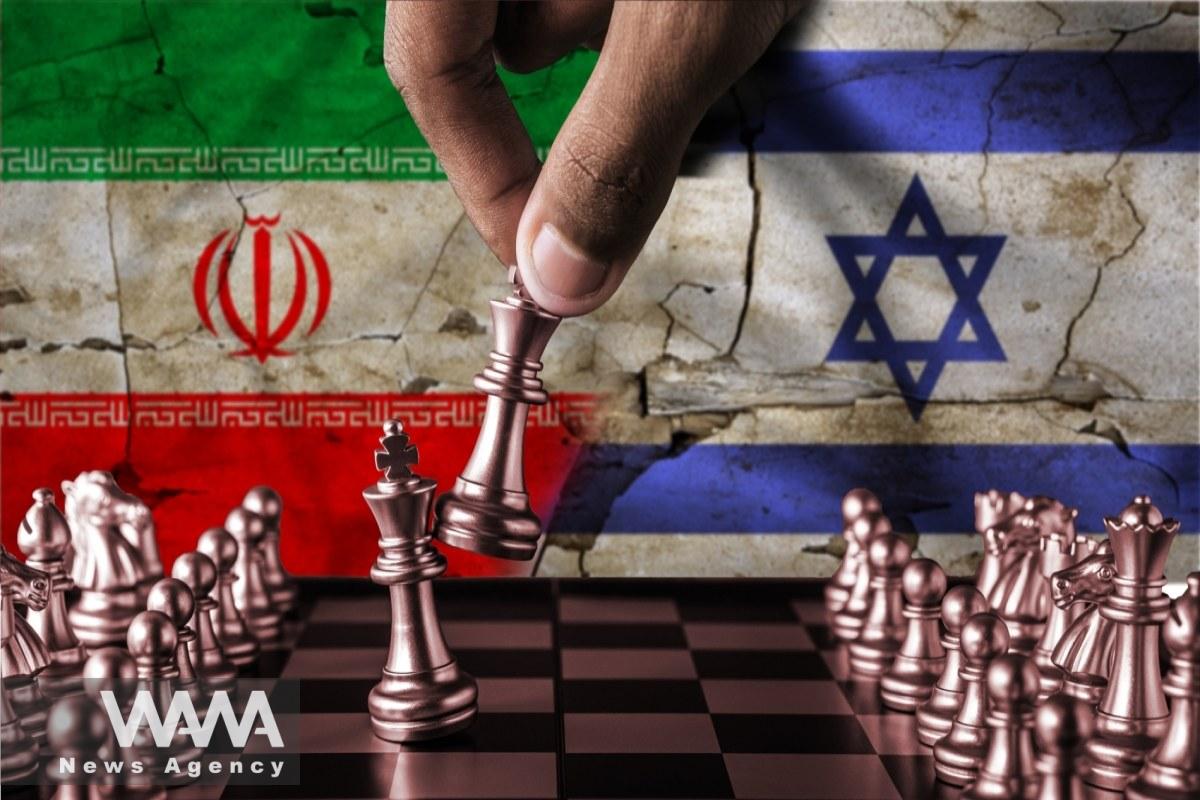
WANA (Jan 22) – Recent movements in the region and international political pressures against the Islamic Republic of Iran are more than simple coincidences; they are rooted in complex designs that experts refer to as “multi-layered scenarios.”
Hossein Kanani-Moghaddam, an international affairs expert, in a detailed interview with the Iranian media outlet ON-NEWS, dissected the direct role of the United States and Trump personally in leading domestic unrest and linking it to the military failures of the Israeli regime.
The First Phase of War: When Israelis Hid Behind the U.S.
Kanani-Moghaddam believes that recent events are actually the “Second Phase” or a continuation of a failed scenario. Referring to the 12-day war and Israeli operations, he says: “The initial plan was for Israel to conduct a massive operation, with the U.S. entering the field for fear of the regime’s collapse. However, Iran’s missile power and deterrent strikes disrupted their calculations.”
He emphasises that recent retreats by Israeli officials and Netanyahu’s repeated messages to Putin stating a lack of desire for conflict with Iran demonstrate their severe defensive vulnerability.
According to the expert, even the recent movements of the USS Abraham Lincoln and the shifting of U.S. military bases from “Al-Udeid” and “Ain al-Asad” are attempts to move forces out of the range of Iranian missiles and reduce vulnerability to a potential response from Tehran.
The Second Phase: Directing Unrest from the Washington War Room
The second and more dangerous part of this scenario was moving the war from the borders into the streets of Iran. Kanani-Moghaddam explicitly calls Trump the “Operations Commander” of these riots, stating: “It is unprecedented in history for the president of a country to officially announce that he is in command of unrest [in another nation].”
He cites technical and logistical equipment as evidence: “The activation of 40,000 Starlink links in Iran was no accident; it was an infrastructure for sending news and directing internal forces equipped with money and weapons. They wanted to trigger these riots during the 12-day war, but the million-strong presence of the people in defense of the system caused this plan to fail in its first step.”
 Iran’s Internet Blackout: A Country Disconnected
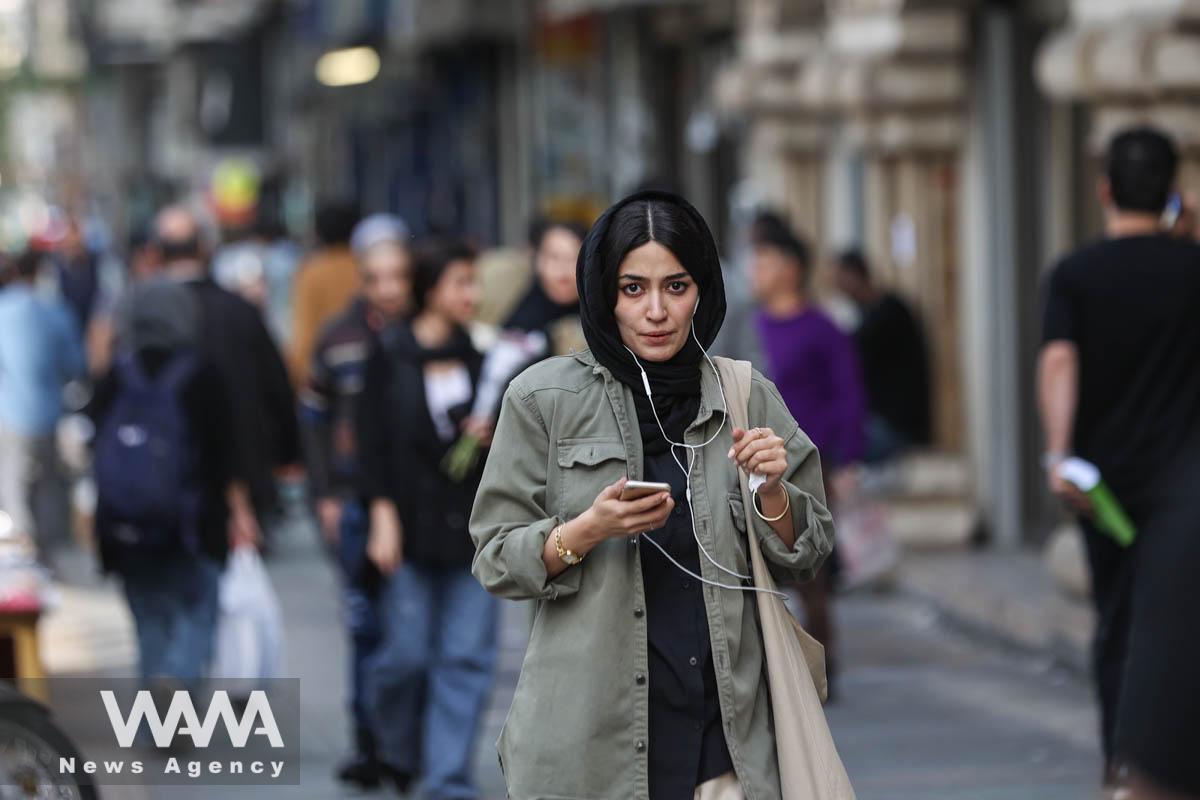
WANA (Jan 17) – From the night of January 8, 2026, when international internet access was cut off for the fourth time in Iran’s history, the country’s population faced a new challenge. This time, the shutdown—described as a security measure following domestic unrest and external threats—not only severed millions of people’s connection with the outside […]
The War of Narratives: A Weapon in the Hands of Every Iranian
Citing Ayatollah Khamenei’s emphasis on “cognitive warfare,” this international expert warns that the enemy’s goal at this stage is the “will of the nation.” He says, “When you surrender to enemy propaganda in the war of narratives, your will to resist is weakened.”
While criticising certain media restrictions that have disarmed internal forces against the enemy’s false facts, he emphasised: “Today, every mobile phone in the hand of an Iranian is a weapon of resistance. This tool should not be taken from the people; rather, through smart management, the truth must be allowed to stand against the enemy’s psychological warfare.”
The Necessity of a Deterrent Approach Toward the Fifth Column
In another part of his speech, Kanani-Moghaddam pointed to Western double standards, saying that Europeans who today shed “crocodile tears” for criminals in Iran previously executed thousands of people in field courts during World Wars on charges of being a “fifth column.”
He believes that Islamic clemency should not lead to the emboldening of those who attack the people and national security with guns and knives: “Our way of dealing with incidents must be deterrent. If a decisive approach is not taken, the enemy will escalate the phase and move toward civil war.”
The Outcome of the Gamble by Trump and the Dependent Opposition
Finally, Kanani-Moghaddam described the state of the overseas opposition as “humiliated,” saying: “Nowhere in the world does an opposition roll out a red carpet for its country’s enemy to attack its own people. Trump, as a political gambler, returned to military bluffs and maximum pressure once he saw these individuals carried no weight for change in Iran.”
He concluded by noting that Iran no longer waits for the enemy to strike: “Our strategy has changed; if intelligence shows the enemy intends to attack within the next 24 or 48 hours, Iran will launch a preemptive operation.”
 The Cost Of The Largest Terrorist Operations In Iranian History
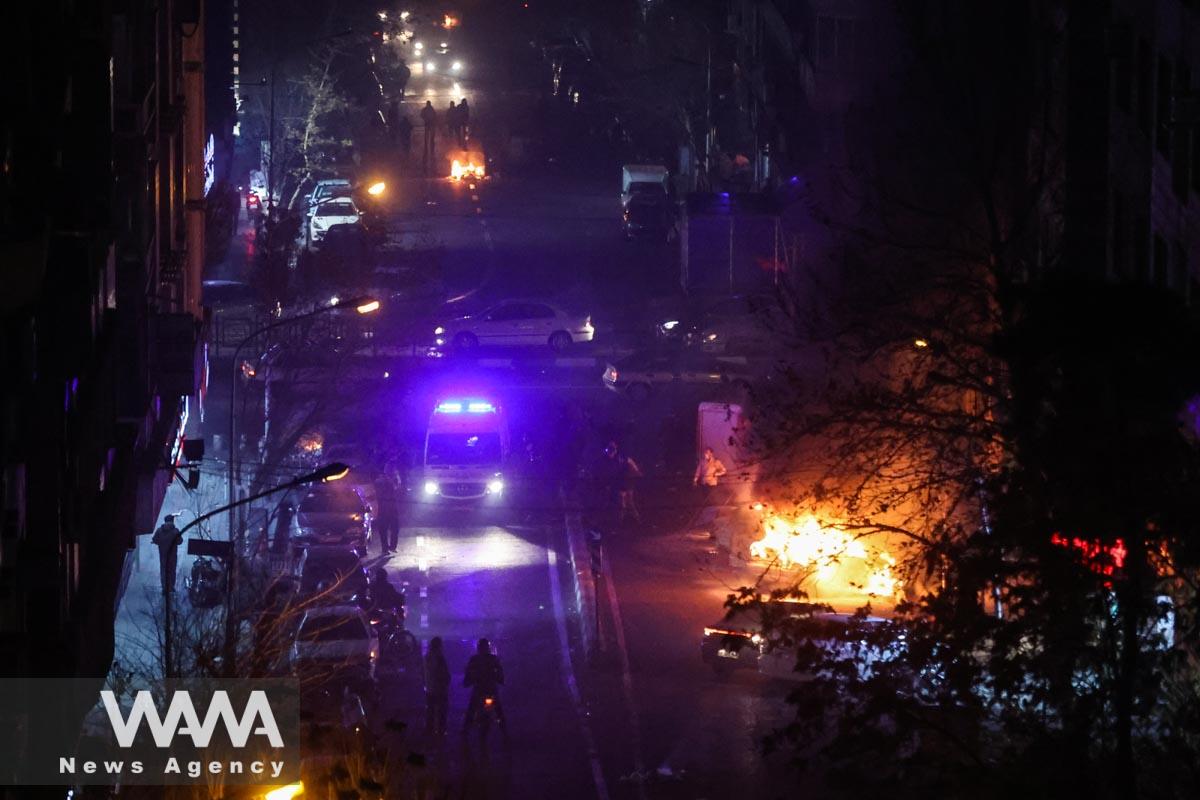
WANA (Jan 19) – Between January 8 and 10, 1404, Iran faced one of the most extensive and organized terrorist operations in its modern history; attacks that targeted urban infrastructure, government offices, banks, relief equipment, educational centers, and cultural heritage, and, according to officials, left heavy economic and human consequences. Initial estimates show that […]