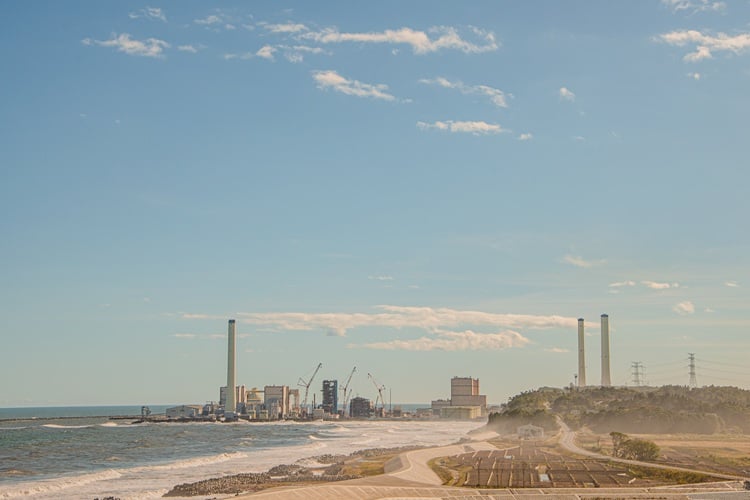
Fifteen years after the Fukushima Daiichi disaster, Japan is cautiously reviving nuclear power as it grapples with rising electricity demand, energy security concerns, and decarbonization goals. On Wednesday, Tokyo Electric Power Company brought Unit 6 of the Kashiwazaki-Kariwa complex in Niigata Prefecture—the world’s largest nuclear plant by capacity—back online, marking the utility’s first reactor restart since 2011. Alas, the milestone was short-lived. Hours after resumption, operations were suspended following a minor malfunction, triggering further safety checks. TEPCO said the incident posed no radiation risk.
Before Fukushima, nuclear accounted for roughly 30 percent of Japan’s power generation. Today it supplies less than 10 percent, leaving the country heavily dependent on imported gas and coal. The government plans to lift nuclear’s share to about 20 percent by 2030.
The post-Fukushima rejection was yet another public policy error in the history of nuclear energy. Japan and Germany, two nations that pride themselves on climate leadership, responded to the disaster by abandoning carbon-free atomic power. Japan halted all nuclear production within 14 months. Germany immediately shuttered half its reactors and promised to close the rest by 2022.
The outcome is perverse. No fatalities have ever been directly attributed to radiation exposure from Fukushima. Projections suggest perhaps 130 cumulative future deaths from the radiation release, plus roughly 1,200 from the chaotic evacuation. Yet the policy response proved far deadlier than the accident itself. Japan’s switch to expensive imported fossil fuels drove energy prices up 40 percent in some regions, leading to reduced winter heating and an estimated 5,000 additional deaths by 2014.
Likewise, government campaigns to cut electricity use, particularly air conditioning, may have killed nearly 8,000 people annually through 2015, mostly elderly. In Germany, researchers estimate 1,100 excess deaths per year from pollution as coal replaced nuclear generation. (Like Japan, German leaders now concede the mistake.)
The precautionary principle—the notion that activities should not proceed until risks are fully understood—sounds sensible but proves treacherous in practice. “Better safe than sorry” thinking fixates on vivid, salient dangers while ignoring the quieter harms of inaction. Radiation deaths are dramatic and attributable. Deaths from higher heating bills seem like noisy statistical abstractions. Yet both are equally fatal. As political scientist Aaron Wildavsky warned, without accepting some risk, there can be no progress at all.
Or abundant clean energy, it seems.