Published on
January 23, 2026
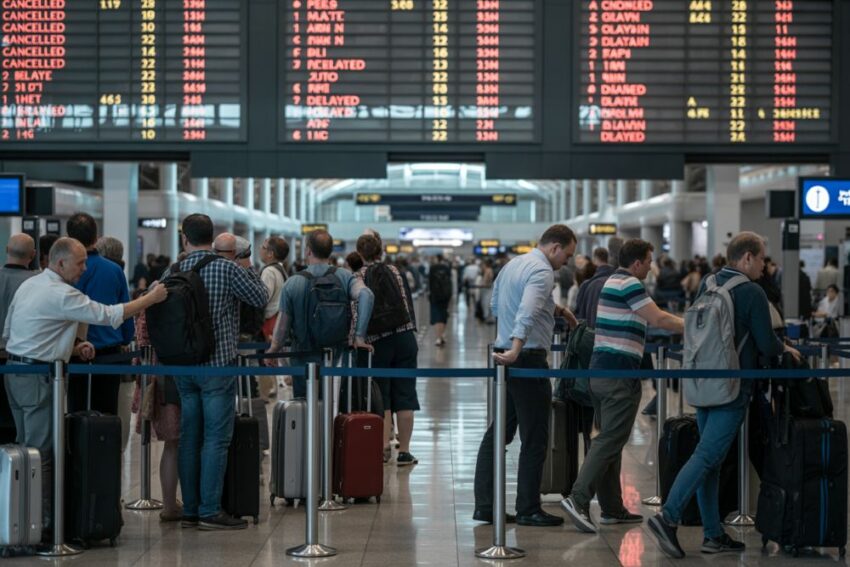
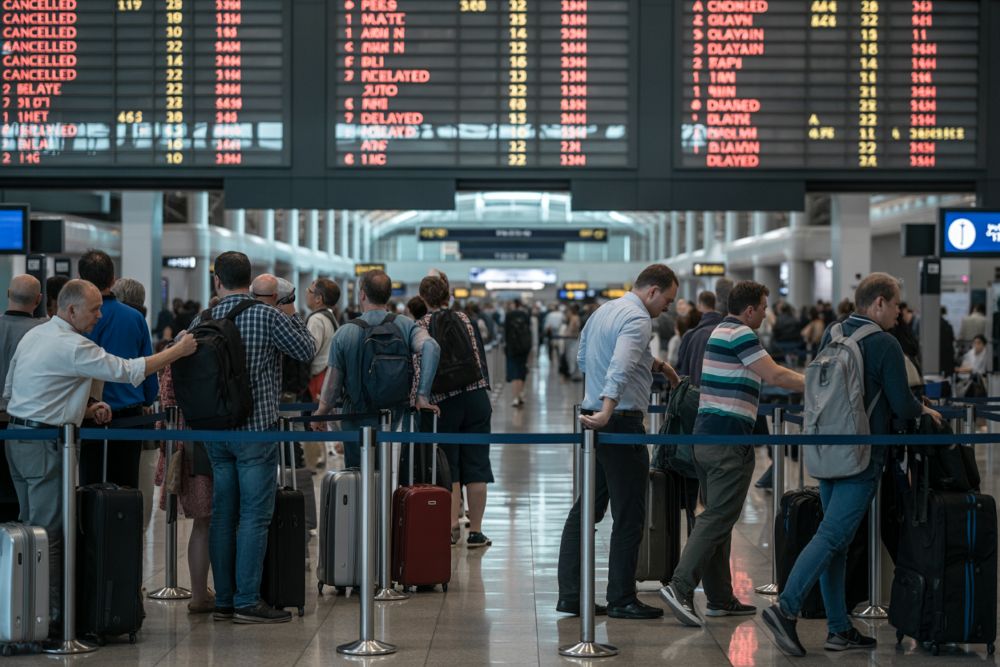
Air France, British Airways, KLM, Iberia, Pegasus Airlines, and more are facing travel turmoil across Europe, with significant flight cancellations and delays disrupting the travel plans of thousands of passengers. France, the UK, the Netherlands, Spain, and Turkey are the hardest-hit countries, with 42 cancellations and 906 delays reported. These disruptions have left passengers stranded or scrambling for alternate flights in major cities such as London, Amsterdam, Madrid, Istanbul, and beyond. The widespread nature of the issue is creating a ripple effect across Europe’s busiest airports, especially those in London, Paris, Istanbul, and Amsterdam, which are now grappling with overcrowded terminals and frustrated travelers.
As airlines like Air France, British Airways, and KLM try to manage the chaos, passengers are advised to stay updated on their flight statuses and consider alternative travel options to avoid further inconvenience.
Total Cancellations and Delays in Europe’s Air Travel
The numbers tell a staggering story. A total of 42 cancellations and 906 delays have been reported across Europe, affecting both major international airports and regional carriers. Passengers flying in and out of Europe’s busiest airports, including those in France, the United Kingdom, and Germany, have faced significant disruptions.
These disruptions have not only caused travel headaches for leisure travelers but also for business passengers, as Europe’s air network was one of the most well-connected in the world prior to this recent surge in flight disruptions.
Affected Airports, Cities, and Countries in EuropeMajor Airports ImpactedLondon Heathrow (LHR): The UK’s busiest airport reported 3 cancellations and 91 delays, causing significant frustration among travelers, especially those heading to and from Europe, Asia, and North America.Charles de Gaulle (CDG): France’s major international airport wasn’t spared, with 3 cancellations and 166 delays, affecting travelers heading to destinations across Europe and beyond.Amsterdam Schiphol (AMS): The Dutch capital’s airport faced 3 cancellations and 167 delays, which particularly impacted those on connecting flights to other European cities.Istanbul Sabiha Gokcen (SAW): Turkey’s busy gateway saw 16 cancellations and 154 delays, making it one of the airports hardest hit by the disruptions.Madrid-Barajas (MAD): Spain’s capital airport recorded 2 cancellations and 121 delays, affecting travelers both within Spain and those connecting to destinations in Europe and beyond.Airlines Hit by DisruptionsAir France: France’s flagship carrier experienced 7 cancellations and 125 delays, primarily impacting flights within Europe and those traveling across the Atlantic.British Airways: The UK’s national carrier saw 4 cancellations and 42 delays, with major impacts on its transatlantic and European services.KLM: The Netherlands’ major airline reported 9 cancellations and 100 delays, primarily affecting flights to and from Amsterdam Schiphol.Iberia: Spain’s flagship carrier faced 3 cancellations and 44 delays, with considerable impacts on passengers traveling between Spain and major European destinations.Pegasus Airlines: Turkey’s low-cost carrier was also significantly impacted, with 17 cancellations and 146 delays, especially affecting passengers flying within Europe and to other international destinations.What Affected Passengers Can Do Now
For those with flights delayed or cancelled, immediate action should be taken to minimize the impact. Here are some steps passengers can follow:
1. Contact Airlines for Rebooking Options
Airlines like Air France, British Airways, and KLM are offering rebooking options for affected passengers. If your flight is cancelled, check with your airline for alternative travel dates or the possibility of being booked on another flight.
Advertisement
Advertisement
2. Check for Compensation
Many European airlines are obligated by EU regulations to offer compensation or assistance in the event of significant delays or cancellations. Depending on the length of the delay, travelers may be entitled to meals, accommodation, or financial compensation. It is advisable to keep your receipts and make note of the disruption details.
3. Stay Updated
Airports and airlines are likely to provide real-time updates through their websites, mobile apps, and social media channels. It’s important for passengers to stay informed about their flight status to avoid unnecessary waiting at the airport.
Advertisement
Advertisement
4. Consider Alternative Routes
For those with urgent travel plans, exploring alternative airports or routes may be an option. For instance, if flights out of London Heathrow are heavily impacted, consider flying from London Gatwick or London City Airport for quicker departures.
5. Travel Insurance
Passengers who have purchased travel insurance should immediately reach out to their provider to explore coverage options, including reimbursement for expenses caused by the disruption.
Conclusion
With 42 cancellations and 906 delays reported across several major European airports and airlines, it’s clear that air travel in Europe has been heavily impacted. Key hubs in cities like London, Paris, Amsterdam, and Istanbul, as well as major carriers like Air France, British Airways, and KLM, have all experienced significant disruptions.
Travelers affected by these disruptions should act swiftly to rebook, explore compensation options, and stay informed to mitigate the impact of these ongoing issues. While disruptions like these can be frustrating, understanding your rights and taking proactive steps can help ease the inconvenience.
Source: FlightAware and affected airports
