SPRINGFIELD, Mo. (KY3) – As winter weather moves in with heavy snow expected in the coming hours, Springfield residents are preparing for the season’s challenges. While clearing sidewalks to the best of your ability is required for Springfield residents, there’s much more that homeowners need to know to keep their families and the community safe.
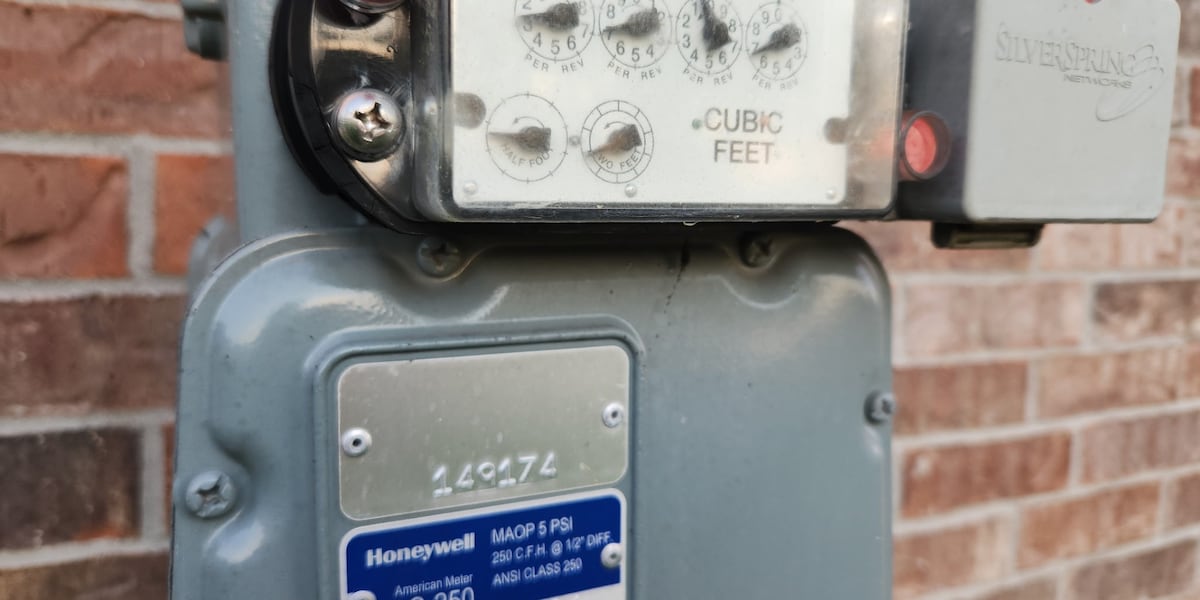
Protecting Your Natural Gas Meter
Battlefield resident Chris Mann prioritizes utility meter maintenance during heavy snowfall.
“Yes, I do keep the meter uncovered. It’s on the side of the house next to the generator and garage,” Mann explains.
There’s a good reason for his diligence. Deep snowfall can create serious problems for natural gas systems. The weight of accumulated snow can strain the meter, disrupting the flow of natural gas to your home. In worst-case scenarios, it can even cause dangerous gas leaks.
Best Practices for Meter Maintenance
Natural gas companies recommend periodically checking your meter during and after snowfall. Gently brush or sweep away snow and ice buildup—but be careful about your methods. Never use a snowblower or heavy objects to clear your meter, as they can damage critical components. Beyond safety from leaks, keeping your meter accessible serves another crucial purpose. If an emergency occurs, you’ll need quick access to shut off the gas supply to your home.
Fire Hydrants: The Lifeline of Emergency Response
While homeowners often focus on their own property, the Battlefield Fire Protection District urges residents to consider their broader community’s safety—specifically, fire hydrants.
Captain Justin Stevens of the Battlefield Fire Protection District emphasizes the critical importance of keeping hydrants clear of snow and ice.
“When we get out, we’re in a hurry, and every second counts. If those hydrants get completely covered with snow, that can prevent us from getting there quickly and taking care of what we need to take care of,” Stevens says.
How You Can Help
The recommended practice is to clear a three-foot radius around each fire hydrant in your area. If you’re able, creating a pathway from the roadway to the hydrant makes an even bigger difference during emergency response situations.
Stevens also encourages residents to know where hydrants are located in their neighborhood so they can act quickly when needed.
Being a Good Neighbor
Winter weather often makes it difficult for some community members to maintain their properties. Stevens has a simple message for those who are able to help:
“Just help your community out. You have neighbors that are not able to clear it, like an elderly neighbor, help them clear that out too so that you’re safe all the way down your road.”
Important Do’s and Don’ts
While fire hydrants are more robust than gas meters, they still require careful handling. Never use heavy tools like shovels or torches to break away ice and sleet accumulations. Fire hydrants have delicate seals that keep everything in place, and these can break easily under pressure or heat.
As snow arrives in the coming hours, take time to prepare. Clear your sidewalks as required, protect your gas meter, and look out for fire hydrants in your neighborhood. By taking these precautions and helping those around you, you’ll help ensure a safer winter for your entire community.
To report a correction or typo, please email digitalnews@ky3.com. Please include the article info in the subject line of the email.
Copyright 2026 KY3. All rights reserved.