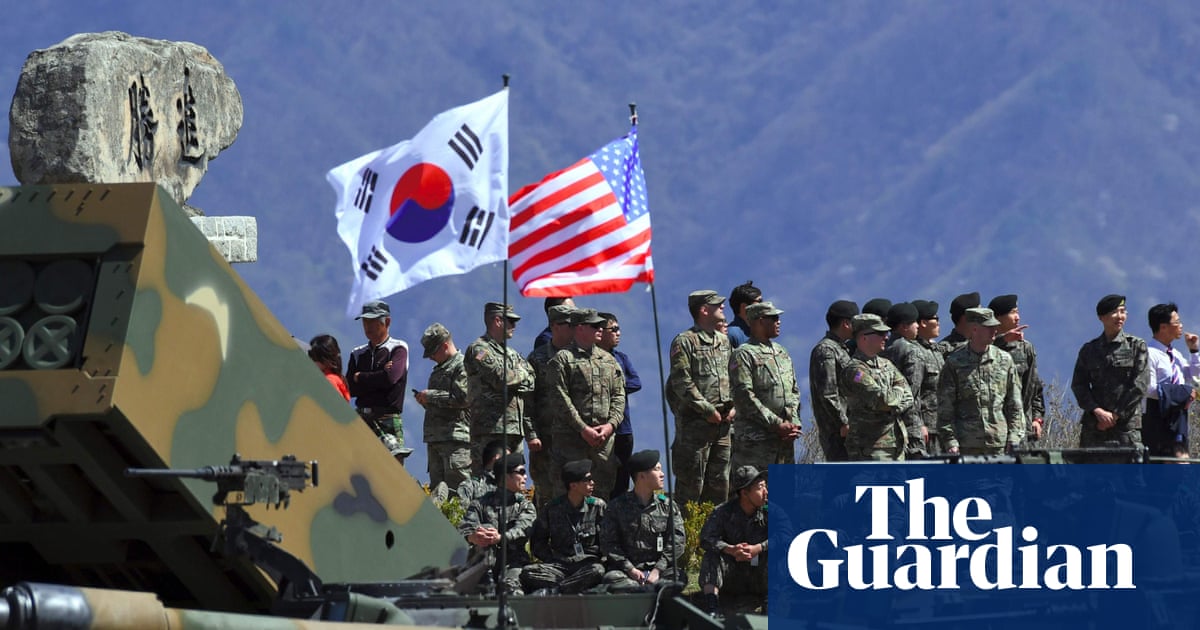
The United States is fundamentally rewriting its security architecture in East Asia. A leaked Pentagon policy document reveals a plan to step back from the frontlines of the Korean Peninsula, pushing South Korea to take “primary responsibility” for deterring the nuclear-armed North.
This pivot, outlined in the latest National Defense Strategy, signals the end of the post-Korean War era where American GIs were the primary tripwire against Pyongyang’s aggression. The move is driven by a new reality in Washington: the urgent need to conserve military resources for the looming “Great Power” confrontation with China.
Seoul in the Hot Seat
For South Korea, the announcement is a double-edged sword. While it validates their growing military sophistication—Seoul now boasts one of the world’s most advanced armies—it also brings a terrifying new burden. The “more limited” US role implies that in the event of a conventional war, South Korean troops will bleed first and bleed most.
The Capability Gap: While South Korea has a formidable army, it lacks the nuclear umbrella that only the US can provide.
The China Factor: The US wants its 28,500 troops in Korea to be flexible, ready to deploy to Taiwan or the South China Sea if conflict erupts.
The Nuclear Question
Defense analysts warn that this withdrawal could have unintended consequences. If Seoul feels abandoned, the voices calling for an indigenous South Korean nuclear weapons program will grow from a whisper to a roar. Such a development would shatter the non-proliferation regime and spark a terrifying arms race in Asia.
The message from the Pentagon is clear: The era of indefinite American guardianship is closing. Allies must now pay—and fight—for their own survival.