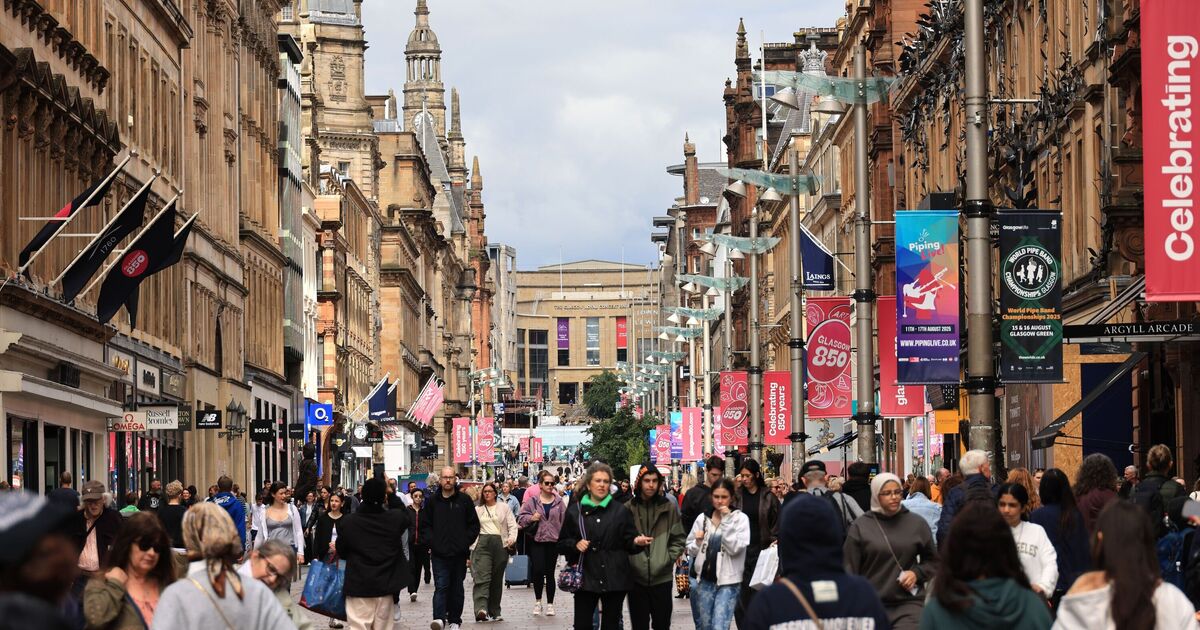
Several iconic retailers fell victim to mounting high-street pressures last year, leaving hundreds without jobs and shoppers watching familiar names disappear from town centres.
The scale seems quite stark. In 2024 alone, the UK lost an average of 37 shops every day, which is nearly 13,500 retail stores, according to the Centre for Retail Research. And the trend continued into last year.
WHSmith retreated from the high street to focus on travel hubs, while major fashion brands scaled back as well as staple restaurants. More closures are on the way, with chains including River Island and Poundland planning to shut further stores.
Retailers have blamed shifting consumer habits, the lingering impact of the pandemic, fierce online competition, and the spiralling costs of keeping high-street shops open.
The Express has listed some of the most iconic brands that left the high street last year, or significantly reduced their store count.
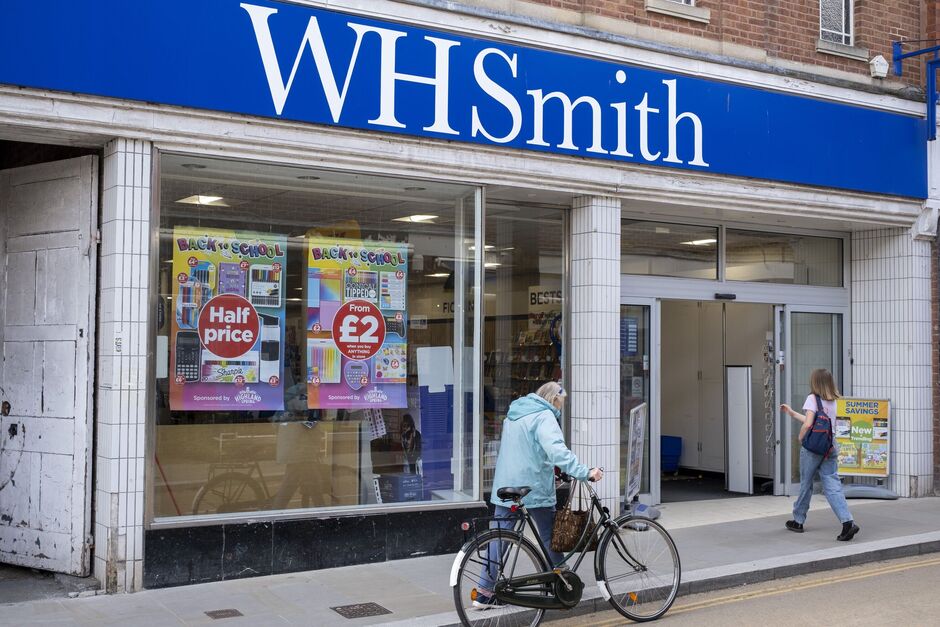
Perhaps the most shocking change, the 233-year-old retailer effectively vanished from the high street in 2025.
Once a must-visit destination to stock up on stationery before school started, the familiar name is now gone from town centres.
The firm agreed to sell its shops to Hobbycraft-owner Modella Capital, which were rebranded as TG Jones stores.
Modella Capital took over 480 shops in retail parks, shopping centres and on High Streets, including 5,000 staff.
The WHSmith name was not sold, so customers can still get a hint of nostalgia at airports and railway stations. The chain will also operate in hospitals.
(Image: Getty)
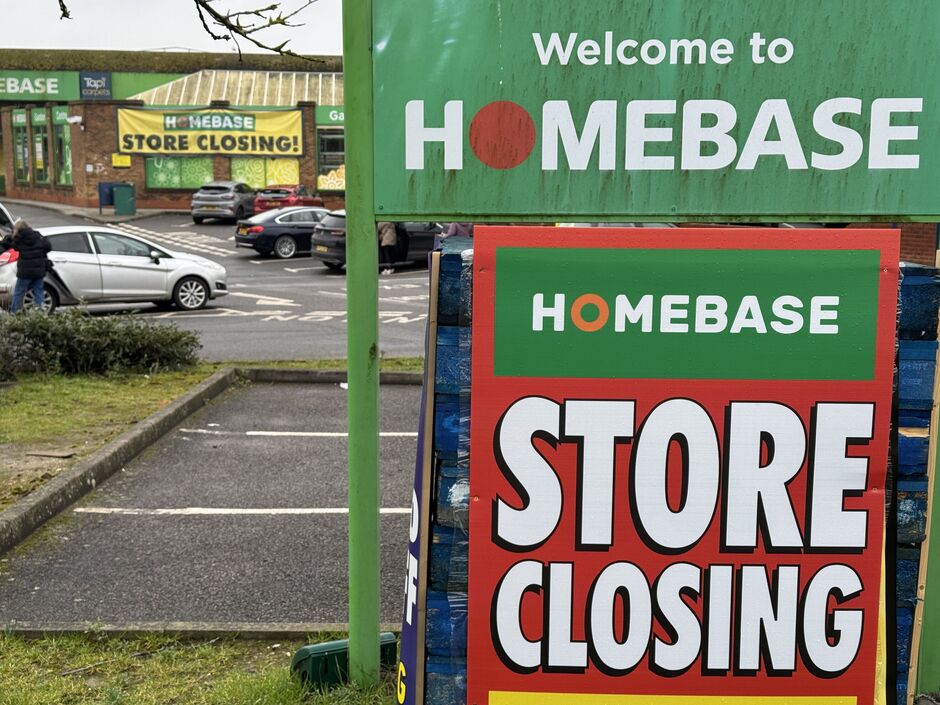
The iconic DIY and garden brand has been a staple in the UK since the 1980s, and was once the second-largest home improvement and garden products retailer in the UK and Ireland.
However, Homebase closed 65 stores across the UK last year after the DIY and garden brand fell into administration.
Its buyers managed to save around 70 branches across the country.
CDS Superstores, which owns The Range and Wilko, partially acquired the chain.
While it decided to keep the Homebase brand online, the physical shops are planned to become The Range.
B&Q agreed to buy five Homebase stores, cementing its position as the country’s largest home improvement retailer, while Sainsbury’s secured ten stores.
Homebase’s chief executive, Damian McGloughlin, said there had been a “decline in consumer confidence and spending following the pandemic”, and “persistent high inflation, global supply chain issues and unseasonable weather”.
(Image: Getty)
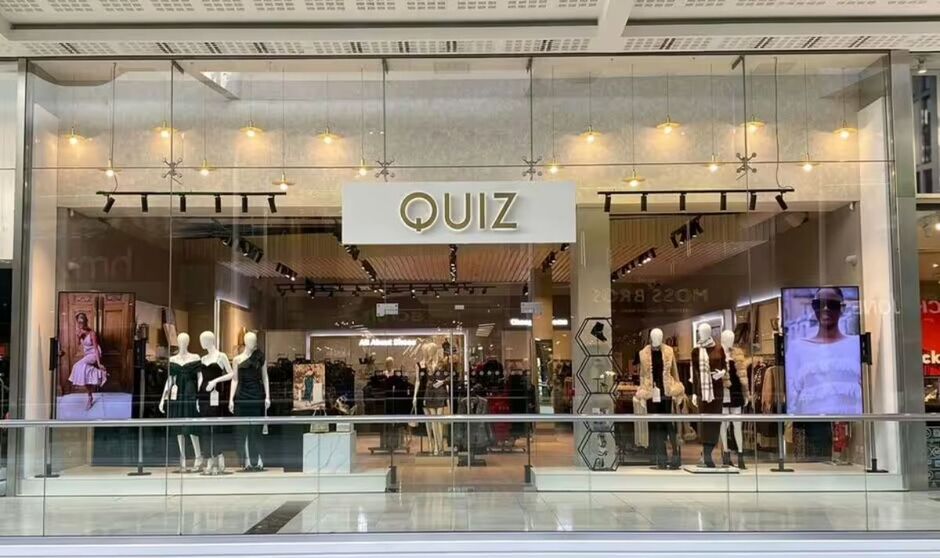
The clothing brand, which first opened in Glasgow in 1993, once had more than 60 stores across the UK.
However, in early 2025, around 23 stores were at risk of closure in the UK and Ireland as part of a restructuring effort, following the chain’s major financial difficulties.
Quiz Clothing’s shares were also removed from the London Stock Exchange.
Sheraz Ramzan, chief executive of Quiz, said: “The board took the difficult decision to appoint administrators to Zandra Retail Limited in light of the continuing challenging trading conditions impacting the group’s performance.
“We are deeply sorry to those affected by the store closures, including our retail colleagues.
“However, this decision will put the business on a more sustainable footing for the future and protect several hundred jobs as a result.”
The Quiz brand and its remaining 42 stores were saved from administration by Orion Retail.
(Image: Quiz)
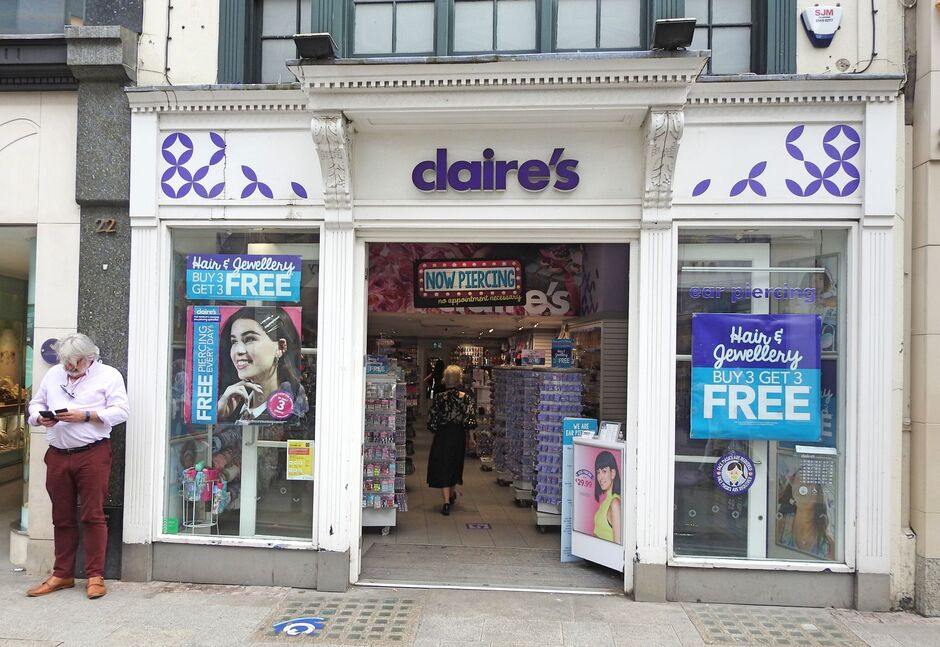
While the iconic jewellery chain and ear piercer has not quite disappeared, it fell into administration at the start of this year.
Modella agreed in September to purchase 156 Claire’s stores in the UK and Ireland, but the remaining 145 stores closed, and 1,000 jobs were lost.
Then in January, Modella Capital made a U-turn.
It entered insolvency proceedings due to tough trading conditions, and an “alarming” period of low trade over Christmas, which it said left it in a “vulnerable” position.
The collapse also impacted The Original Factory Shop, and raises uncertainty over the future of the chain.
(Image: Getty)