Published on
January 25, 2026
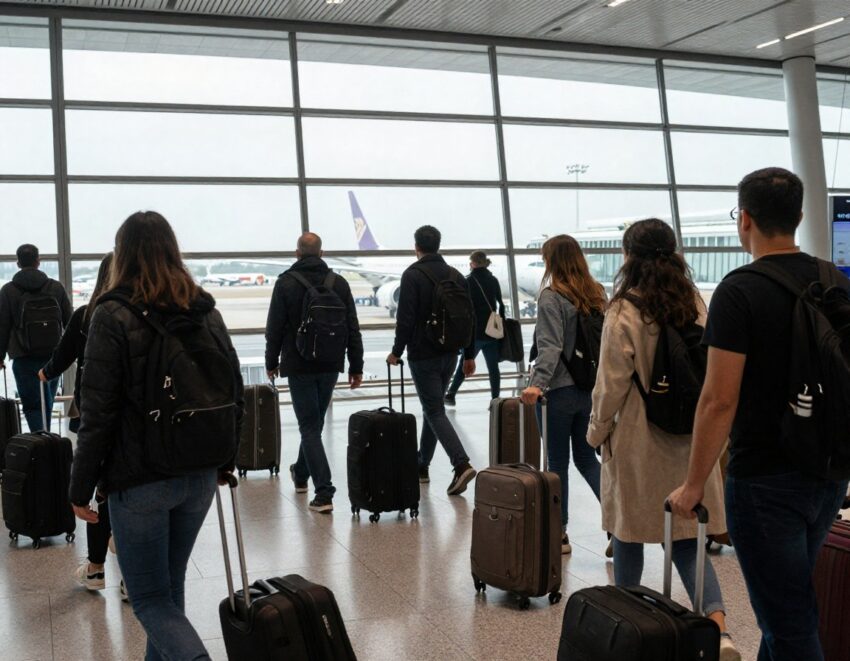
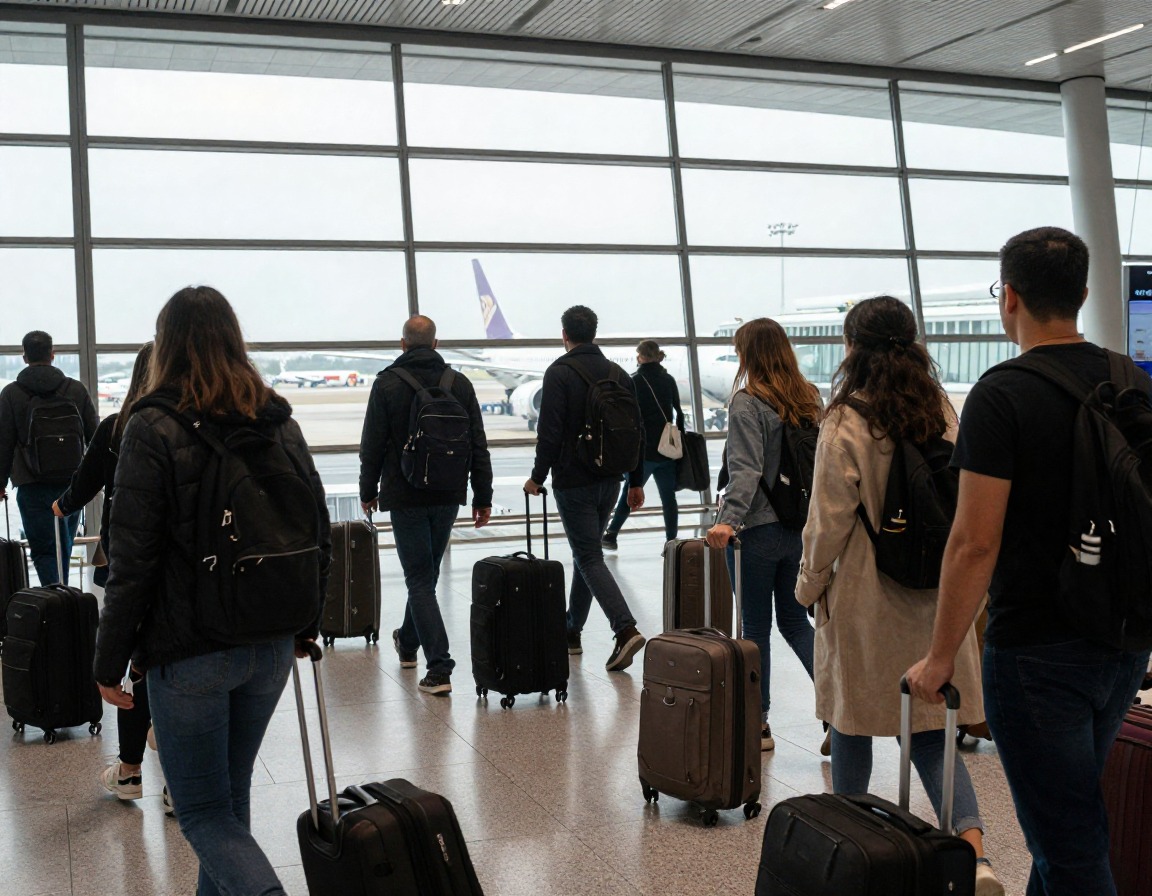
Spain, France, and Italy are once again at the center of a global travel surge that is reshaping how the world moves, stays, and spends. International tourism has not just recovered but accelerated, with Southern and Western Europe now experiencing some of their strongest visitor flows in modern history, closely followed by Thailand’s powerful comeback in Asia. Airlines are responding at speed, adding capacity on high-demand routes as flights operate at consistently high load factors across short-haul and long-haul networks. Low-cost carriers are filling seats on leisure-heavy European corridors, while full-service airlines expand intercontinental connections linking Europe, Asia, and the Middle East. At the same time, the hospitality sector is quietly recalibrating. Global hotel groups are recording strong occupancy in city centers, resort destinations, and secondary markets, prompting gradual but steady increases in room rates rather than sudden spikes. For travelers, this creates a new reality defined by fuller flights, busier hotels, and greater choice—where timing, flexibility, and informed planning matter more than ever. This surge is driven by renewed traveler confidence, expanded airline networks, and sustained demand for culture, cuisine, beaches, and experiences, making 2025 and 2026 pivotal years for global tourism and for anyone planning their next international journey.
Spain Joins France, Italy, and Thailand in a Tourism Explosion: Ryanair, Air France, Emirates, and Turkish Airlines Scramble for Seats as Marriott, Hilton, and Accor Quietly Raise Hotel Rates Across the Globe
Global travel has entered a new era of acceleration. International tourism has not only recovered but surged past pre-pandemic benchmarks. Spain, France, Italy, and Thailand now sit at the center of this rebound. Airlines are racing to add seats. Hotel giants are adjusting prices upward. Travelers are rethinking when, where, and how they move. This moment is reshaping the airline and hospitality industries while redefining the modern travel experience.
Spain Joins France, Italy, and Thailand in a Tourism Explosion as Airlines Add Capacity and Hotels Adjust Prices
Spain has emerged as one of the strongest performers in global tourism. International arrivals crossed historic levels in 2025, driven by strong demand from the UK, Germany, France, and long-haul markets such as the United States. Leisure travel dominates. City breaks, beach holidays, and cultural itineraries remain in high demand. Airlines responded quickly. Ryanair expanded frequencies to Barcelona, Madrid, Málaga, and Palma. Iberia strengthened long-haul connections from Madrid to the Americas. Low-cost and full-service carriers alike filled planes at high load factors throughout peak months. Hotels followed demand signals. Meliá Hotels International, Marriott International, and Accor saw sustained occupancy growth. Average daily rates rose in resort destinations and major cities. For travelers, Spain remains excellent value compared to many peers, but booking early has become essential.
Advertisement
Advertisement
Advertisement
Advertisement
Spain Joins France, Italy, and Thailand in a Tourism Explosion Driving Airline Competition and Hotel Strategy
France continues to anchor Europe’s tourism economy. Paris remains the continent’s most visited city, while Provence, the Riviera, and the Loire Valley attract steady flows year-round. Air France increased frequencies on transatlantic and intra-European routes, feeding traffic through Paris Charles de Gaulle. Network partners strengthened onward connections across Europe and Africa. Hotels adjusted inventory and pricing strategies. Hilton and Accor expanded premium and lifestyle offerings to capture higher-spending travelers. France benefits from diversified demand. Leisure travelers mix with business and event tourism, supporting stability even outside peak seasons. For visitors, shoulder months now offer better availability with fewer crowds, while summer and major event weeks command premium prices.
Italy’s Enduring Appeal Fuels Air Traffic Growth and Hospitality Demand
Italy blends history, cuisine, and landscapes in a way few destinations can match. Rome, Florence, Venice, and Milan continue to draw international travelers, while coastal regions and smaller cities see rising interest. ITA Airways expanded connectivity from Rome and Milan, focusing on North America and Asia. European carriers increased short-haul frequencies to support city breaks. Hotels adapted. Marriott and Accor invested in conversions and upgrades, particularly in historic centers. Demand pressure led to higher room rates during peak periods. Travelers should plan timed museum entries and consider alternative cities such as Bologna or Lecce to balance crowds and costs.
Advertisement
Advertisement
Thailand’s Global Comeback Reshapes Asian Travel Flows
Thailand stands as Asia’s most resilient tourism story. Bangkok, Phuket, Chiang Mai, and Krabi regained strong international traffic. Regional and long-haul airlines responded. Emirates increased capacity via Bangkok, linking Europe, the Middle East, and Australia. Qatar Airways strengthened frequencies, while Asian carriers restored routes from China, India, and Southeast Asia. Hotels benefited from extended stays and strong resort demand. Hyatt and Marriott reported high occupancy in beach destinations. Thailand’s appeal lies in value and variety. Travelers find competitive airfares, diverse accommodation, and year-round experiences. Booking flexibility remains wise due to seasonal weather shifts.
Airlines Race to Add Seats as Load Factors Climb Worldwide
The airline industry sits at the heart of this tourism explosion. Global passenger demand continued to rise through late 2025 and into 2026. Carriers focused on capacity discipline. They added flights on high-demand routes while maintaining strong load factors. Ryanair expanded across Southern Europe. Air France increased long-haul capacity. Emirates leveraged its hub to connect continents efficiently. Turkish Airlines expanded one of the world’s largest networks, linking Europe, Asia, and Africa via Istanbul. For travelers, competition brought more schedule options. Pricing, however, reflected demand. Peak-season fares climbed, especially on popular leisure routes. Booking early and traveling midweek often yields better value.
Hotel Groups Quietly Raise Rates as Occupancy Strengthens
Hospitality performance mirrors airline trends. Occupancy rates climbed in major cities and resorts. Average daily rates followed. Marriott, Hilton, and Accor adopted revenue strategies that balance volume with yield. Luxury and upper-upscale segments performed strongly. Lifestyle hotels gained popularity among younger travelers. Resort properties benefited from longer stays and remote work trends. Travelers should expect higher rates during peak periods but can still find value in secondary cities and off-season travel. Loyalty programs remain useful tools to offset costs.
Why These Four Countries Lead the Global Tourism Surge
Spain, France, Italy, and Thailand share common strengths. Each offers iconic attractions. Each maintains strong air connectivity. Each supports a mature hospitality ecosystem. Government investment in infrastructure and destination marketing played a role. Visa access improved for key markets. Currency dynamics favored inbound travel in several cases. Together, these factors created momentum that airlines and hotels were quick to capture.
Flight Planning Tips for the Modern Traveler
Flexibility is key. Choose alternative airports when possible. Secondary hubs often offer lower fares and smoother experiences. Monitor airline schedule updates, as carriers continue to add seasonal frequencies. Consider open-jaw itineraries. Fly into one city and out of another to save time and money. Use airline loyalty programs strategically. Upgrades and baggage benefits add value during peak travel.
Choosing the Right Hotel in a High-Demand Market
Location matters more than ever. Staying slightly outside historic centers often delivers better value. New hotel openings provide competitive pricing and modern amenities. Branded apartments and extended-stay properties suit longer trips. Travelers should book refundable rates when possible. Demand remains strong, and plans can change.
Sustainable Travel Gains Importance Amid Growth
Tourism growth brings responsibility. Cities introduced visitor management measures. Timed entry systems, tourist taxes, and capacity limits aim to protect heritage sites. Airlines invested in fuel-efficient aircraft. Hotel groups expanded sustainability programs. Travelers can support these efforts by choosing off-peak travel, respecting local guidelines, and selecting eco-certified accommodations.
The Traveler Experience in 2026 and Beyond
This tourism explosion shapes the travel experience. Flights are fuller. Hotels are busier. Experiences feel more curated. The upside is choice. More routes exist. More hotels cater to diverse budgets. Destinations invest in quality. The challenge is planning. Travelers who research, book early, and stay flexible will benefit most.
What This Means for Your Next Trip
Spain offers sun, culture, and connectivity. France blends elegance with efficiency. Italy delivers timeless appeal. Thailand combines value with warmth. Airlines compete to get you there. Hotels compete to host you. Prices reflect demand, but opportunities remain. Travel today rewards informed decisions. The global tourism boom is here. Those who navigate it wisely will enjoy richer, smoother journeys.
As airlines expand and hotels adapt, the world feels closer again. For travelers, this is a moment of opportunity. With smart planning, the tourism explosion becomes an invitation rather than an obstacle.
