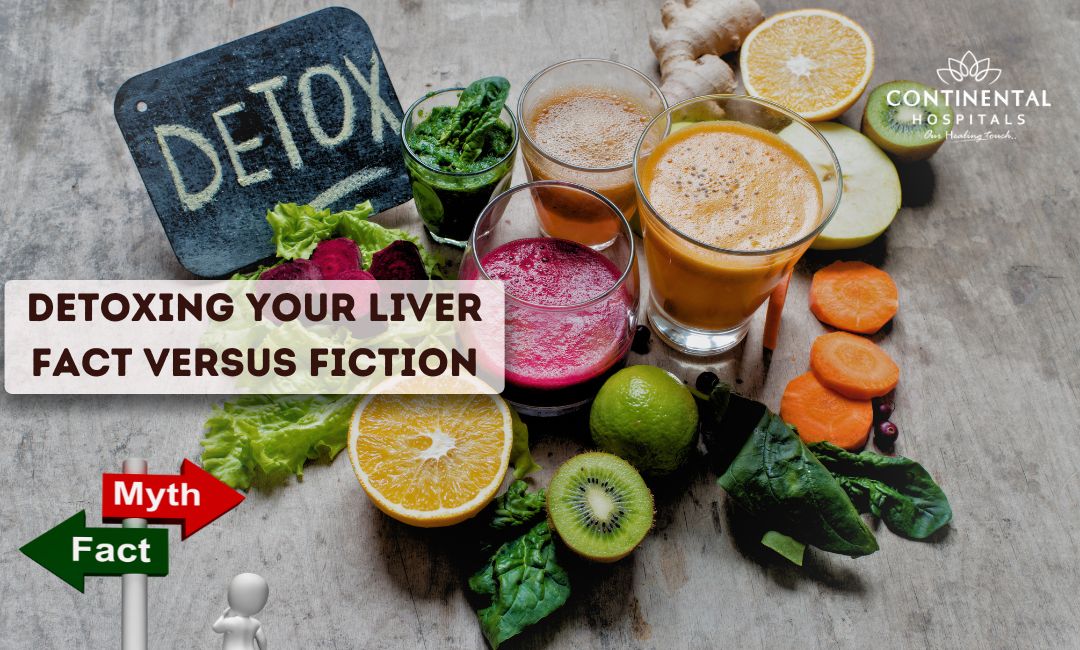
The wellness industry is selling you a myth in a bottle, but medical experts warn that expensive “cleanses” are not just useless—they might be dangerous distractions from the real work of liver health.
If you walked into any pharmacy in Nairobi this “Njaanuary,” you likely saw shelves groaning under the weight of “liver detox” teas, pills, and juices. It is a seductive promise: that a weekend of drinking kale smoothies can undo years of nyama choma and Tusker binges. But hepatologists are now pushing back, warning that the concept of “detoxing” your liver is a medical fallacy that drains your wallet while ignoring the organ’s true biological marvel.
The Master Filter
The human liver is not a dirty filter that needs to be taken out and scrubbed like a car part; it is a self-cleaning chemical processing plant. “The liver is the only organ that can regenerate itself,” explains Dr. Amina Juma, a consultant gastroenterologist at Aga Khan University Hospital. “It processes alcohol, medications, and toxins and eliminates them through bile or kidneys. If your liver actually stopped ‘detoxing’ your blood, you wouldn’t need tea; you would need a transplant or a dialysis machine within hours.”
This biological reality has not stopped the global detox market, valued at over KES 700 billion, from preying on health anxieties. Most “cleanse” products work by inducing laxative effects, giving the user a false sensation of “clearing out” their system. In reality, they are often dehydrating the body and stripping the gut of healthy bacteria, leaving the liver to work harder to restore balance.
The “Natural” Fallacy: Many supplements labelled “herbal” are unregulated. In Kenya, products containing khat or unregulated aloe extracts can actually cause drug-induced liver injury.
The Sugar Trap: Juice cleanses are often marketed as liver-friendly, but the massive spike in fructose can contribute to non-alcoholic fatty liver disease (NAFLD), a condition now affecting 1 in 4 urban Kenyans.
The Cost of Fake Health: A typical 7-day detox program can cost upwards of KES 5,000—money better spent on three months’ worth of fresh vegetables and lean proteins.
The Real Enemies of the Liver
While we obsess over “toxins” in our food, we ignore the elephant in the room: lifestyle. The rising cases of liver cirrhosis in Kenya are not driven by obscure poisons but by alcohol misuse and obesity. The World Health Organization notes that alcohol consumption in Kenya is among the highest in the region, with the “weekend binge” culture doing significant damage. When you overload the liver with alcohol, it prioritizes breaking down the ethanol, allowing fat to accumulate in liver cells. Over time, this leads to inflammation and scarring.
“You cannot supplement your way out of a bad lifestyle,” Dr. Juma warns. “The best detox is to stop putting the poison in. Cut down the alcohol, reduce the fried foods, and drink water. It is boring advice, but it is the only thing that works.”
As we navigate the health resolutions of 2026, it is time to retire the word “detox.” Your liver is already doing its job perfectly; the question is, are you giving it the support it needs, or just drowning it in expensive green water?