
SCOTUS hears case on firing Federal Reserve governor Lisa Cook
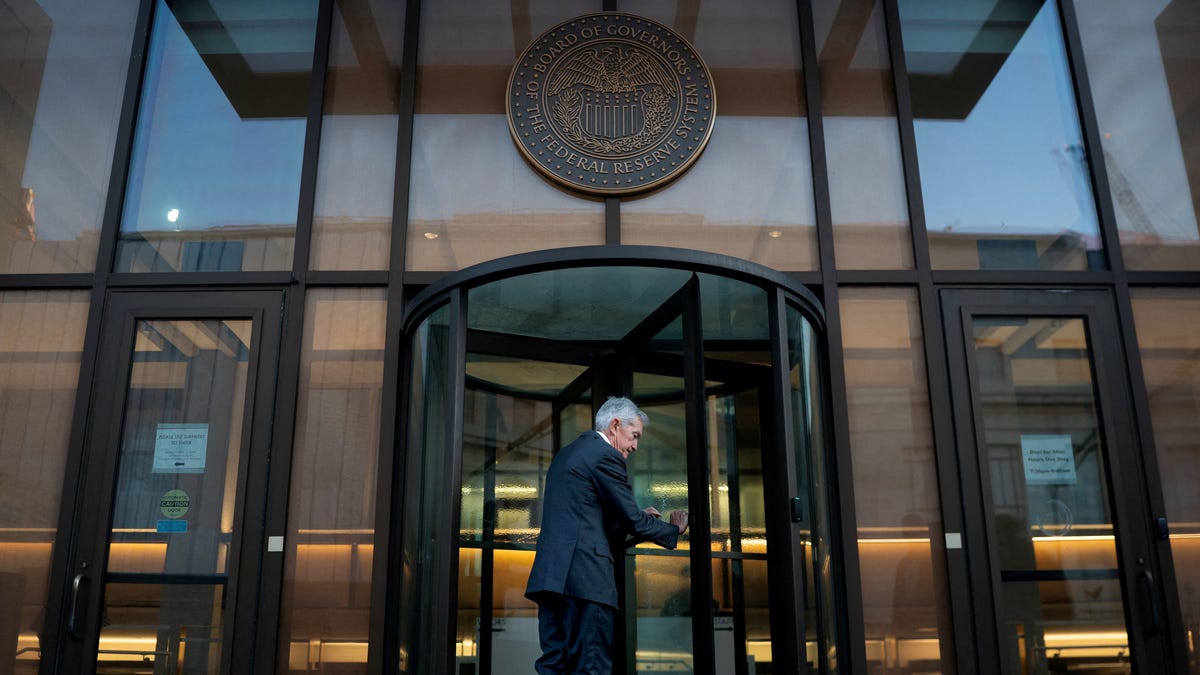
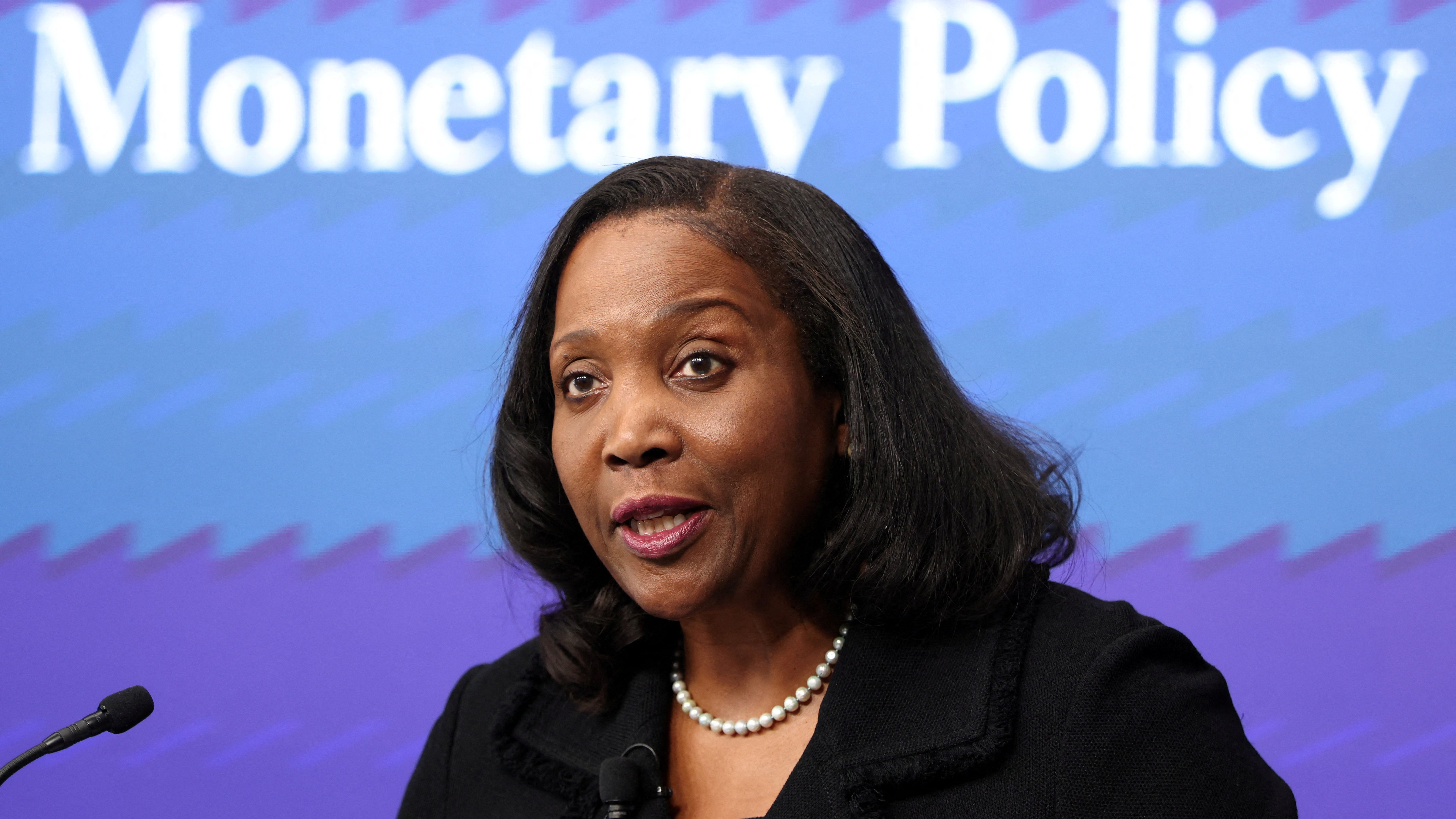
The Supreme Court heard arguments about President Donald Trump’s attempt to fire Federal Reserve governor Lisa Cook.
Although the Federal Reserve is expected to leave interest rates unchanged at the conclusion of its two-day meeting Jan. 28, a cloud of political and legal uncertainty is looming over the central bank.
The Fed cut rates at its last three meetings, bringing the federal funds rate to a range of 3.5% to 3.75%. Economists say that with inflation and the labor market little changed since policymakers last met in December, and with some committee members suggesting policy is near neutral, there is little expectation of another rate cut this month.
“The focus is going to be on the commentary,” said Liz Thomas, head of investment strategy at SoFi. Thomas said she will be listening for whether Chair Jerome Powell signals the Fed is as concerned about the labor market as it was last year, how officials are assessing inflation risks as the legal battle over tariffs continues and whether Powell addresses recent geopolitical developments regarding Venezuela and Greenland.
The meeting will also mark the first since the Supreme Court heard oral arguments in a case involving Fed Gov. Lisa Cook and since Powell confirmed he is under investigation by the Department of Justice. Both developments have raised concerns about the central bank’s independence from politics.
With Powell’s term as chair set to end in May, Treasury Secretary Scott Bessent has said President Donald Trump’s nomination for the next chair is coming soon, prompting questions about the Fed’s future leadership.
Will the Fed cut interest rates?
Following the December meeting, the Fed’s dot plot, a chart depicting where policymakers expect rates to be in the future, suggested the bar for additional rate cuts would be higher moving forward.
The Fed has a dual mandate of keeping unemployment low and prices stable, though at its last meeting officials were working with limited recent government data on the job market and inflation because last year’s federal government shutdown disrupted the release of key reports. At the time, the most recent available government data showed the unemployment rate ticked up and the annual inflation rate was 3% in September.
This time, policymakers have data for November and December. The Consumer Price Index showed the annual inflation rate was 2.7% in both months, and the December jobs report revealed the unemployment rate had fallen slightly after hitting a four-year high in November.
“We’re getting pretty close to neutral right now,” said KBRA Chief Strategist Van Hesser, adding he doesn’t expect a rate cut at the January meeting. “But we do expect some language that speaks to the economy coming into better balance.”
If not now, when?
Hesser said economists are still closely tracking the path of inflation, which remains above the Fed’s 2% target, particularly as the U.S. economy is set to receive a boost in the first quarter of 2026. Those, he said, include tax refunds stemming from recent legislation, infrastructure spending and the delayed effects of the Fed’s last three rate cuts filtering through the economy.
Between the expected stimulus and the Fed’s assessment that policy is near neutral, “there is no hurry to act,” according to a Bank of America Global Research report released Jan. 23.
Oxford Economics and Wells Fargo economists seem to agree. Oxford Economics Chief U.S. Economist Michael Pearce said its baseline is that the Fed will lower interest rates in June and September.
“It would take a decisive weakening in labor market conditions for the Fed to deliver sooner and more aggressive rate cuts, which we think is unlikely,” Pearce said in a Jan. 22 report.
Wells Fargo economists, in a Jan. 23 report, forecast two quarter-point cuts in March and June, but said “the risks to our forecast look increasingly skewed toward later and possibly less easing this year.”
An evolving Federal Reserve
Although policy is expected to remain steady in the near term, Trump’s push for lower rates, the Cook case, the Powell investigation and an incoming new Fed chair have fueled concerns about the central bank’s path forward.
Pearce said while the risk is “small,” if the Trump administration succeeds in ousting Cook, it “could pave the way for a substantial dovish transformation on the committee over time,” meaning members may be more inclined to lower rates.
Thomas said because Supreme Court justices seemed skeptical of the Trump administration’s arguments in the Cook case, and because the president is likely to announce his nomination for Fed chair in the coming weeks, soon “we might be able to remove two out of three question marks.”
“They have the potential to threaten the Fed’s independence…. But none of it has actually happened yet, and none of it has really changed anything yet,” Thomas said. “The DOJ investigation, I think, is distracting. It’s unfortunate that we as investors have to try to figure out how that might impact anything because it’s impossible to know.”
Powell’s term as chair is set to end in May, though his term on the Board of Governors does not expire until 2028. He has not made clear whether he intends to stay.
Comments from Trump and Bessent have signaled frontrunners for the next chair may include Director of the National Economic Council Kevin Hassett, former Fed Gov. Kevin Warsh, current Fed Gov. Christopher Waller and BlackRock executive Rick Rieder.
If Trump selects a chair who is not currently on the Board of Governors, it would require a vacant seat and confirmation to the board.
Reach Rachel Barber at rbarber@usatoday.com and follow her on X @rachelbarber_