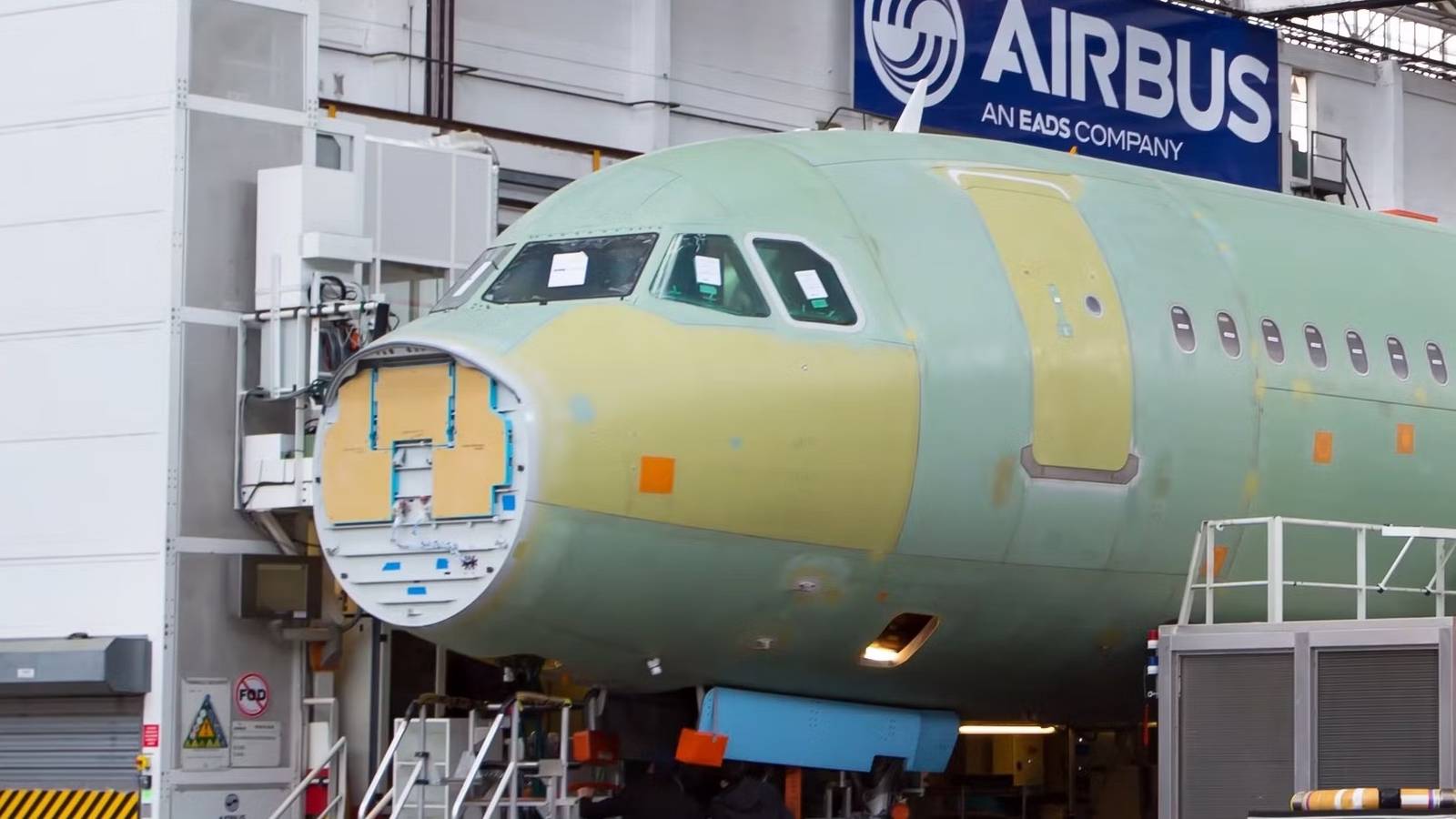
Airbus Chief Executive Officer (CEO) Guillaume Faury says that the trade war between the United States and China is no longer theoretical and that it has already inflicted significant logistical and financial damage on Airbus itself. In an internal memo seen by Reuters, Faury told employees that 2026 is a year of unprecedented crisis. He urged a mindset of both solidarity and continued self-reliance for the company, which remains one of Europe’s largest industrial conglomerates.
This warning comes as Airbus attempts to stabilize a fragile supply chain, keeping deliveries flowing, and scale up production of its A320-family cash cow. That means risking cross-border parts flows, diversifying suppliers, and staying flexible about where the jets are actually built. This also signals a continued drive by Airbus to protect margins while gearing up for the next narrowbody development cycle.
A Memo Connecting Global Geopolitics To The Needs Of Airbus
Credit: Shutterstock
Faury’s memo links geopolitics to factory reality. He wrote that the industrial landscape is sown with difficulties, intensified by the confrontation between the United States and China. He urged both solidarity and self-reliance. American protectionist moves, those which have obviously been driven by the decisions and opinions of the Trump administration, alongside a temporary freeze on exports of engines and other key components to China, have all stifled Airbus progress.
The manufacturer assembles jets in China, meaning that this poses a serious challenge. Faury also paired this warning with an execution push for the manufacturer, pointing to some quality issues that have held the company back. It recently had a software recall and a cut to overall delivery goals after flawed fuselage panels were discovered. On supply-chain friction, he said that the serious issues remain late engine deliveries from Pratt & Whitney and CFM International. Despite the shocks, he congratulated the staff on good results in 2025, and he also said that Airbus must build strength to fund its next-generation narrowbody plans.
Increased Tensions Are Undeniably Bad For Airbus
Credit: Shutterstock
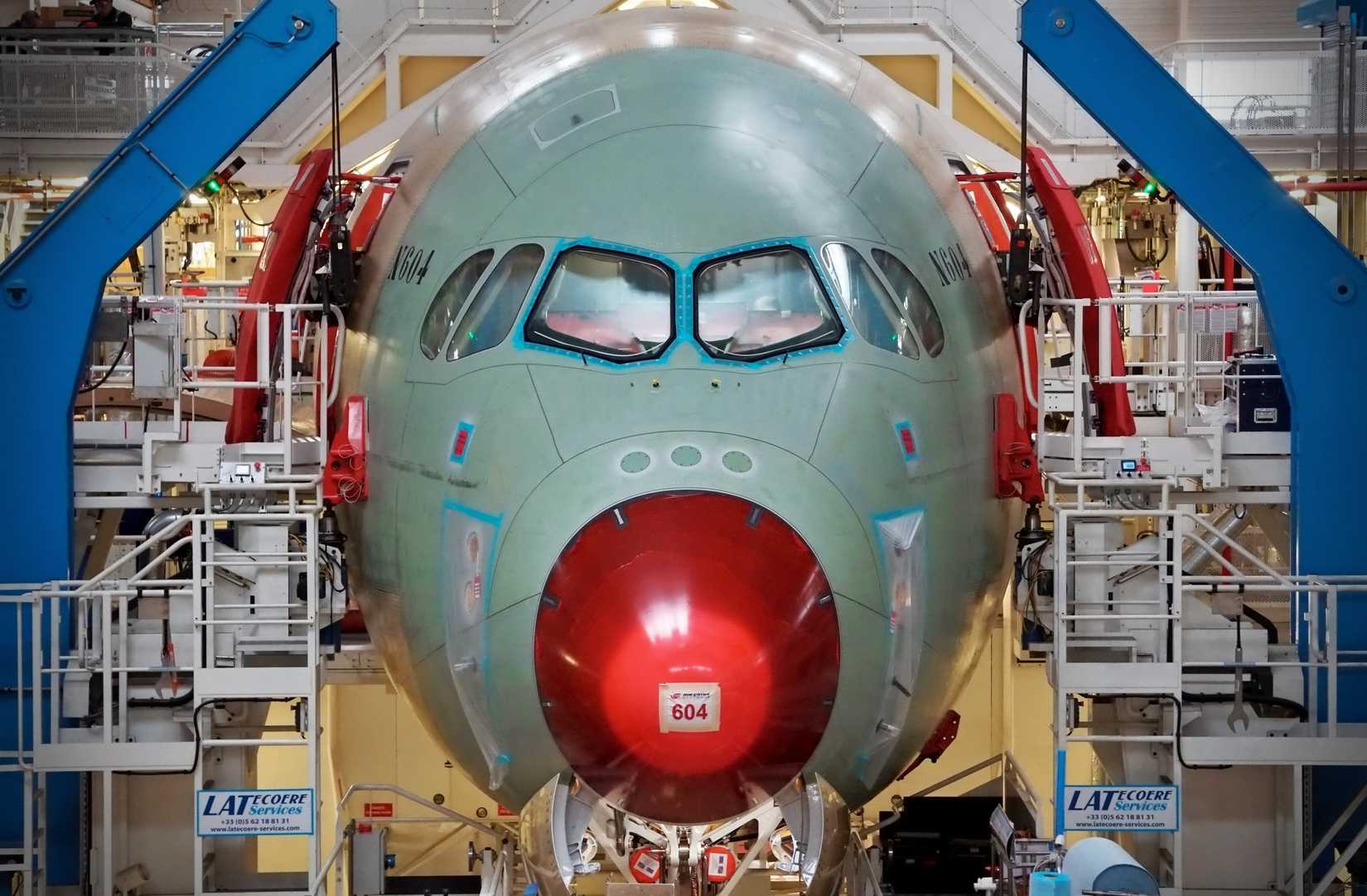
Airbus has good reason to be jumpy, as the manufacturer’s extensive and very complicated supply chain runs through both superpowers. Even when an Airbus A320 is assembled outside the United States, it still relies on US-controlled technology, ranging from avionics to engines. When Washington tightens export licensing, a single blocked subcomponent can hold up an entire aircraft. These kinds of delays seem marginal, but they can be incredibly problematic for the airline itself.
Export freezes have already affected the parts supply pipelines needed for Airbus jets that are assembled in China. Beijing can also retaliate, with export controls on critical inputs that could slow down the manufacturer’s pipelines even further. The Chinese government can restrict the inputs of minerals like rare earths.
The timing is rather awkward for the manufacturer. Airbus is expanding capacity in Tianjin, and it is banking on China as a huge single-aisle growth market, all while trying not to make aircraft supply a political bargaining chip that could help push local rival COMAC forward. The company’s neutrality becomes both expensive and complicated in these kinds of trade wars.
Related
A Look At How Many Planes Airbus Builds Yearly
Explore the challenges and triumphs of Airbus’ global manufacturing empire.
What Are The Financial Implications Of This For Airbus?
Credit: Shutterstock
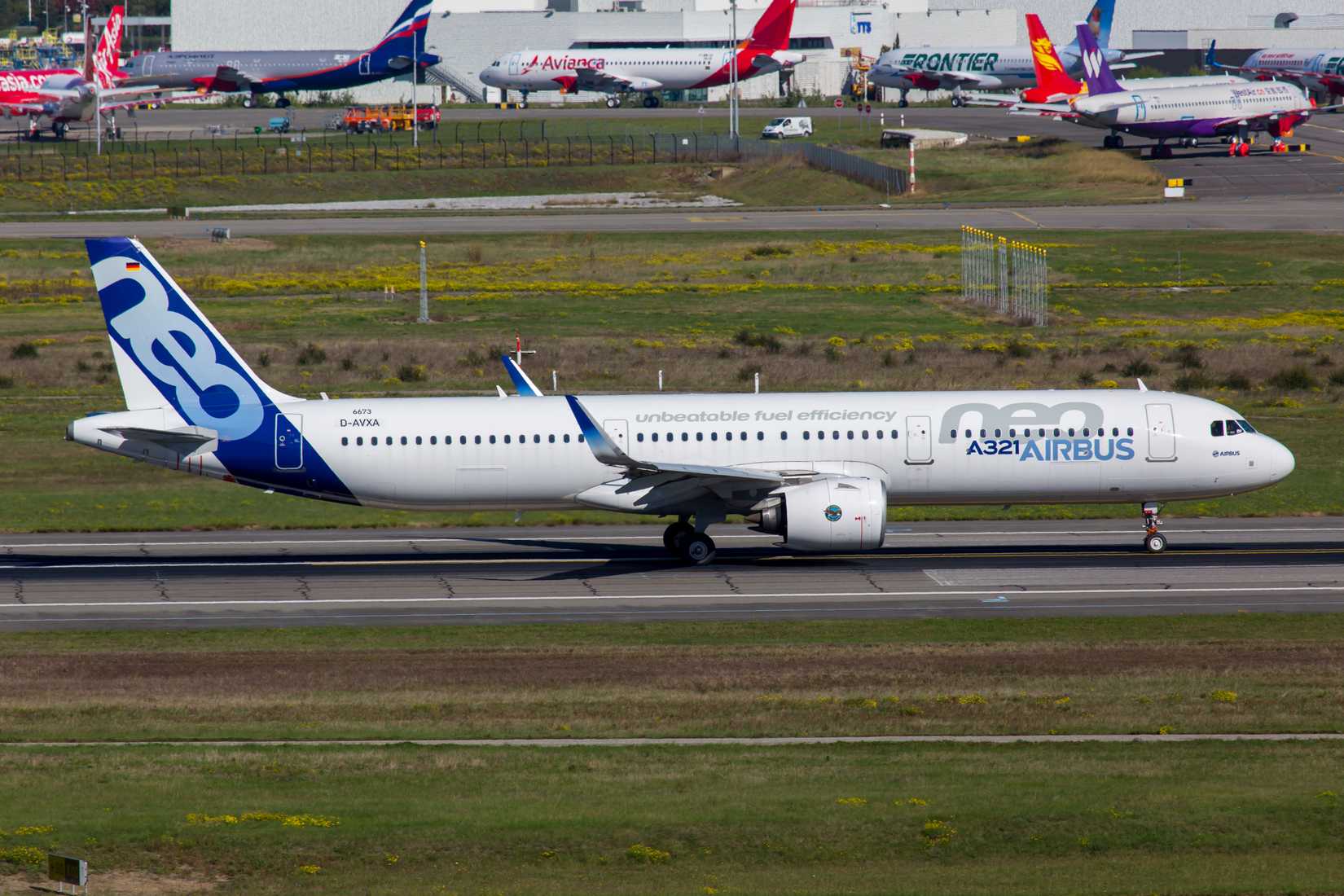
From a financial standpoint, trade friction tends to show up in three places, including delivery timing, costs, and overall long-term investment capacity. Airbus can have a full order book, but cash largely lands when jets are handed over. In 2025, Airbus delivered 793 aircraft, up from 766 in 2024. The company also warned of a complex and dynamic environment with engines arriving later than expected.
Any new export-control shocks, especially those involving US-linked engines and avionics, risk continued backloading deliveries, inflating inventory, and working capital. This allows the company to force costly re-planning across global final-assembly lines. Management has already acknowledged that deliveries were backloaded in 2025 as engine supply issues persisted.
Airbus’s 2025 financial results highlight negative free cash flow before accounting for payments from customers who had received new aircraft. Therefore, it is critical for the manufacturer to be able to continue delivering these aircraft on time and on-budget.