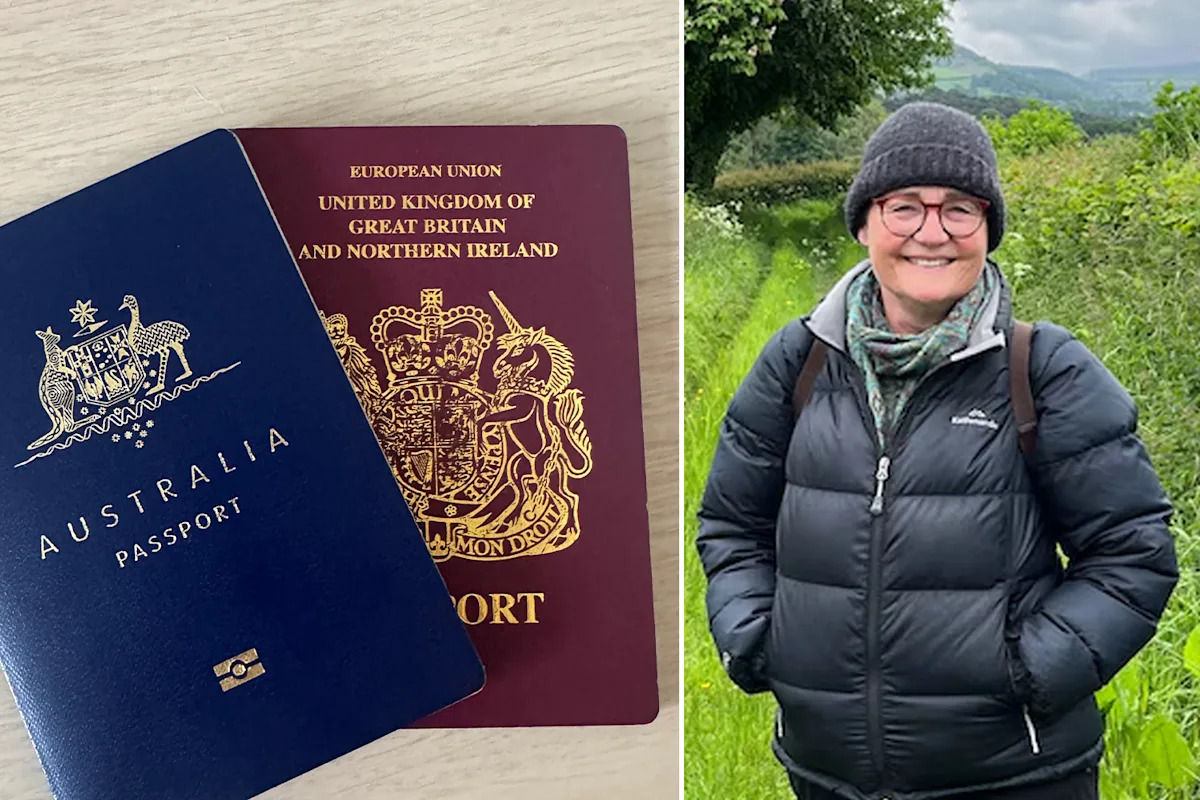
Australian citizens travelling overseas are being warned about so-called “middleman” websites that claim to help tourists secure essential government documents before departure, amid new UK entry rules affecting hundreds of thousands of Aussies.
The changes mean some dual UK-Australian citizens must now enter the UK on a British passport or pay for a certificate of entitlement.
While the UK’s Electronic Travel Authorisation (ETA) system has been rolled out in phases since 2023, a formal grace period will end on February 25, 2026.
From that date, the UK will move to strict enforcement, with Australians and dual citizens who do not have the correct digital or physical permissions likely to be denied boarding.
That’s because under UK law, British citizens are expected to enter the UK as British citizens, not as foreign visitors, and the ETA system forces that distinction.
Compare Travel Insurance (CTI) director Natalie Ball told Yahoo News that even travellers with valid passports can be turned away if they fail to meet updated government or airline requirements — a situation insurers generally still classify as a documentation issue.
Tasmania woman’s close-call prompts Aussie warning
Tasmania-based British dual citizen Jane MacDonald was among those caught out after rushing to renew her British passport online, only to discover she had unknowingly used a third-party website posing as an official government service.
After Googling “renew British passport”, Jane clicked the top result, which featured British symbols and branding, and paid more than $600 — more than triple the official cost — believing it was legitimate.
“They used a lovely little crown logo, which you’ll see on the proper British government stuff and a lovely little Union Jack flag,” she told the ABC.
“It said it was going to cost 314 pounds, which is … about $650 Aussie dollars, which is insane.”
It wasn’t until her son questioned the unusually high fee that Jane realised she had paid for an application assistance service, rather than applying directly through the UK government.
While she was eventually able to secure a refund, she said the experience highlighted how easily travellers can be misled — particularly when facing tight deadlines — and urged others to double-check they are using official government websites.
Do you have a story? Contact newsroomau@yahoonews.com
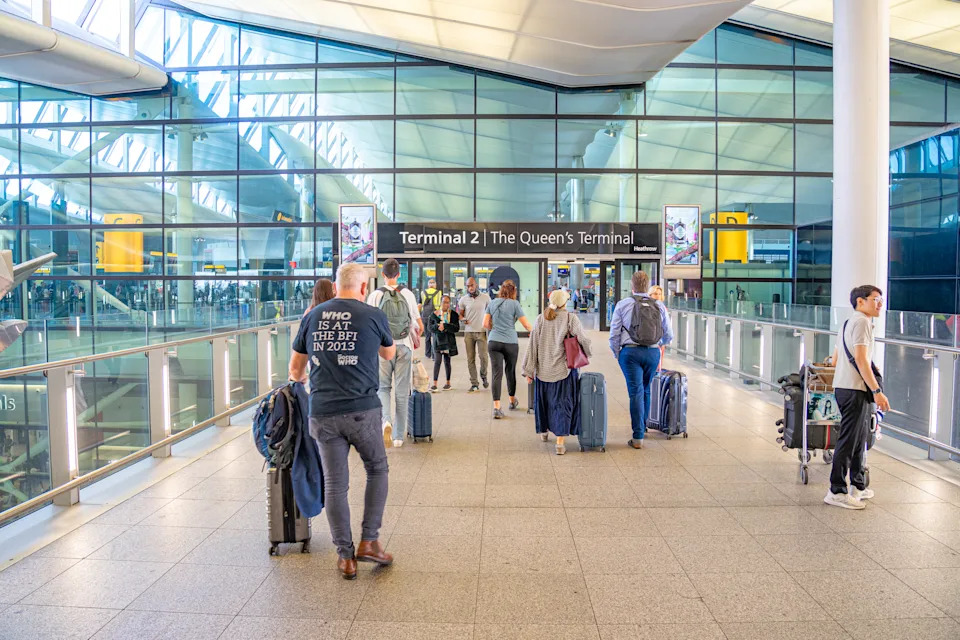
Australians are being urged to stay across the changes or risk being caught out. Source: Getty
(pedro emanuel pereira via Getty Images)
Insurers unlikely to cover instances of refusal of entry
Ball said that even when “you haven’t made a booking error”, many policies still consider refusal of entry by border authorities “a government ban which isn’t covered by travel insurance”.
She warned this could end up costing Australians “quite a lot”.
“Once you factor in flights, accommodation and other prepaid expenses, a simple paperwork error can quickly wipe out an entire trip — sometimes costing travellers tens of thousands of dollars,” Ball said.
“Generally, the onus remains on the traveller to ensure their documents meet entry requirements at departure, even when rules change after booking.”
In the case of the UK’s ETA rollout, Ball said the changes were expanded in May 2025, giving travellers time to update their documents.
Related: Aussies gear up for new visa rule change that would see them live and work in Europe
However, she said insurers assess claims on a “fair and reasonable” basis, and if requirements changed unexpectedly at the last minute, it may still be worth lodging a claim.
She added that travellers denied boarding due to documentation issues should not expect insurance to cover accommodation, meals or rebooking costs.
Ball said many Australians remain unaware of these exclusions when purchasing travel insurance.
“What these sudden passport changes have highlighted is the misconceptions that people have when purchasing travel insurance,” she said, adding that increasingly complex entry rules are making those misunderstandings more common.
She urged travellers affected by the changes to check official government advice regularly.
“It’s a good reminder that travellers should regularly check Smartraveller and sign up for DFAT alerts,” Ball said.
“With entry rules changing more frequently, prevention is key. Fixing a document issue early is far cheaper than being turned away at the airport.”

CTI Director Natalie Ball. Source: CTI
What are the new changes all about?
The changes form part of the UK Home Office’s rollout of its Electronic Travel Authorisation (ETA) system, aimed at tightening border controls and digitising entry checks for people travelling to the UK.
According to the Home Office, the move would streamline travel while strengthening security, giving authorities greater visibility over who is entering the country and the ability to block those deemed a risk before they arrive.
Before now, there has never been a strict legal requirement for British citizens to enter the country using a British passport.
Under the current system, some dual nationals — particularly those holding passports from visa-exempt countries such as Australia, Canada or EU member states — may travel on their non-British passport, provided they can demonstrate their right of entry if questioned.
From February 25, they will no longer be able to rely on a non-British passport to enter the UK.
Instead, they must present a valid British passport, a valid Irish passport where applicable, or by using a certificate of entitlement.
Do you have a story tip? Email: newsroomau@yahoonews.com.
You can also follow us on Facebook, Instagram, TikTok, Twitter and YouTube.