Published on
January 26, 2026
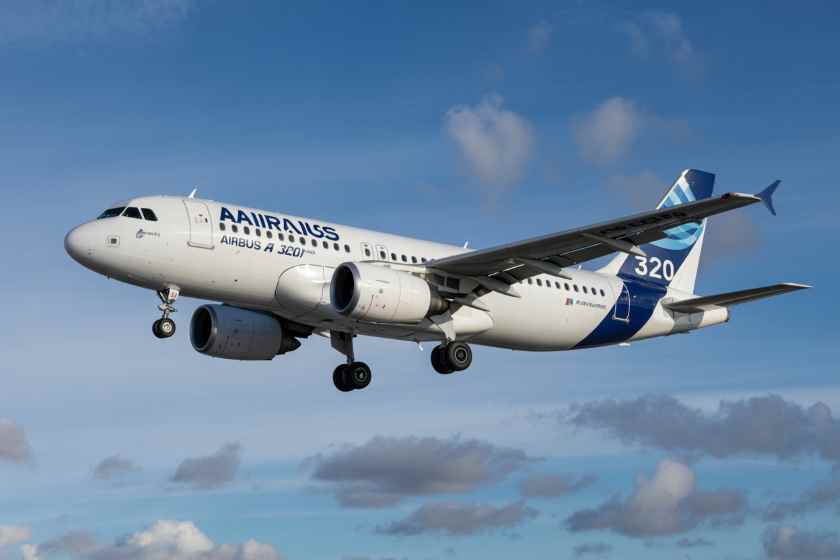
Zagreb, Split & Croatia, Europe are entering a new phase of air travel as Croatia Airlines prepares to retire its Airbus A320 fleet in early 2026. Updated schedule filings confirm that the aircraft’s final day of commercial service will be February 9, 2026, bringing to a close nearly three decades of A320 operations that have played a central role in connecting Croatia with key European destinations.
For travelers, the transition marks a noticeable shift in how flights across Croatia and beyond will be operated. Regular Airbus A320 services are scheduled to conclude on January 31, 2026, followed by a short series of farewell flights during the first week of February. These final operations give passengers a last opportunity to fly on an aircraft type that has long been part of the country’s travel experience.
Croatia Airways
The farewell schedule includes international and domestic routes that reflect Croatia Airlines’ core network. On February 8, an A320 will operate flights between Zagreb and Copenhagen, before returning to Zagreb. The same day also features a domestic sector from Zagreb to Split, a route closely linked to Croatia’s tourism flows between the interior and the Adriatic coast.
The final commercial Airbus A320 flight is scheduled for the morning of February 9, operating as OU651 from Split to Zagreb. With that flight, Croatia Airlines will officially conclude its A320 operations, closing a chapter that began in the mid-1990s when the aircraft first joined the fleet.
The retirement is part of a broader fleet-modernization program that will see Croatia Airlines transition entirely to the Airbus A220. Under this plan, all Airbus A319s, A320s, and DHC-8-402 turboprops will be replaced by the A220, creating a single-type fleet designed to support efficiency and operational consistency.
For tourism, fleet modernization directly affects the travel experience. Aircraft type influences scheduling flexibility, route economics, and environmental performance. The A220 is designed for short- and medium-haul routes, making it well suited for Croatia Airlines’ network, which links Croatian cities with major European hubs and regional destinations popular with leisure travelers.
Fleet Modernization
Advertisement
Advertisement
Croatia’s tourism industry relies heavily on air access, particularly during the summer season when demand peaks for Adriatic destinations. Routes connecting Zagreb with coastal cities such as Split, Dubrovnik, and Zadar are essential for distributing visitors across the country. International services link Croatia to source markets throughout Europe, supporting city breaks, island-hopping itineraries, and longer coastal stays.
The Airbus A320 has been a cornerstone of that connectivity. Since entering service with Croatia Airlines in the post-war period, the aircraft supported the rebuilding of the national network and helped establish reliable links to cities across Europe. Its capacity and range allowed the airline to serve both high-demand seasonal routes and year-round connections important for business and visiting friends and relatives.
As the A320 exits the fleet, travelers will begin to see the A220 take over these roles. For passengers, the transition means updated cabin layouts, consistent aircraft across the network, and standardized onboard experiences. From an operational standpoint, a single-type fleet simplifies maintenance and crew training, helping ensure schedule reliability during busy travel periods.
The final A320 flights also highlight the importance of domestic air routes in Croatia’s travel ecosystem. Flights such as Zagreb–Split play a key role in connecting inland and coastal regions, particularly for travelers combining cultural tourism in the capital with seaside holidays. Maintaining these links with modern aircraft supports year-round tourism and improves access during shoulder seasons.
Internationally, routes like Zagreb–Copenhagen reflect Croatia Airlines’ role in linking Croatia with Northern Europe. These connections are important for inbound tourism, as well as for Croatians traveling abroad. Aircraft changes do not alter the destinations served, but they do shape how capacity is managed and how routes are scheduled.
Conclusion
As February 2026 approaches, the scheduled retirement of the Airbus A320 represents more than a fleet update. It marks a transition point in Croatia Airlines’ development and in the country’s air travel story. Each aircraft change signals how airlines adapt to evolving travel demand, sustainability requirements, and passenger expectations.
For travelers, the shift will be most visible through the aircraft they board and the consistency of service across the network. For Croatia’s tourism sector, the move supports long-term connectivity and aligns air transport with the needs of a destination that depends on smooth, reliable travel links. When the final A320 touches down in Zagreb on February 9, it will close one era of Croatian aviation and open another, carrying the country’s travel network forward into its next phase.
