Spain plans to eliminate diesel traction in Spain and shift toward sustainable rail transport by extending electrification and weighing alternative train technologies, as outlined by Railway Supply. The move is framed as part of the wider objective of climate neutrality by 2050.
 Eliminate diesel traction in Spain: electrification strategy
Strategy work led by DGSF
Work on the next Indicative Strategy is already under way, and the Directorate-General for the Railway Sector (DGSF) is using it to map out where electrification is still needed across the national railway network, following the current 2021–2026 framework.
Don’t miss…NJ Transit service suspension: Sunday shutdown and regional impacts
The plan is to program electrification that eliminates or reduces the use of fossil fuel-powered rolling stock on a number of non-electrified lines. It is also meant to stay aligned with European Union climate and environmental priorities and the “no significant detriment” principle, while leaving room for alternatives to diesel rolling stock where electrification may not be the only answer.
Adif network electrification: where diesel still runs
On the infrastructure side, the network managed by Adif totals 11,672 km. 6,719 km are electrified—57.5% of the Adif-managed network—while 4,953 km (42.5%) remain non-electrified. Spain’s high-speed rail network is around 3,976 km, and most of it is already electrified: 3,748 km, or 94.2%.
Options to replace diesel trains: batteries, hybrids and hydrogen
To support the phase-out, the Ministry of Transport and Sustainable Mobility has opened a public consultation process with a deadline of October 2025, as reported by International Railway Journal. The exercise is designed to review alternative and innovative technical solutions and, through a socio-economic study, to weigh the case for electrifying certain lines or sections—or using an innovative solution—to eliminate diesel traction. Battery-powered, hybrid and hydrogen-powered trains are among the options being considered.
At the same time, the planning is expected to reflect commitments linked to the Recovery and Resilience Facility (RRF), particularly where investments associated with these funds have been made on non-electrified lines and may affect future choices.
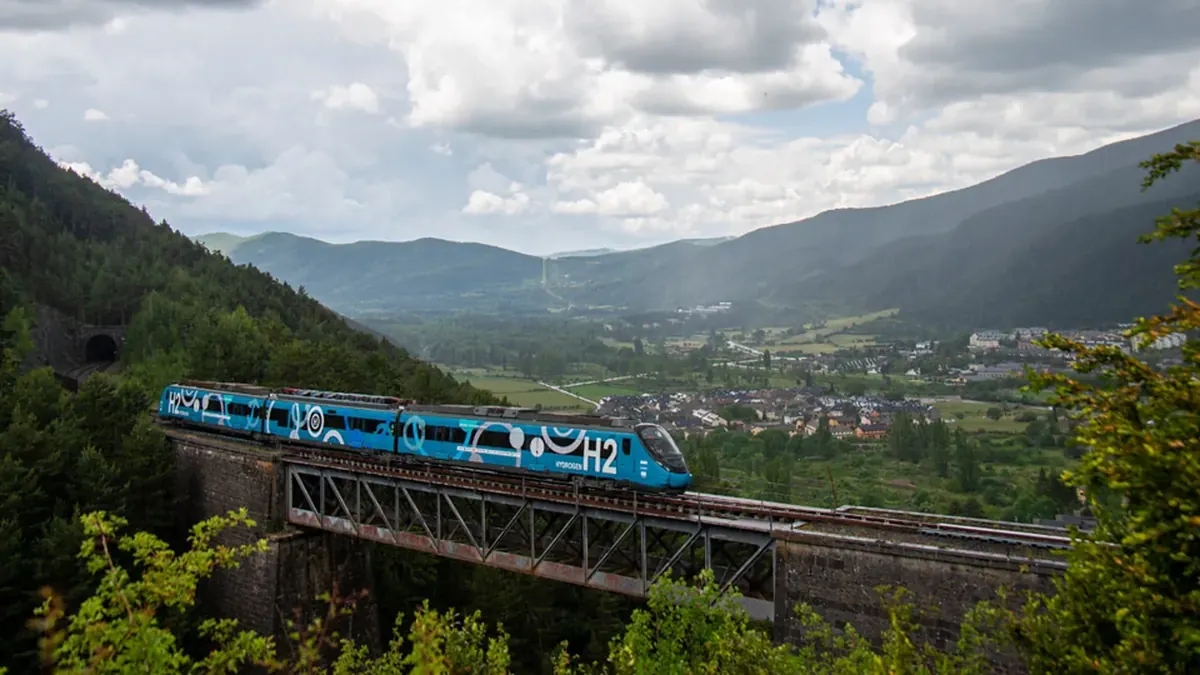
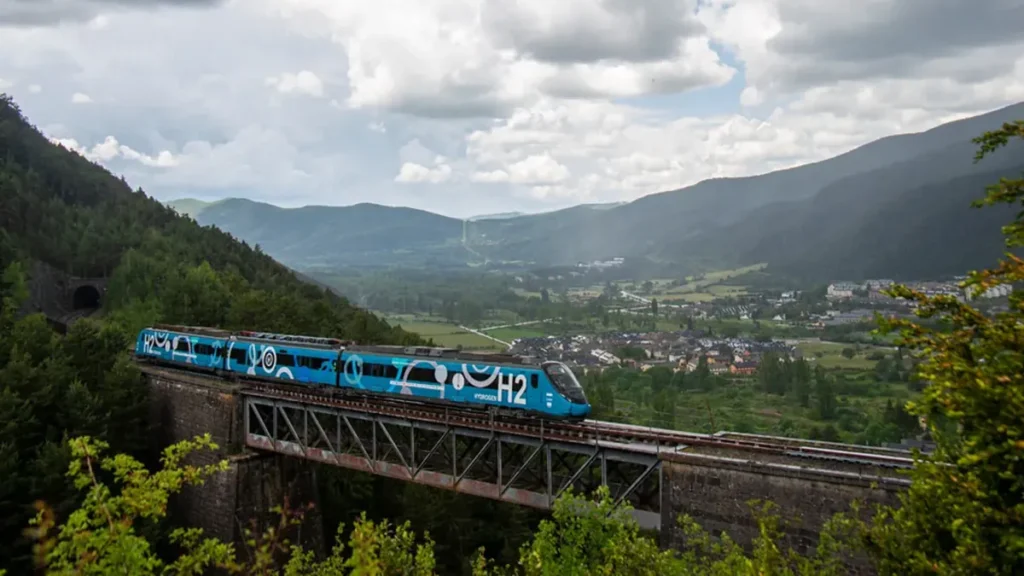
Spain has also tested a hydrogen option through the European FCH2RAIL project. A hydrogen-based bi-mode prototype train—based on the Civia platform and belonging to Renfe—has been equipped to run in electric mode as well as in hydrogen mode, using a hybrid setup based on hydrogen fuel cells and batteries, as described by Adif. In Spain, trials took place on the Zaragoza–Canfranc line and on lines in Madrid and Galicia.
News on railway transport, industry, and railway technologies from Railway Supply that you might have missed:
Find the latest news of the railway industry in Eastern Europe, the former Soviet Union and the rest of the world on our page on Facebook, Twitter, LinkedIn, read Railway Supply magazine online.
Place your ads on webportal and in Railway Supply magazine. Detailed information is in Railway Supply media kit