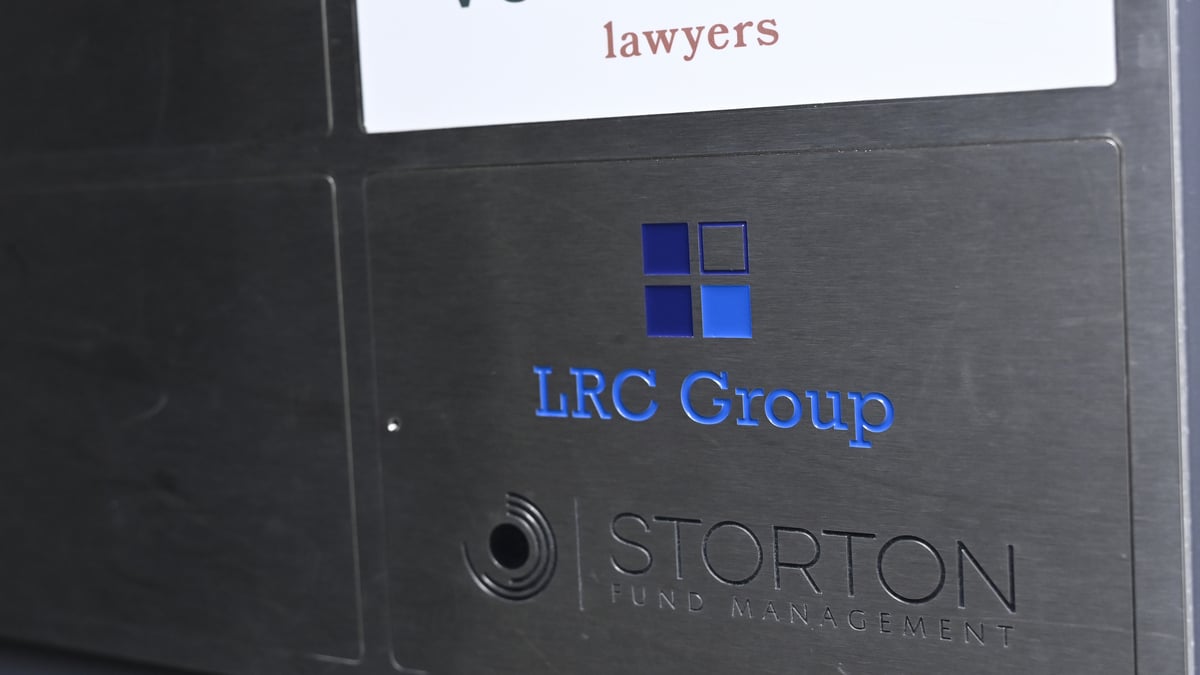
A Luxembourg-based real estate fund, LRC RE-1, has been issuing eviction notices in Ireland by relying on a provision of Irish rental law that allows landlords to terminate long-term leases once fixed cycles end, even when tenants are not at fault.
These fixed cycles arise under Part 4 of the Residential Tenancies Act 2004. Until 11 June 2022, Irish law permitted no-fault termination of Part 4 tenancies whenever a six-year tenancy cycle came to an end, allowing landlords to end leases without any wrongdoing by the tenant.
Ireland’s Residential Tenancies Board (RTB) figures show that at least 89 notices out of the 191 terminations served by LRC RE-1 to Irish tenants were issued under Part 4 rules. A further 34 notices in the first half of 2024 of LRC RE-1’s notices relied on Part 4 tenancy expiry.
What is a ‘Part 4 tenancy’
Part 4 tenancies applied to most Irish rental contracts entered into before June 2022. After six months, tenants gained security of tenure for a fixed cycle (four or six years depending on start date).
At the end of that cycle, landlords could terminate the tenancy without giving a specific reason, provided correct notice was served. While landlords were required to cite a statutory ground in the notice, “expiry of the Part 4 tenancy” itself constituted a valid ground and did not require tenant fault or future action by the landlord.
The Residential Tenancies (Amendment) Act 2021, which came into force in June 2022, abolished this no-fault expiry for new tenancies, but the change does not apply retrospectively, leaving many long-term tenants still exposed today.
The Act did not abolish Part 4 tenancies themselves, which continue to apply to both pre- and post-2022 rental contracts.
© Photo credit: Shutterstock
LRC Group entered the Irish market in 2017, acquiring hotels and residential portfolios linked to post-financial-crisis loan disposals. Its portfolio is managed in Ireland by Home Club Ltd.
As of 2023, LRC RE-1 owned 2,036 residential properties across Ireland, concentrated in Dublin and Cork but extending to Limerick, Kildare, Louth, Meath, Galway, Mayo, Cavan, Offaly and Tipperary.
LRC RE-1 subsidiaries issued at least 191 eviction notices in 2023, data shows. © Photo credit: Shutterstock
They are held through a network of 31 subsidiary companies, 25 of which are registered in Cyprus – including Xerico Limited and Jersia Limited – while several LRC directors are based outside Ireland, including Luxembourg and London.
Eviction notices issued in 2023 were equivalent to over 9% of their Irish rental stock, according to RTB data. Across the private rental sector, approximately 8% of tenants received eviction notices during the same year.
LRC RE-1’s Irish portfolio was valued at over €630 million in 2024, according to its annual results, contributing to a total investment property base of €676 million across Ireland and the UK. The fund reported €40.4 million in rental income in 2024 and total assets of €703.7 million.
Also read:Luxembourg City rents most expensive of any European capital, study shows
‘A glaring loophole’
The Community Action Tenants Union (CATU) – a tenant advocacy organisation that campaigns for renters’ rights – monitors evictions and maintains a database of landlord activity. It has described the continued use of Part 4 tenancy expiry as a “glaring loophole” without giving tenants a practical reason for their eviction, because the expiry of the tenancy cycle itself counts as a valid statutory reason.
“Loopholes in the system will continue to be exploited disproportionately by large, well-resourced landlords,” the organisation wrote in an investigation published on its website.
Since 2023, the CATU has organised protests against institutional landlords, including LRC RE-1 – with the last one last July – and has carried out research into eviction practices in the private rental sector.
Through its website and social media, the CATU has also raised concerns about other practices it deems abusive, such as properties not being sold within legally required timeframes after leases were terminated on the grounds of sale. This potentially breaches Section 34 of the Residential Tenancies Act 2004, which requires landlords to carry out the stated reason for terminating a tenancy.
In one case on Howth Road in Dublin, a notice of termination was served on the grounds that the landlord intended to sell the property, documents seen by Luxembourg Times show. The RTB upheld the notice as valid. More than a year after the tenant vacated, however, the property did not appear in either the land registry or stamp duty registry.
Also read:Sky-high rents, unresponsive landlords: your worst tenant stories
Tenants may challenge notices through the RTB, or notices may be found invalid due to procedural or legal errors.
A review of dispute records shows that several notices to quit issued by subsidiaries of LRC RE-1 on the grounds of intended sale were ruled invalid, often due to technical deficiencies in the statutory declaration required under the legislation.
Notices issued on the grounds of rent arrears also feature prominently among LRC RE-1 subsidiaries in the RTB database, with arrears in those cases ranging from approximately €570 to more than €19,700, since they constitute a fault-based ground for termination.
Rent nearly doubled
Further details emerged during an RTB tribunal hearing in July, relating to New Maltings, a residential complex on Watling Street in Dublin’s south inner city.
During the hearing, Michelle Savage, manager at Home Club Ltd, said “she had sympathy” for a tenant being evicted by Jersia Limited on the grounds of sale. However, she told the tribunal that the tenant could not purchase the apartment because the landlord had not decided to sell it.
“It may be renovated and upgraded and rented out again, or it may be sold,” Savage said, according to the tribunal report.
Jersia Limited purchased 47 apartments at New Maltings for €7.1 million in April 2018, an average of approximately €151,000 per unit. Advertised rents at the complex have increased significantly in recent years alongside tenant turnover.
A sales brochure shows that rent for Apartment 11 was €750 per month in 2017. By May 2021, the same property was being advertised online for €1,385 per month.
Asked about the increase in June 2021 by the Dublin Inquirer, an LRC Group spokesperson said the figures were “not directly comparable”, stating that the advertised rent included additional costs such as car parking and service charges.
“Rents at New Maltings were set in line with RTB rules,” the spokesperson told Irish media.
Also read:Muddy waters: how legal are Luxembourg’s rental practices?
Subject to the parliamentary scrutiny
The fund’s practices have also been raised in the Irish parliament. In July 2023, Deputy Paul Murphy described LRC RE-1 as “precisely the sort of parasitic corporate landlord” attracted to the Irish market.
Concerns about LRC RE-1’s eviction practices have also been raised in relation to Applewood, a large housing development in Swords, a town 10km north of Dublin. Tenants in the development, including families with children, faced eviction notices issued by LRC subsidiaries.
In a parliamentary question, Murphy alleged the Luxembourg-based fund “had failed to maintain properties, charged high rents”, and used Part 4 terminations to remove families with children. Murphy also raised concerns that LRC had attempted to circumvent rent controls by charging for additional services.
However, the question did not receive any response at the time by Prime Minister Leo Varadkar.
The Luxembourg Times contacted several families and tenants for comment but did not receive a reply.
‘Public money is being used to keep rents inflated’
The fund earns some of its rental income through the Housing Assistance Payment (HAP) scheme, under which the state subsidises rent for low-income households.
Freedom of Information (FOI) data released by a local authority shows that LRC subsidiaries received €2.12 million in HAP funds in 2023 and €1.35 million between January and October 2024, totalling nearly €3.5 million over that period.
“Public money is being used to underwrite a business model that displaces tenants and keeps market rents inflated,” said the CATU.
Also read:EU set to pay out €10m for Luxembourg housing allowance next year
RTB figures show more than 5,700 landlord-initiated notices to quit were issued in a single quarter of 2023, with sale and tenancy expiry among the most common grounds.
Housing and tenant organisations have been calling for reforms including banning evictions for sale by large landlords, applying unlimited-duration tenancies retrospectively, and requiring properties to be sold with tenants in situ.
From 1 March 2026, the Irish government plans to introduce minimum six-year tenancies for new rental contracts, with nationwide rent caps and restrictions on evictions for sale or refurbishment by large landlords.
However, these protections will not apply to existing tenancies, meaning older contracts – including many held by LRC RE-1 tenants – will remain subject to current rules.
The Luxembourg Times contacted LRC Group and Home Club with a request for comment and an interview in relation to the fund’s eviction practices and use of Part 4 tenancy terminations. No response was received by the time of publication.
Also read:Judge evicts 67-year-old woman in year-long dispute with landlord