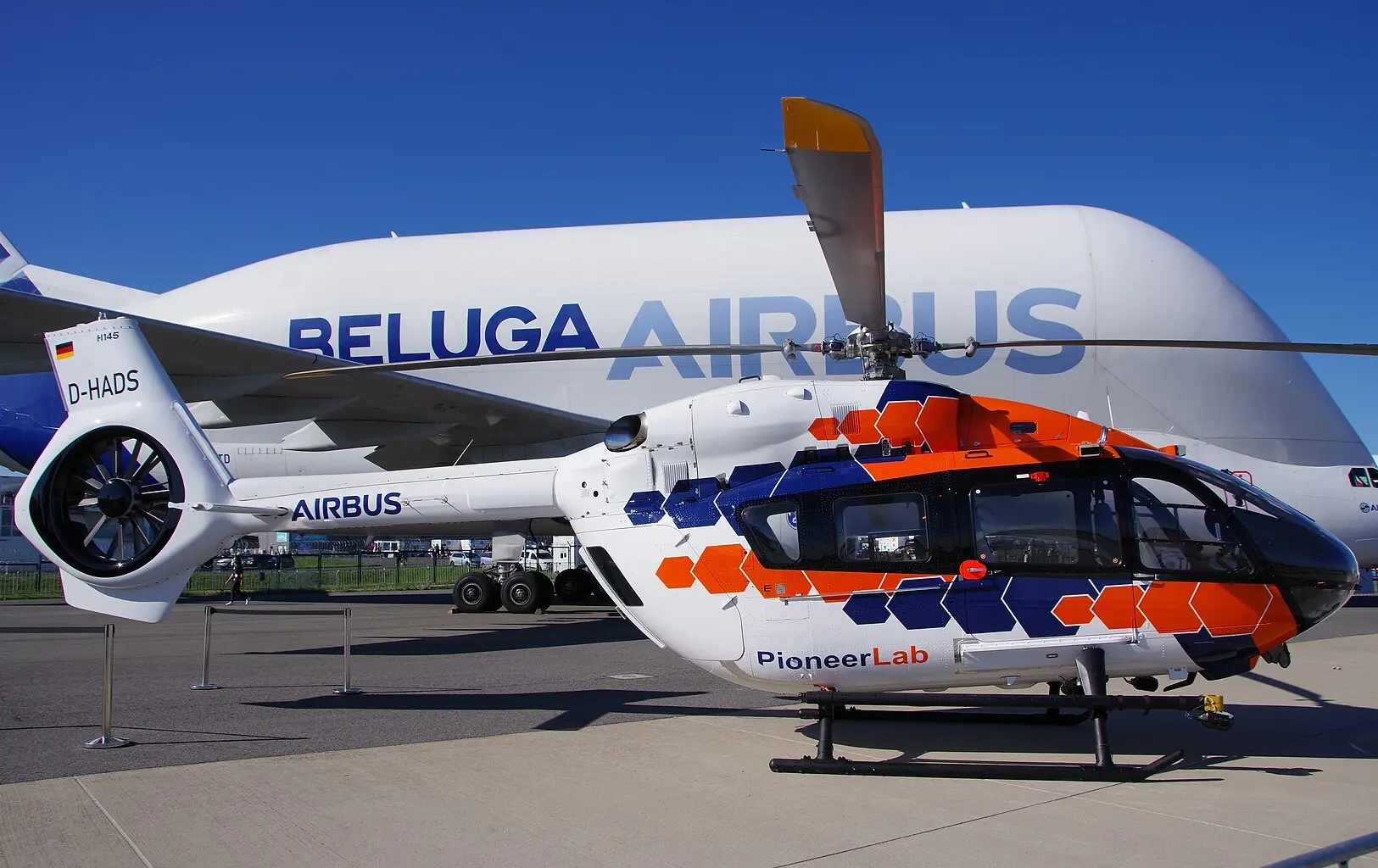
TOLOUSE- Airbus has warned that escalating trade tensions between Washington and Beijing are already causing tangible harm to its industrial operations and financial performance. Chief Executive Officer Guillaume Faury told employees that the current geopolitical climate represents an unprecedented crisis for the aerospace sector.
The warning was issued as Airbus manages production across a complex global footprint that includes major facilities in Toulouse and Tianjin. Faury stressed that the company must rely on internal strength, operational discipline, and supply-chain resilience to navigate the ongoing disruption.
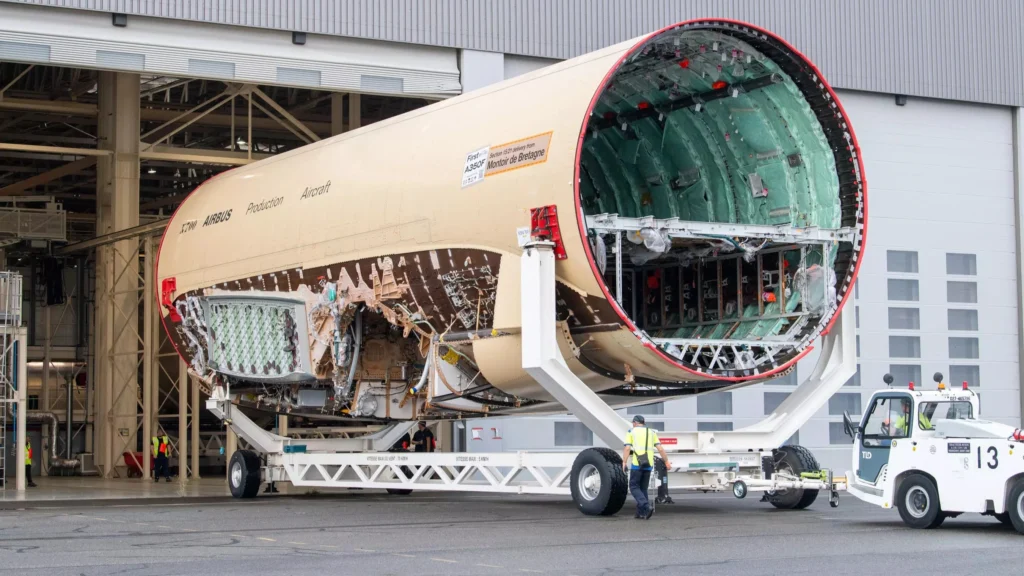 Photo: Airbus
US-China Trade War Impact on Airbus
Faury described the US-China trade war as no longer theoretical, stating that logistical delays and financial strain have already materialized across Airbus programs.
Export restrictions, licensing controls, and protectionist policies have disrupted the movement of engines, avionics, and other critical aircraft components.
Airbus assembles aircraft in China, which exposes final production lines to any interruption in cross-border parts flows.
A single delayed or blocked subcomponent can halt deliveries, increase costs, and force costly rescheduling across multiple assembly sites.
The CEO emphasized that these challenges demand solidarity across Airbus teams while reinforcing the need for self-reliance.
He urged employees to remain adaptable as geopolitical decisions increasingly influence factory-level outcomes.
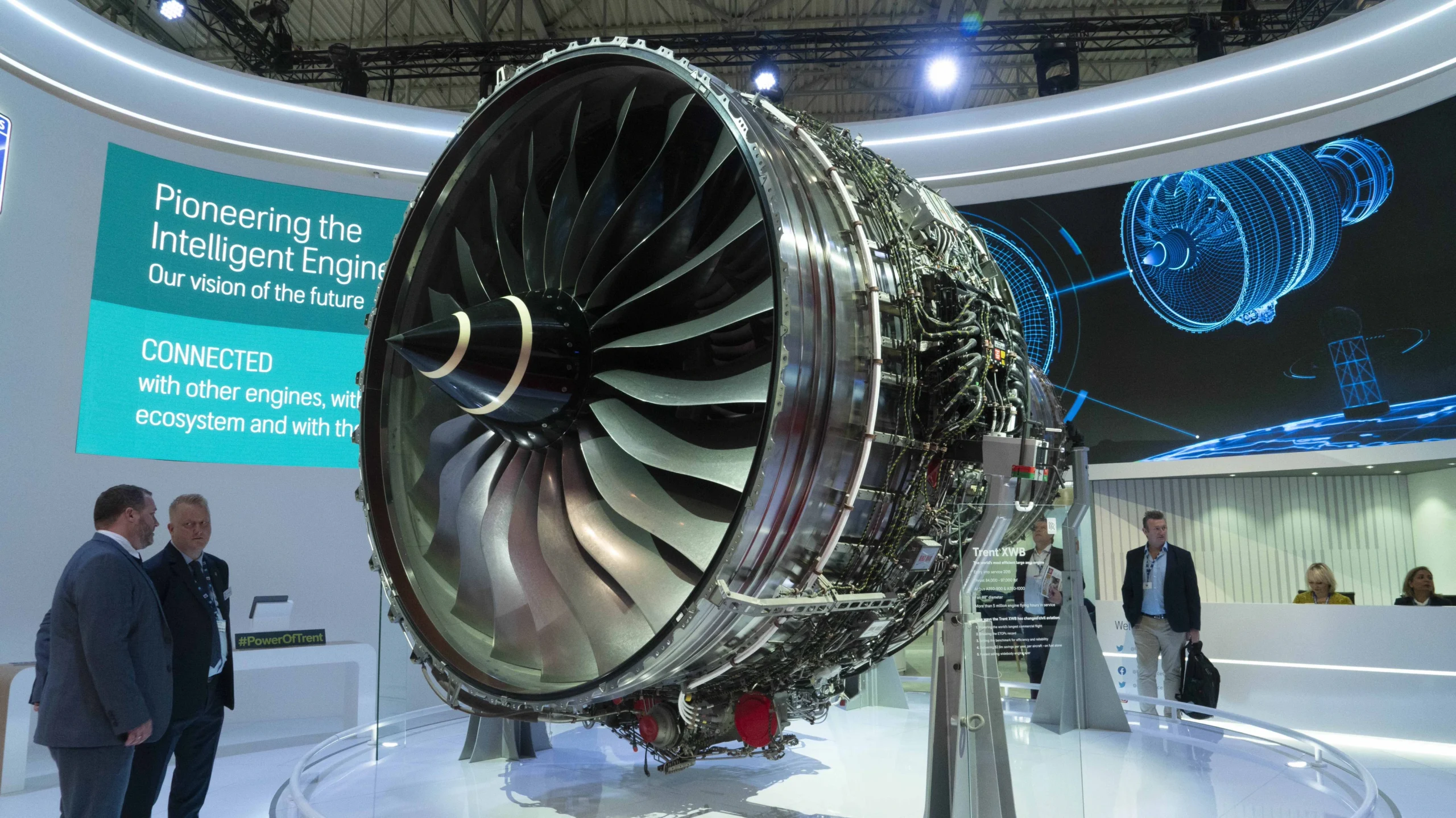 Photo- Rolls-Royce (X)
Supply Chain Pressure
Airbus continues to face strain across its supply chain as it works to stabilize production and increase output of its A320-family aircraft. The manufacturer has encountered persistent delays in engine deliveries from suppliers, which have already affected delivery schedules.
Quality-related setbacks have also complicated execution, including software issues and flawed fuselage panels that prompted delivery adjustments.
According to Simple Flying, while Airbus achieved solid results in 2025, Faury acknowledged that execution discipline must improve to protect long-term competitiveness.
The company is pursuing supplier diversification and greater flexibility in production planning to reduce exposure to future shocks. These measures are critical as Airbus prepares for its next narrowbody development cycle.
 Photo: Airbus
Financial Implications
Trade friction directly affects Airbus’ cash flow by delaying aircraft handovers, which determine when payments are received. Although Airbus delivered 793 aircraft in 2025, up from 766 the previous year, deliveries were backloaded due to engine supply constraints.
Late deliveries inflate inventory levels and increase working capital requirements. Management has acknowledged that these factors weighed on free cash flow before customer financing effects were included.
Further export-control disruptions could intensify financial pressure by forcing additional production re-planning. Airbus remains cautious as it balances investment needs with the requirement to maintain delivery reliability.
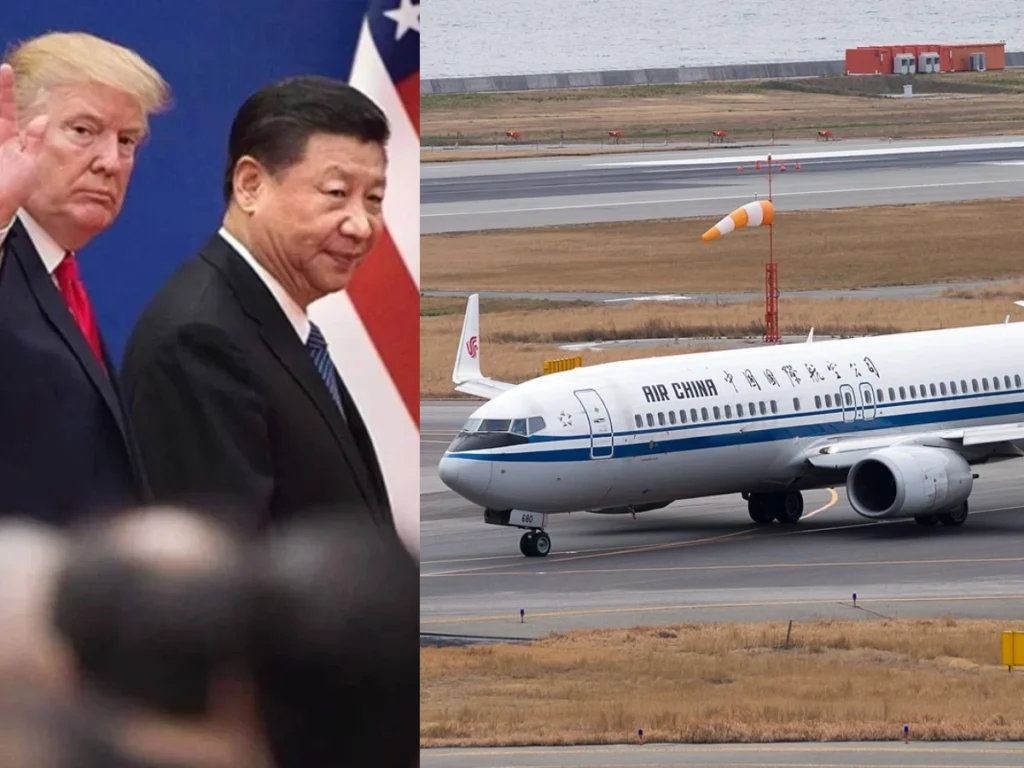 Photo- Wikimedia Commons; Compiled By Aviation A2Z
Bottom Line
Airbus faces mounting pressure as US-China trade tensions collide with an already strained aerospace supply chain.
While leadership remains confident in the company’s ability to adapt, sustained self-reliance and execution discipline will be critical to protecting margins and funding future aircraft programs.
Stay tuned with us. Further, follow us on social media for the latest updates.
Join us on Telegram Group for the Latest Aviation Updates. Subsequently, follow us on Google News