Published on
January 27, 2026
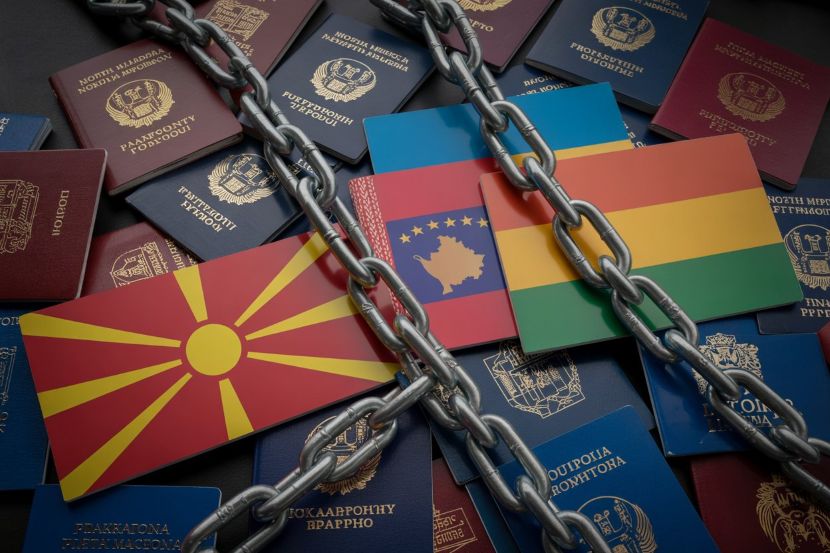 North Macedonia: A Passport in the Shadows
North Macedonia finds itself in a difficult position when it comes to global mobility. The country’s passport ranks in a less powerful tier on the Henley Passport Index, meaning that North Macedonian citizens have relatively limited access to the world. With visa-free access to only around 120 countries, it sits far behind Western European and EU member state passports that boast visa-free access to over 180 destinations.
The lack of visa-free access to key countries such as the United States and many parts of Western Europe places significant limitations on the travel freedom of North Macedonian citizens. While the country is making progress towards EU membership, this slow process still prevents citizens from enjoying the same level of mobility as their counterparts in the EU. For many people in North Macedonia, the dream of seamless travel remains out of reach due to the barriers imposed by visa restrictions. Until the country secures full integration into the European Union or establishes stronger diplomatic agreements, its passport will likely continue to offer restricted mobility.
Kosovo: One of Europe’s Most Restricted Passports
Kosovo, a country in Southeast Europe, has one of the most restricted passports in Europe. With access to only around 86 destinations visa-free, Kosovo’s passport holders face enormous challenges when it comes to traveling abroad. This limited access places Kosovo in a much weaker position compared to most other European nations.
The reason for Kosovo’s restricted passport strength lies in its political status. Kosovo declared independence from Serbia in 2008, and although many countries have recognized Kosovo as an independent state, a few have not. This lack of widespread recognition has made it harder for Kosovo to negotiate international travel agreements and secure visa-free access with many key destinations. While Kosovo is working to improve its diplomatic relations, its passport restrictions remain a major barrier for its citizens. This lack of mobility hampers opportunities for business, education, and tourism, making it one of Europe’s most isolated countries in terms of global access.
Advertisement
Advertisement
Advertisement
Advertisement
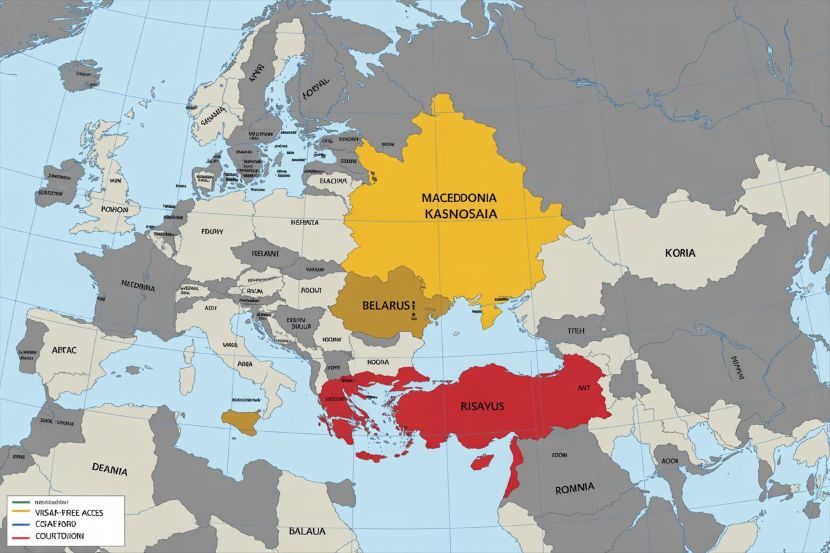
Belarus: Limited Global Mobility Despite Size and Power
Belarus, one of Europe’s larger countries, faces similar challenges when it comes to travel freedom. With visa-free access to approximately 79 countries, Belarus ranks relatively low compared to other European nations. The Belarusian passport is often considered one of the weakest in Europe, especially when compared to EU passports, which grant easy access to much of the world.
The limitations on Belarus’s global mobility are a direct result of its diplomatic isolation. In recent years, Belarus has faced increasing political and economic sanctions, especially from the European Union and United States, due to the country’s political environment and leadership. These tensions have resulted in visa restrictions for Belarusian citizens. Many Western countries, including the US and Canada, require Belarusian passport holders to apply for visas, while Schengen Area countries and the UK do not offer visa-free access. For the people of Belarus, these travel restrictions create barriers to opportunities that many other Europeans take for granted. Without a change in foreign policy and international relations, Belarus’s travel freedom will continue to be severely limited.
Advertisement
Advertisement
Romania: A Member of the EU, But Still Limited in Mobility
Romania is an EU member state, but its passport strength still falls short when compared to some of its EU counterparts. With visa-free access to about 179 countries, Romania ranks below many Western European and EU countries. Despite being part of the European Union, Romania is still one of the lower-ranking passports in the EU in terms of global mobility.
While Romanian citizens can travel freely across most of Europe and to some non-Schengen destinations, they still face visa restrictions for major countries like the United States, Canada, and Australia. This puts Romania in a difficult position, as its citizens are often required to go through complicated visa application processes when traveling to key destinations outside of the EU. The issue with Romania’s passport power comes down to political factors that continue to influence visa policies, particularly with countries like the United States. Even though Romania is a member of the EU, its passport does not provide the same level of global freedom as Western European countries like Germany or France. This highlights the ongoing struggle for complete global mobility even for EU citizens.
Advertisement
Advertisement
The Global Mobility Divide: Why These Countries Face Restrictions
The passport limitations faced by North Macedonia, Kosovo, Belarus, and Romania are not just about a number of visa-free destinations. These countries are caught in a global mobility divide that reflects deeper diplomatic, economic, and political factors. The Henley Passport Index reveals how geopolitical tensions, regional disputes, and diplomatic relations shape the global mobility of citizens. Countries that are not part of the EU or have strained international relations often face visa restrictions and diplomatic hurdles that prevent their citizens from traveling freely.
For these nations, passport strength is directly tied to their foreign policy, international recognition, and diplomatic negotiations. Countries like North Macedonia and Kosovo are still in the process of building stronger international alliances, while Belarus and Romania face political and diplomatic hurdles that affect their travel freedoms.
How These Countries Can Improve Global Mobility
To improve global mobility, countries like North Macedonia, Kosovo, Belarus, and Romania need to focus on several key areas:
Strengthening Diplomatic Relations: By improving diplomatic ties with other nations, these countries can work towards visa waivers and greater global mobility for their citizens. Bilateral agreements and regional partnerships will be crucial in breaking down visa barriers.Economic Growth and International Influence: By enhancing their economic stability and global influence, these countries can increase their standing on the global stage, opening up more opportunities for travel freedom.EU Integration and Reform: For North Macedonia, Kosovo, and Romania, full EU membership or Schengen Area access will be key in unlocking unrestricted travel. Strengthening ties within the European Union will lead to more visa-free destinations and easier global access.Political Stability and Reform: In the case of Belarus, political reforms and better relations with Western countries would greatly enhance travel freedom. Improving democratic governance and human rights will allow Belarus to escape its isolated position.
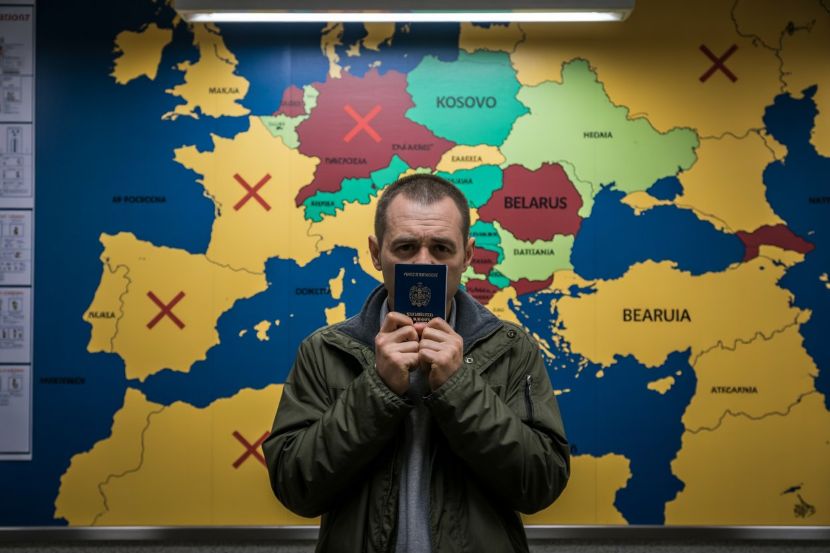
Passport Power and the Fight for Freedom
The Henley Passport Index 2025 reveals that global mobility is a complex issue that goes beyond just having a passport. The cases of North Macedonia, Kosovo, Belarus, and Romania demonstrate how geopolitical factors, diplomatic relations, and political environments can limit a country’s travel freedom, even if it is located within Europe. These countries must work hard to improve their global standing, build stronger international relationships, and address the political obstacles that are holding their citizens back from experiencing the world freely. Until then, their citizens will continue to face visa barriers that others in Europe no longer have to contend with.
