It has now been more than a month since economy minister Caoimhe Archibald published the mid-term review of the Executive’s energy strategy ‘The Path to Net Zero Energy’, which offers a valuable assessment of what has been achieved to date, identifies the barriers slowing progress, and responds to recommendations from the NI Audit Office.
The achievements outlined in the review include an estimated 330 GWh of energy saved from buildings and industry since the introduction of the energy strategy. While reporting lags mean this figure may understate the true progress, it reflects meaningful improvements in energy efficiency across public and private sectors.
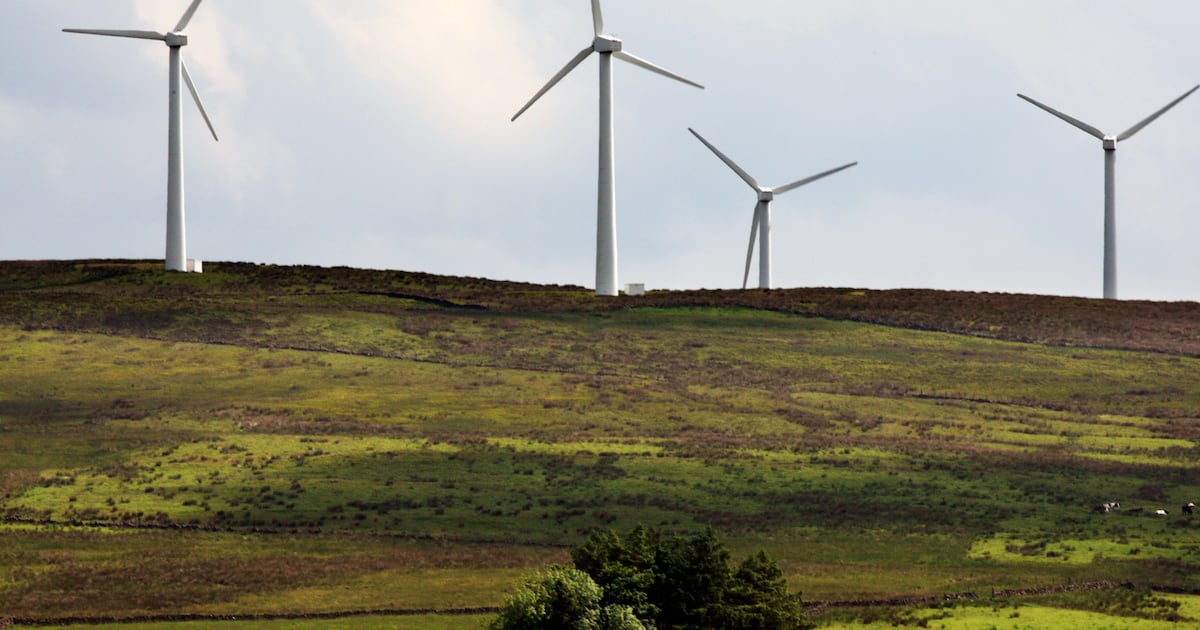
Local renewable generation supplied 44.2% of metered electricity consumption in the year to September 2025, but given this is consistent with levels in 2019 and a decline from the 51.6% peak in 2022 it underscores the importance of addressing infrastructure and system operation constraints to make full use of Northern Ireland’s renewable resources.
Meanwhile, the green economy continues to expand, with turnover in the low-carbon and renewable sector estimated at £1.41 billion in 2023, up from £1.06 billion in 2019. This growth demonstrates the innovation and resilience of local businesses and highlights the economic opportunities arising from the global energy transition.

Yet significant challenges remain. Grid constraints and system stability issues limit the ability to harness renewable electricity fully, while the market dynamics of the all-island electricity market have at times displaced local generation. Capacity and resourcing pressures are growing as energy policy broadens beyond electricity and gas into heat, transport, and emerging technologies – areas that require new skills, legislative frameworks, and multi-year funding commitments.
Regulatory and legislative time scales continue to influence delivery speed, and delays in data reporting make timely assessment of progress difficult. Addressing these barriers will be critical if Northern Ireland is to meet its 2030 targets.
Looking ahead, the next phase of the strategy must be about building on the progress achieved while preparing for the future. The forthcoming energy policy position statement will be pivotal in providing investors with certainty, signalling clear milestones through to 2030 and helping businesses make long-term decisions.
Scaling energy efficiency programmes, investing in grid upgrades, supporting and developing storage solutions, providing a clear policy direction for biomethane and skills development will all be essential.
However, given the ever-changing global geopolitical landscape, policy-makers need to be mindful of focussing all efforts on the energy transition to the detriment of energy security and resilience.
Collaboration between government, industry, and investors can ensure the green economy not only continues to grow but also becomes a driver of energy resilience, sustainable employment, innovation and competitiveness for the region.
Northern Ireland has made tangible progress on its pathway to net zero, but now is not the time for complacency.
 David White, partner at Arthur Cox NI
By focusing on the structural challenges and energy security, supporting businesses to innovate, maximising the opportunities for curtailed renewable energy and providing clarity on future policy, we can turn ambition into significant outcomes and secure a cleaner, fairer, and more prosperous energy future for all.
David White (david.white@arthurcox.com) is corporate and commercial partner at Arthur Cox NI