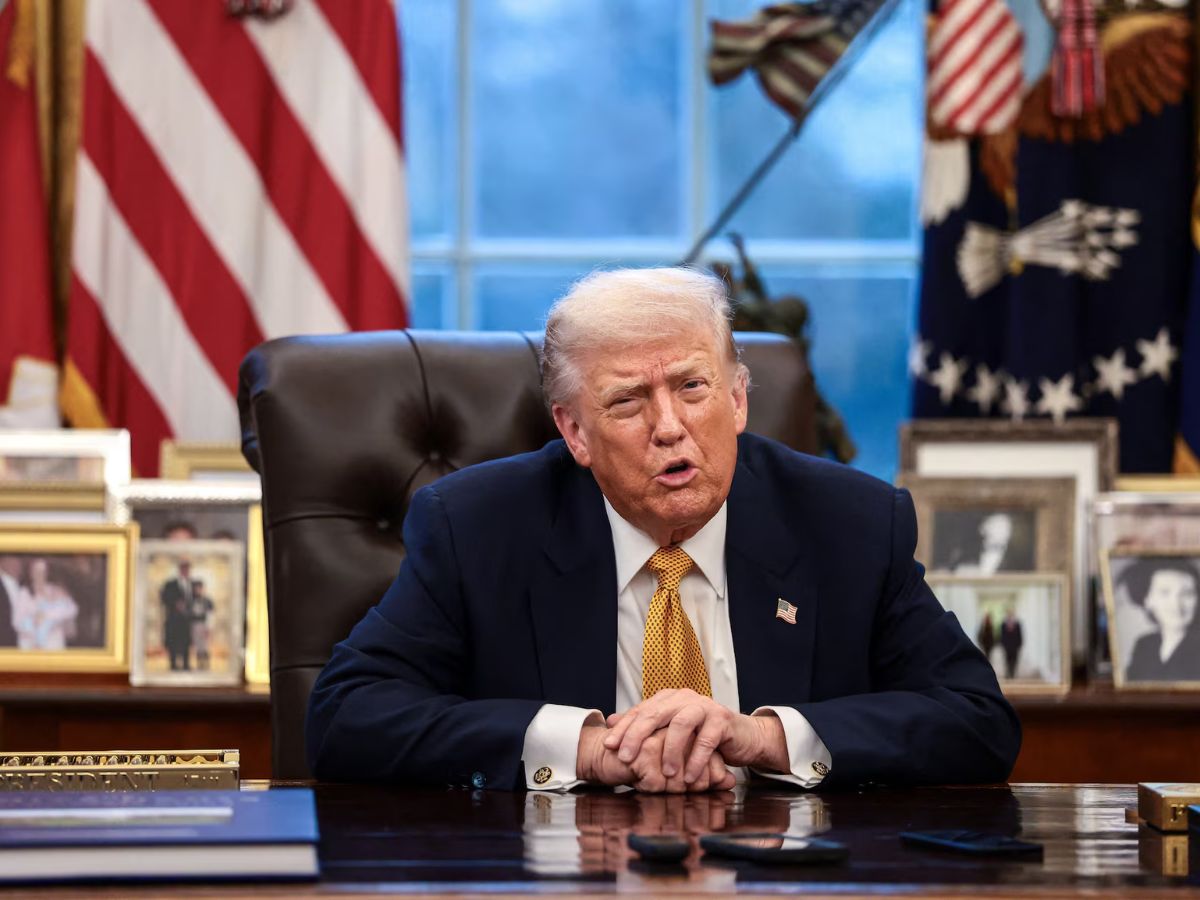
In a geopolitical shockwave that has sent tremors through global markets, US President Donald Trump has unilaterally hiked tariffs on South Korean imports to 25%, accusing Seoul of failing to honour a “historic” trade pact.
The sudden escalation, announced via social media in the early hours of Tuesday, threatens to unravel the delicate diplomatic fabric binding Washington and Seoul. By targeting key sectors like automobiles, lumber, and pharmaceuticals, the White House is sending a blunt message: legislative delays in allied nations will no longer be tolerated, regardless of the economic collateral damage.
A “Historic” Breach of Trust
The crux of the dispute lies in a trade agreement finalized in October 2025, which President Trump claims the South Korean legislature has failed to ratify. “South Korea’s Legislature is not living up to its Deal with the United States,” Trump declared, explicitly citing the delay as the trigger for raising the levy from 15% to 25%. This move is not merely a policy adjustment; it is a punitive strike against a strategic ally.
For South Korea, the economic implications are catastrophic. Analysts estimate that a 10-percentage point tariff hike could slash the operating profits of auto giants like Hyundai and Kia by nearly KES 178 billion ($1.38 billion). The “Special Act on Managing Korea-US Strategic Investments,” which pledged over KES 45 trillion ($350 billion) in US-bound investments, now hangs in the balance as Seoul scrambles to respond.
The Auto Industry Crisis: With Hyundai and Kia exporting over 1.1 million vehicles to the US annually, the new tariffs could cost them an estimated KES 400 billion in additional duties, crippling their competitive edge against American manufacturers.
Diplomatic Scramble: South Korean Trade Minister Kim Jung-kwan, currently in Canada, is rerouting to Washington for emergency talks with US Commerce Secretary Howard Lutnick. Meanwhile, Seoul’s presidential office claims they received no official notice prior to the social media announcement.
Global Ripple Effects: The move has reignited fears of a broader trade war, with the European Union and other US allies watching closely. If Washington can target a loyal partner like South Korea, no trade deal is safe.
The “So What?” for Kenya
While the theatre of this conflict is thousands of miles away, the shockwaves will be felt in Nairobi. A global trade war strengthens the US dollar, potentially weakening the Kenyan Shilling, which is currently trading at approximately 129 KES to the dollar. Furthermore, disrupted global supply chains often lead to inflationary pressure on imported goods, from electronics to machinery, affecting the cost of living for the ordinary mwananchi.
As the standoff intensifies, the world watches to see if Seoul will capitulate to Washington’s demands or retaliate, potentially sparking a trade conflict that could drag the global economy into a recession. President Trump’s gamble is clear: use economic brute force to bypass legislative gridlock. Whether this strategy yields a ratified deal or a ruptured alliance remains to be seen.