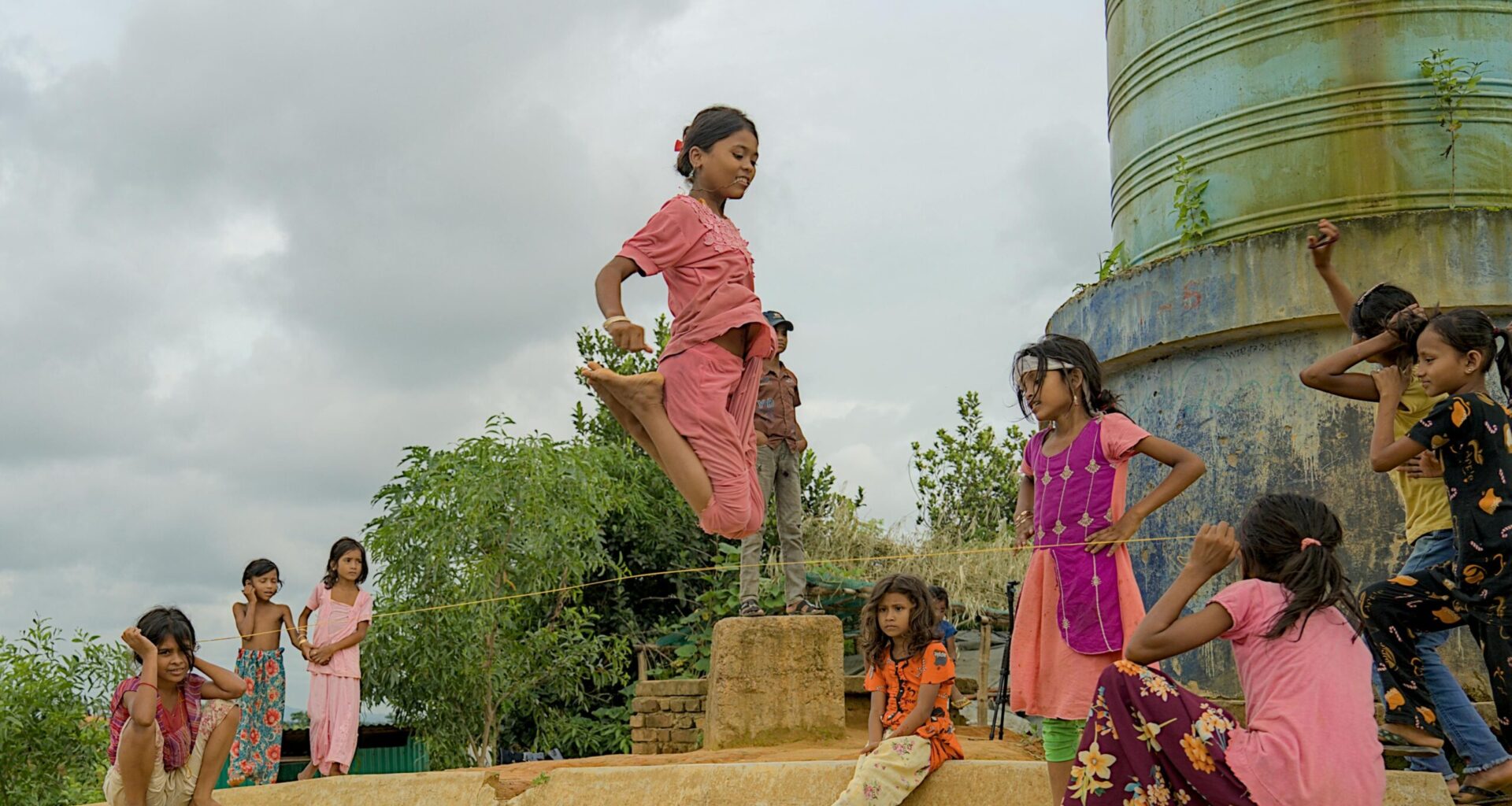
The Rohingya refugee crisis in Bangladesh is often framed through the lens of massive international humanitarian efforts food distributions, shelters, and emergency health care. Yet beyond these visible interventions, a quieter form of peacebuilding takes place every day in the camps of Cox’s Bazar. This work is led not by global agencies, but by local non-governmental organizations (NGOs) that operate at the grassroots level.
When Myanmar’s military launched a brutal counter-insurgency and ethnic cleansing campaign in 2017, more than 750,000 Rohingyas fled to Bangladesh, joining earlier arrivals and forming the world’s largest refugee settlement. Today, over 1.2 million Rohingyas live in Cox’s Bazar and Bhasan Char in extremely dense camps marked by poverty, trauma, insecurity, and restricted mobility. In such a volatile environment, peace is not forged through formal negotiations or political settlements. Instead, it is sustained through what scholars call “everyday peace,” small, relational practices that reduce tension and prevent conflict before it escalates.
While international agencies provide essential life-saving aid, local NGOs play a different but equally critical role. Embedded in local languages, religious practices, and kinship networks, these organizations act as trusted intermediaries between refugees, host communities, and authorities. Their proximity allows them to address conflict in culturally appropriate and timely ways.
The Power of Local Trust
Based on ethnographic fieldwork conducted between 2022 and 2024, I observed four key ways local NGOs help sustain peace in Cox’s Bazar’s camps.
First, youth engagement initiatives such as peace clubs, sports programs, and informal learning spaces offer young people alternatives to violence. These spaces foster dialogue, cooperation, and a sense of belonging in an environment where frustration and boredom often fuel violence.
Second, community mediation plays a crucial role in resolving everyday disputes. Trained volunteers and respected community members help settle domestic conflicts, inter-household tensions, and minor disagreements quickly and informally, preventing escalation in a context where formal justice mechanisms are largely absent.
Third, gender-sensitive and psychosocial programs address trauma and domestic violence through women’s circles and counseling spaces such as Shanti Adda (“peace conversations”). These initiatives allow women to process loss, build solidarity, and mediate family conflicts, forms of peacebuilding that are often invisible but deeply transformative.
Finally, rumor management is essential in a setting where misinformation can spark panic or violence. Local NGOs rely on trusted community messengers to verify and share accurate information about aid, health emergencies, or security threats, countering fear before it spreads.
Together, these practices form an informal infrastructure of peace one grounded in trust, empathy, and everyday relationships rather than formal institutions.
Breaking the Structural Bottleneck
Despite their vital role, local NGOs face significant constraints. Most rely on short-term, project-based funding that prioritizes quick, measurable outputs over long-term social change. Bureaucratic approval processes and restrictive regulations often limit innovation and autonomy. Operating in a highly controlled political environment, NGOs frequently avoid rights-based language, framing peace work as “education” or “family welfare” to reduce the risk of backlash.
Moreover, although global donors increasingly promote “localization,” local NGOs are often treated as subcontractors rather than equal partners. Their voices remain marginal in decision-making spaces, and their deep contextual knowledge is rarely reflected in program design.
A Path Forward for Sustainable Peace
If the international community is serious about sustaining peace in the Rohingya camps, it must move beyond symbolic inclusion. This means providing flexible, multi-year funding that allows local NGOs to invest in long-term peacebuilding. It requires including local actors in coordination and planning processes, not just implementation. Streamlining bureaucratic approvals and supporting refugee- and host-led initiatives can further strengthen ownership and trust.
Peace in Cox’s Bazar is not a distant dream negotiated in Geneva. It is rebuilt daily in classrooms, kitchens, courtyards, and community centers by people who choose dialogue over violence. Recognizing and supporting these “minor” acts of peace is not optional. It is essential for any durable humanitarian response.
Keywords: Bangladesh, Rohingya, Myanmar, refugees, refugee camps, Cox’s Bazar, NGOs, local, peace, conflict, conflict resolution
Sheikh Mehzabin
Sheikh Mehzabin Chitra is an anthropologist, human rights advocate, and researcher focused on marginalized communities, displacement, and grassroots peacebuilding. Her work combines ethnographic research with journalism and policy analysis to amplify voices from the margins and examine how everyday practices sustain peace in humanitarian settings.