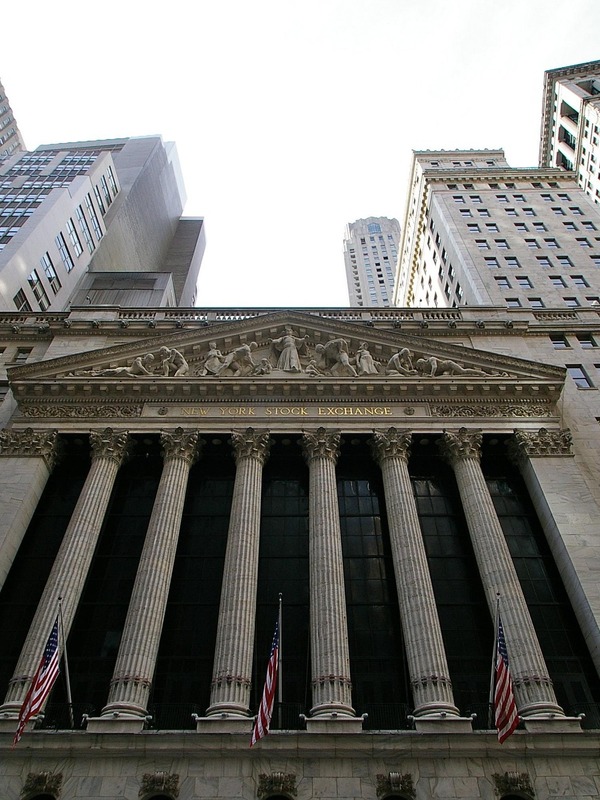
Wall Street’s blue chips just staged a tense, whipsaw session as traders reprice Fed expectations, bond yields, and recession odds all at once. The Dow Jones is sending mixed signals while social media screams both ‘crash’ and ‘buy the dip’. Here is what’s really going on under the hood.
Get the professional edge. Since 2005, the ‘trading-notes’ market letter has delivered reliable trading recommendations – three times a week, directly to your inbox. 100% free. 100% expert knowledge. Simply enter your email address and never miss a top opportunity again. Sign up for free now
Vibe Check: The Dow Jones is in one of those nerve?racking, mood?swing phases where every headline feels like a make?or?break signal. Instead of a clean trend, we are seeing a choppy, grinding move that screams uncertainty: hesitant rallies, sudden intraday reversals, and a market that looks like it is constantly second?guessing itself.
This is classic late?cycle behavior: blue chips are no longer exploding higher in a clean, euphoric breakout, but they are not collapsing in a full?blown crash either. Think stretched rubber band: the longer this sideways?to?fragile environment lasts, the more violent the eventual move can be.
The Dow right now looks like a battleground between long?term bulls who still trust the US economy and short?term bears who are laser?focused on tighter financial conditions, sticky inflation pockets, and valuation hangovers after the last big rally.
The Story: What is actually driving this strange, indecisive vibe on Wall Street?
1. The Fed & Rates – From Pivot Hype to Patience Mode
The dominant macro driver is still the Federal Reserve. After months of traders front?running an aggressive rate?cut cycle, the narrative is shifting. Recent Fed commentary has leaned more cautious: yes, inflation has cooled from its peak, but parts of the economy are still too hot for the Fed to just slam the accelerator on easy money.
Bond yields have reacted with sharp swings instead of a smooth decline. When yields spike during the session, the Dow often sees a quick, uncomfortable air?pocket lower, especially in interest?rate?sensitive sectors like industrials, financials, and real estate. When yields ease off, dip buyers suddenly appear, trying to defend this broad consolidation zone.
The macro message: the era of free money is over, but the era of crippling tightness might be easing very slowly. That in?between zone is exactly where the Dow tends to chop sideways with a slight downside bias whenever growth scares pop up.
2. US Economy – Soft Landing Hopes vs. Slowdown Fears
CNBC’s US markets coverage is locked on the eternal question: is this a soft landing or the setup for a delayed recession?
On the one hand, the labor market is no longer insanely overheated. Job growth has cooled from the boom phase, wage pressures are less intense, and consumer spending is turning more selective. That takes some pressure off inflation and the Fed.
On the other hand, consumer confidence readings, retail data, and some manufacturing indicators show pockets of weakness. Households are getting tired; savings buffers from the pandemic era are mostly gone, credit card balances are heavier, and higher rates are slowly biting into big?ticket purchases.
This is why the Dow’s move feels cautious: blue chip investors are pricing in a slower, more mature phase of the cycle, not a hyper?growth, speculative mania. That means more focus on quality earnings, strong balance sheets, and reliable cash flows, and less tolerance for disappointments.
3. Earnings Season – Blue Chips Under the Microscope
The latest earnings season is not about “blowout numbers at any price.” It is about guidance and resilience. CNBC’s coverage of US earnings shows a market that is very unforgiving when big names miss or guide cautiously.
For the Dow, that translates into sharp single?stock moves inside the index. One or two household names in banking, consumer, or industrials can trigger a noticeable intraday drag when they miss expectations or warn about weaker demand. Conversely, when a heavyweight delivers solid numbers and confident forward guidance, the index quickly stabilizes, and the bulls try to push the market back into its broader consolidation band.
The big theme: quality is king. Wall Street is rewarding companies with robust margins, pricing power, and strong cash return policies, and punishing any sign of cracks in the story.
4. Inflation & Bonds – The Invisible Hand Behind Every Candle
Every CPI, PPI, or inflation?related data drop has become a volatility event. When numbers come in cooler than feared, futures spike, risk?on sentiment fires up, and the Dow edges toward a relief push higher. When inflation surprises on the hot side, rate?cut dreams get pushed further out, yields jump, and the Dow suffers a quick risk?off wave.
Bond yields are effectively the gravity of this market. High and rising yields put pressure on valuations and tilt the mood toward “earn it or get punished.” Moderating yields ease the pressure and invite rotation into cyclical and industrial plays.
Social Pulse – The Big 3:
YouTube: Check this analysis: Dow Jones & US Stock Market Live Analysis
TikTok: Market Trend: #dowjones on TikTok
Insta: Mood: #us30 on Instagram
On YouTube, live trading streams and nightly recaps are split. Some creators push the “imminent crash” narrative, pointing to stretched valuations, macro headwinds, and technical exhaustion. Others double down on “buy the dip,” arguing that as long as the US avoids a deep recession, large?cap value and quality stocks on the Dow are still underappreciated.
TikTok is full of fast?cut clips showing chart breakdowns, red candles, and warnings about leverage, while Instagram traders are posting both flex screenshots of winning Dow longs and frustrated posts about getting chopped up in sideways price action. The social pulse is confused, which fits perfectly with what the chart is actually doing.
Key Levels: The Dow is circling a wide, important trading zone rather than a clean directional trend. Think of it as a broad battlefield with a heavy resistance band overhead and a crucial support shelf underneath. Bulls are desperately trying to defend that lower zone to avoid a full sentiment breakdown, while bears want to push price into a steeper corrective slide. Until one side wins, expect ugly whipsaws around these important zones.Sentiment: Neither side owns Wall Street right now. The bulls still have the long?term macro tailwind of US economic resilience and the possibility of future rate cuts. The bears have valuation fatigue, earnings risks, and the fear that “higher for longer” rates will eventually crack something in credit or employment. The result: a tug?of?war where intraday sentiment flips quickly from greed to fear and back again.
Technical Scenarios the Pros Are Watching
Scenario 1: Bullish Breakout from a Tired Range
If incoming economic data confirm a soft?landing path – steady growth, easing inflation, and a patient but not overly aggressive Fed – the Dow could stage a renewed upside drive. That would mean a clean breakout from the current sideways band, confirmation of higher highs on the chart, and a fresh leg of the bull market, led by industrials, financials, and strong consumer brands.
For this to play out, bond yields must stabilize or drift lower, and earnings guidance needs to stay constructive. No serious credit accidents, no sudden spike in unemployment, and no inflation re?acceleration. If those conditions hold, every pullback in the Dow becomes a “buy the dip” opportunity for swing traders and long?term investors.
Scenario 2: Deep Correction – From Choppy Drift to Hard Reset
If inflation data reheat, the Fed leans more hawkish, or a big earnings or credit scare hits the tape, the current sideways pattern can break down into a more aggressive sell?off. That would look like a decisive punch through the lower support zone, accelerating downside momentum, and rising volatility as late bulls rush for the exit.
In that case, bears would gain the upper hand, and the narrative would shift from “healthy consolidation” to “failed rally” and “late?cycle rollover.” This is the environment where over?leveraged traders get wiped out, and risk management becomes the only thing that matters.
Scenario 3: Extended Sideways Grind – The Pain Trade
The third scenario, and often the most frustrating, is that the Dow simply continues to grind sideways in a wide range, slowly burning both bulls and bears through choppy price action and fake breakouts. That is the classic “max pain” environment: trend traders get whipsawed, short?term options decay into dust, and only disciplined, level?based traders with clear risk limits survive.
Playbook: How a Serious Trader Thinks Here
In this kind of environment, pros are not chasing every flicker on the Dow. They are:
Watching macro catalysts – especially Fed meetings, CPI/PPI, jobs data, and major earnings – as volatility triggers.Focusing on clear zones of interest rather than random entries in the middle of the range.Sizing smaller when volatility spikes and adding only if the trade moves in their favor.Rotating between sectors inside the Dow: leaning into quality, cash?rich names and avoiding the weakest, most cyclically exposed laggards when macro risk heats up.
Conclusion: The Dow Today Is a Risk Filter, Not a Lottery Ticket
The Dow Jones right now is not screaming a clean message like “massive crash” or “blow?off top.” Instead, it is acting as a giant risk filter. It is separating hype from substance, quality from speculation, and patient positioning from reckless leverage.
For risk?aware traders and investors, this is actually opportunity, not chaos. The lack of a one?directional stampede forces discipline: you have to know your time frame, your thesis, and your exit strategy. Whether you lean bull or bear, the current Dow environment demands that you respect macro data, bond yields, Fed signals, and sector?level earnings trends.
Wall Street is not dead. It is just in price?discovery mode, trying to revalue blue chips in a world where money is no longer free, but the US economy is still very far from collapse. That tension is exactly where big swings – and big opportunities for the prepared – are born.
So the real question is not “Will the Dow crash tomorrow?” but “Do you have a plan for all three scenarios: breakout, breakdown, and grind?” Because the index does not care about your opinion – but it will always reward those who manage risk like a pro and wait patiently for high?probability setups instead of chasing noise.
Tired of poor service? At trading-house, you trade with Neo-Broker conditions (free!), but with real professional support. Use exclusive trading signals, algo-trading, and personal coaching for your success. Swap anonymity for real support. Open an account now and start with pro support
Risk Warning: Financial instruments, especially CFDs on indices like the Dow Jones, are complex and come with a high risk of losing money rapidly due to leverage. You should consider whether you understand how these instruments work and whether you can afford to take the high risk of losing your money. This content is for informational purposes only and does not constitute investment advice.