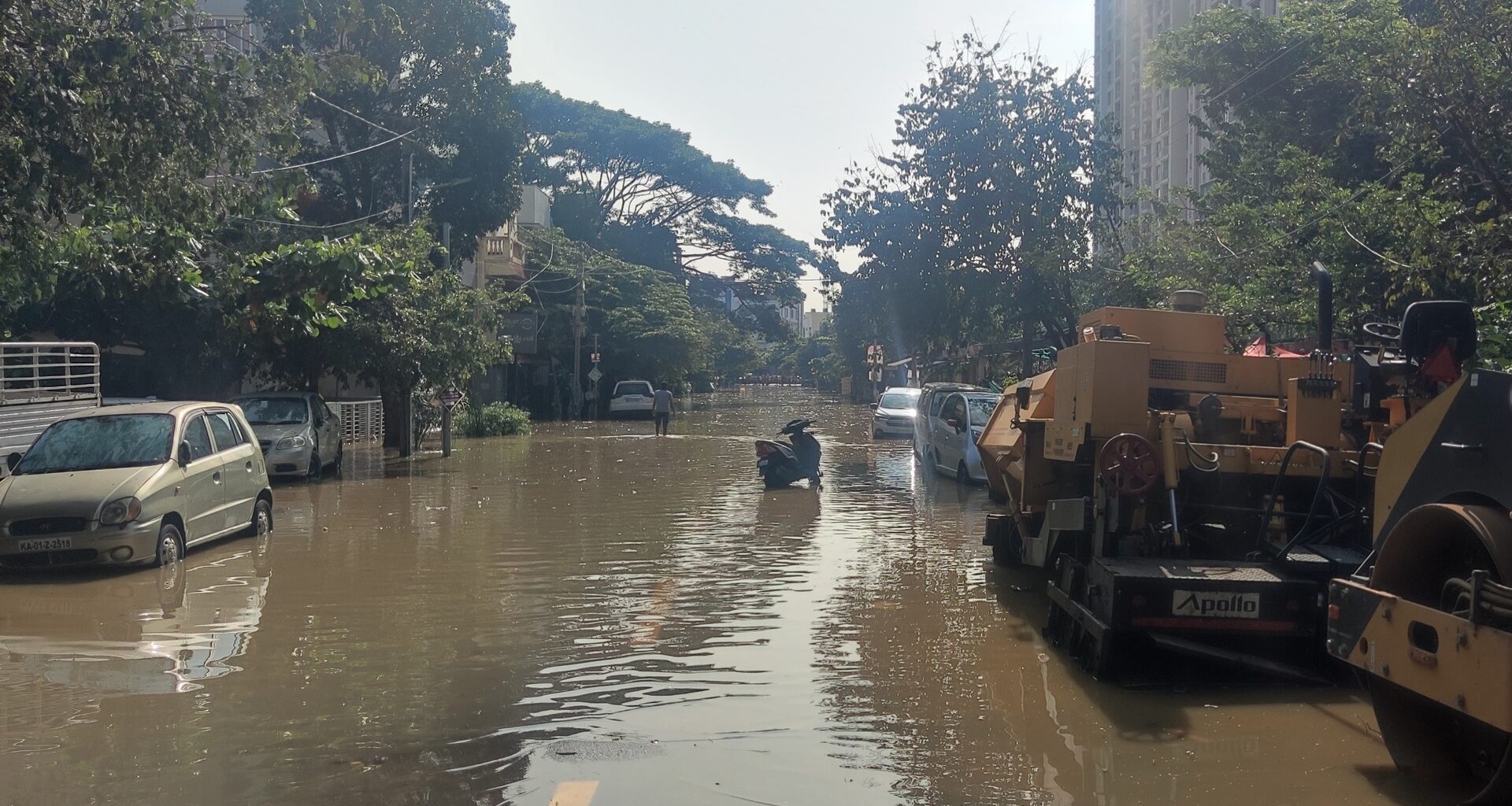
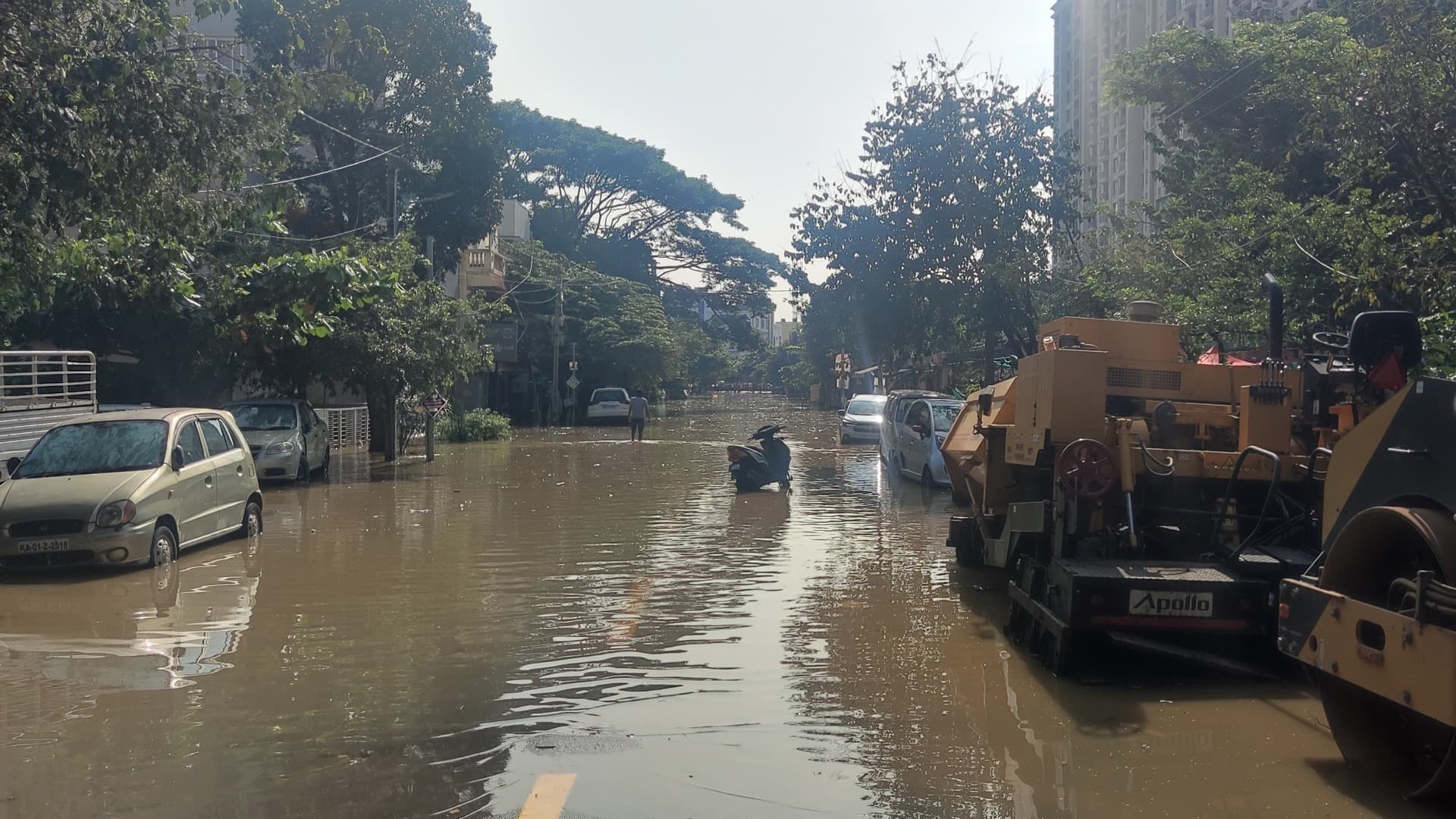
The GRPS found that this is the first time that environmental concerns, especially in the short term, are slipping down the ranking of leading risks.
By Editorial Team|January 28, 2026
Visuals: Wikimedia Commons
The report says the this shift away from climate action risks slowing climate finance and adaptation support for vulnerable countries
Extreme weather events and environmental risks are no longer an immediate priority because of heightened geo-economic confrontations as per the World Economic Forum’s Global Risks Report 2026. However, climate risks remain the top global severe long-term risk in the World
The report analysed the global risks through three timeframes to help balance current and long-term priorities. These three timeframes were current or immediate term (2026), the short to medium-term (2026-2028) and the long-term (2026 to 2038) with the help of the global risk perception survey (GRPS), which captured insights from 1,300 experts across the world.
First-time environmental concerns have slipped down short-term priorities
The report showed that out of ten long-term risks, five were related to the environment and climate change. Unlike in the two-year outlook, where they have declined in ranking. The existential nature of environmental risks means they remain as the top priorities over the next decade across stakeholders and age groups.
The GRPS found that this is the first time that environmental concerns, especially in the short term, are slipping down the ranking of leading risks in many years. The report said this shift, in both relative and absolute terms, away from concerns about the environment is unfolding despite the scientific outlook for the adverse future impacts of climate change.
The recent UNEP’s Emissions Gap Report 2025 estimated that global temperatures are likely to exceed 1.5°C above pre-industrial levels within the coming decade. Extreme heat, drought, wildfires, and other extreme weather events are likely to become more intense and frequent.
The report said while the consequences could heighten societal polarization, and inequality, the pushback to climate mitigation efforts is increasingly evident. However, this pushback may turn out to be only temporary if political incentives change again or if significant technological and business breakthroughs in combating climate change impacts materialise.
Multipolarity is pushing environmental risks down in the priority list
According to the report, the environmental risks are being pushed down the priority list as the geopolitical landscape is shaped by growing multipolarity and protectionism. The report attributed, Global Tipping Points Report 2025 warned that this is weakening the potential for multilateral cooperation on environmental issues as major powers prioritise sovereignty and national gain over collective action.