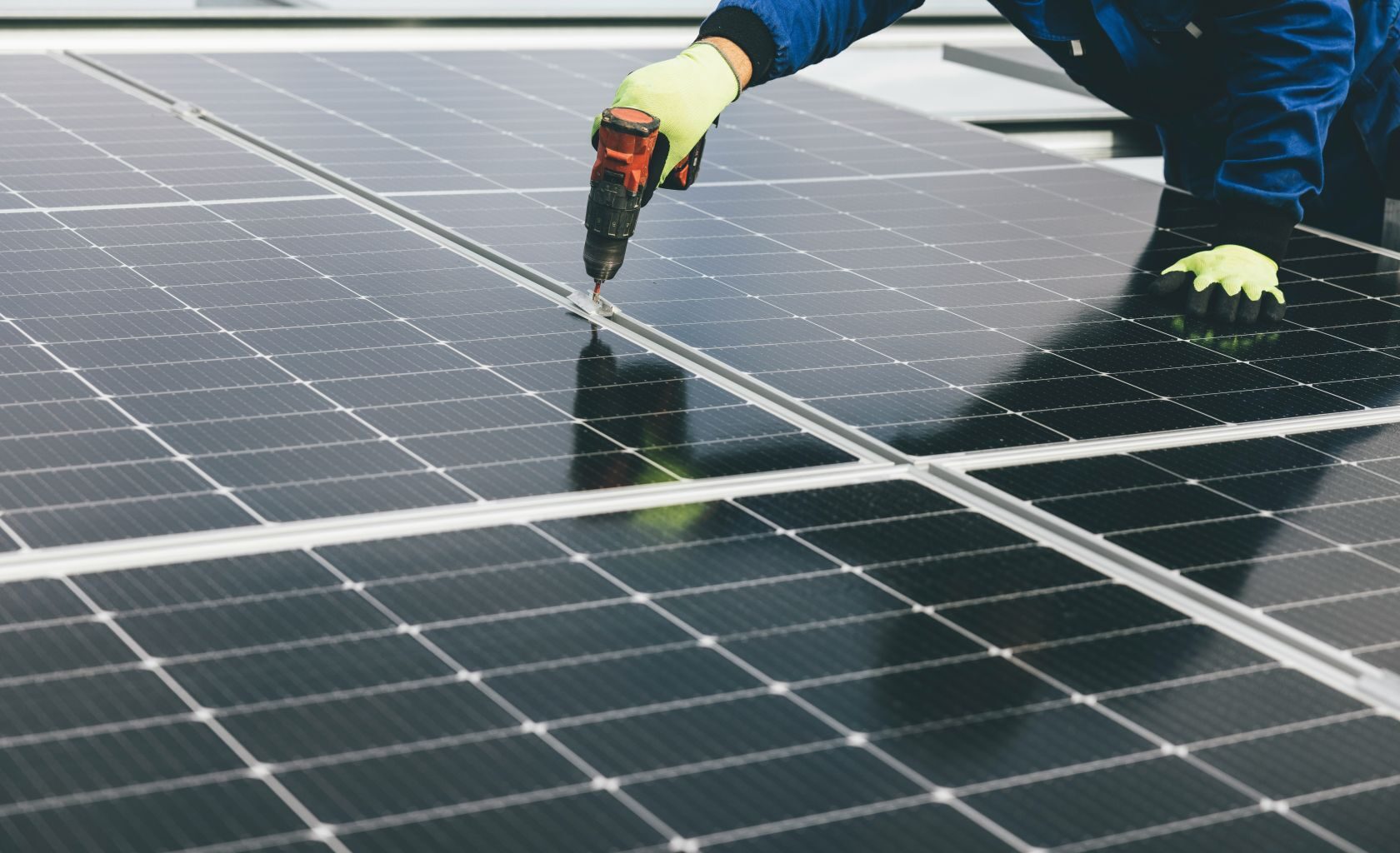
In the Environment and Energy Committee, the Minister explained that the support will have similar characteristics to E-Lar, with vouchers intended for “the acquisition of equipment for the production of renewable energy by families,” without, for now, providing more details about the planned allocation.
The Minister framed the measure within the country’s strategic commitment “to renewable energies and the decarbonization of society,” reinforced in the National Energy and Climate Plan (PNEC 2030), whose revision was approved at the end of 2024.
“The Government has always embraced the challenge of the energy transition as an opportunity to add value to society, to the economy, to our companies, to attract investment and, above all, to improve people’s lives. Especially the most vulnerable people,” said the Minister in her initial intervention at the regulatory hearing. As an example of this approach, she highlighted the E-Lar program, “supporting the acquisition of efficient equipment,” which aims to “combat energy poverty through clearer and simpler rules,” emphasizing that “it does not require advance payments” or “complex procedures.”
According to the Minister, the first phase of E-Lar had a budget of 30 million euros, while the second phase reached 60.8 million euros, within the framework of the PRR (Recovery and Resilience Plan).
“As of last Friday, nearly 68,000 applications had been submitted and more than 47,000 vouchers issued,” and the registration period is still ongoing, she detailed.
Fighting against energy poverty
The program aims to strengthen the fight against energy poverty and improve the thermal comfort of needy homes, encouraging the replacement of old equipment with new, lower-consumption models and the electrification of consumption by replacing gas equipment with electric equipment.
The subsidies can be used, for example, to purchase induction and conventional electric hobs, electric ovens or electric heaters, and beneficiaries with approved applications receive a voucher to support the operation.
The minister also mentioned that the European Commission recently published a report that points to Portugal “as an example in energy renovation and the fight against energy poverty,” highlighting the role of the Recovery and Resilience Plan (PRR) and measures such as “more than 85,000 energy renovations in residential buildings,” the launch of the National Observatory of Energy Poverty, and the creation of “more than 100 Energy Spaces.”
Support for electric vehicles
In the field of green mobility, the minister confirmed the opening of a new tender for light electric vehicles. The previous tender, launched in December 2025, had a total budget of €17.6 million and, for light vehicles, “sold out after six hours for private customers.”
“Given these figures, the Government authorised, at the last Council of Ministers meeting, the Environmental Fund to open a new call for proposals,” with “an allocation of 20 million euros.”