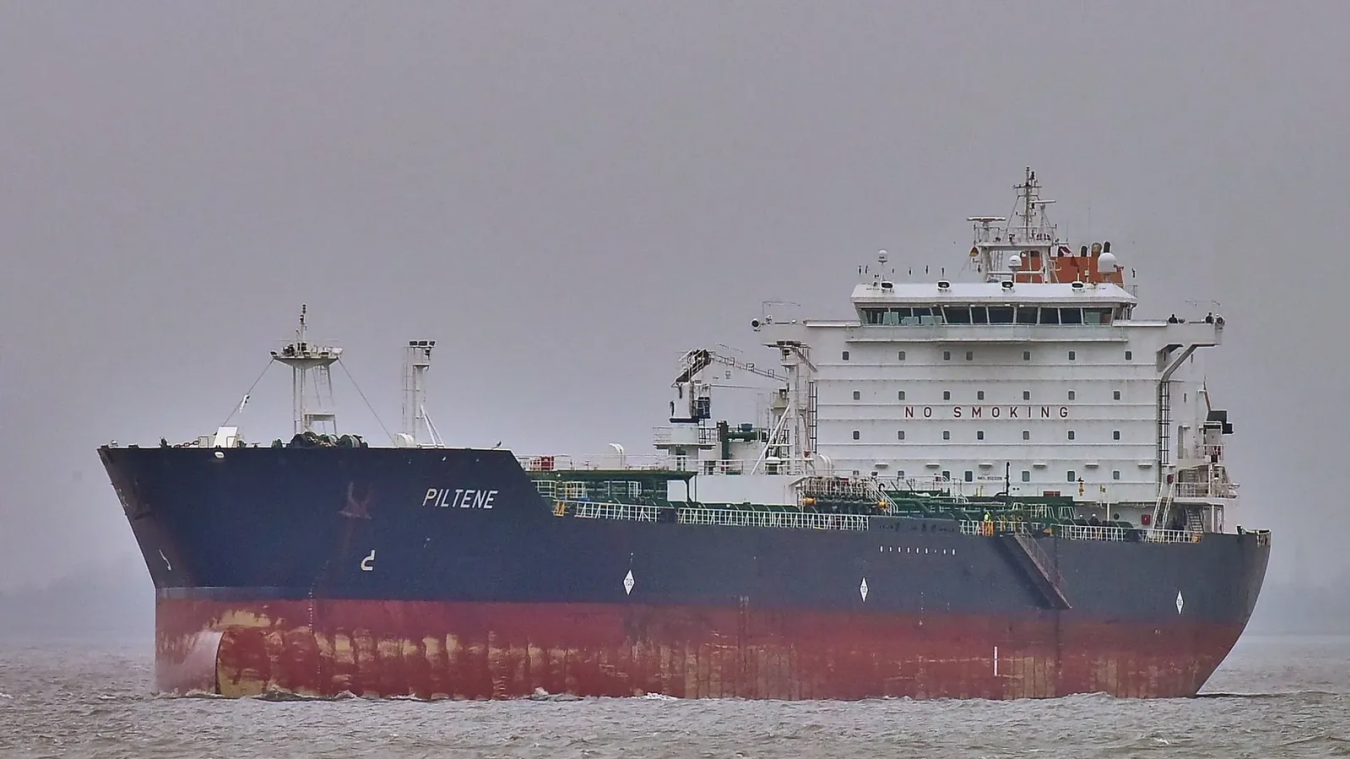
Marrakech – Spain monitored and escorted a European Union-sanctioned Russian oil tanker to Morocco after the vessel suffered engine failure in the Mediterranean.
The Chariot Tide, sailing under a Mozambique flag, experienced engine breakdown on January 22 while navigating approximately 33 miles south of Adra in Almería province. The 19-year-old tanker had been drifting in international waters within Spain’s search-and-rescue zone.
Spanish maritime authorities coordinated the vessel’s escort to Tanger Med port using the rescue ship Clara Campoamor. The Spanish Merchant Marine confirmed no detention measures were taken against the sanctioned tanker, though officials declined to explain the decision.
The Chariot Tide appears on EU sanctions lists since November 2024 for “helping Russia export oil while practicing irregular and high-risk shipping practices.” Britain also imposed sanctions on the vessel for transporting Russian petroleum products.
According to tracking data, the tanker carries approximately 300,000 barrels of diesel loaded at Russia’s Primorsk port. Previous intelligence reports indicate the vessel transported over 425,000 barrels of refined Russian products from Ust-Luga port before the incident.
Russia’s ‘shadow fleet’
The tanker previously operated under the name Marabella Sun until November, when it started flying the Mozambican flag. Such name and flag changes represent common practices among vessels in Russia’s “shadow fleet” designed to circumvent Western sanctions.
Industry analysts estimate between 1,200 and 1,600 tankers currently operate in this opaque fleet. These vessels typically feature unclear ownership structures, lack proper insurance coverage, and serve destinations like China and India to avoid European and American restrictions.
Morocco’s involvement reflects wider policy debates of how the North African country has navigated the economic spillovers of the Russia-Ukraine war while maintaining a posture of strategic flexibility without siding with either camp.
Bloomberg reported in June 2024 that Russian oil traders shifted ship-to-ship transfer operations to waters near Nador after facing pressure from Greek naval deterrence measures. Additionally, Morocco serves as a transshipment hub for restricted technology reaching Russia through Tangier Med port.
The North African kingdom maintains alliance with the United States while preserving operational ties with Russia. In October, both countries signed a fisheries agreement allowing Russian vessels to operate in Morocco’s Atlantic waters.
Fourteen EU member states recently warned that Russian tankers operating without consistent flags and valid safety documentation could be considered stateless under international maritime law. Baltic and North Sea countries issued joint warnings about ships that falsify identification systems and disable tracking devices.
A Spanish Transport Ministry source told AFP that Morocco initially assumed coordination of assistance before weather conditions pushed the vessel eastward into the Alboran Sea. “Spain has monitored the situation at all times and will continue doing so until the ship docks at its destination port,” the official stated.
The episode follows France’s recent interception of the Grinch, another Russian shadow fleet tanker, and the seizure of the Boracay in September.
The Chariot Tide’s management company, Clariton Shipping Ltd., was forcibly dissolved in February 2025 according to the Marshall Islands registries, indicating the complex ownership structures characterizing shadow fleet operations.