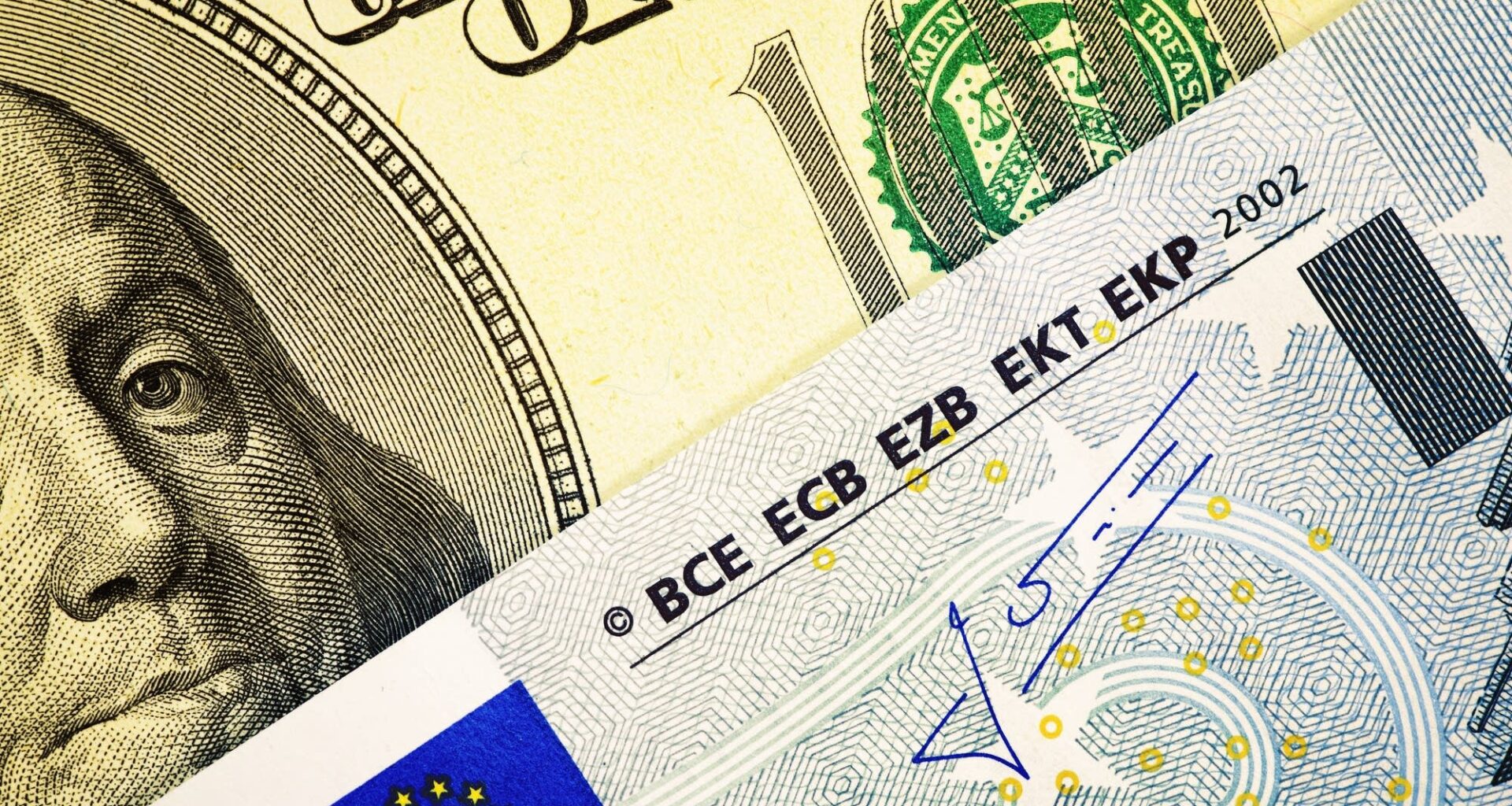
In the runup to the Federal Reserve’s meeting Wednesday, the value of the U.S. dollar has been falling.
That’s largely because of worries about U.S. policy, including President Donald Trump’s attacks on the Fed’s independence.
A falling dollar is a sign that the greenback might be losing its luster as a safe haven in turbulent times. But its decline also affects the rest of the world — other countries’ currencies have been rising in value.
The euro hit $1.20 earlier this week, the highest it’s been relative to the dollar since 2021.
But when a currency gets too strong, exports from a region can get too expensive, said Ricardo Amaro, a lead economist at Oxford Economics.
“Currency appreciation makes the exports of that region more expensive,” Amaro said. “(When the euro’s value rises) European producers that sell in the U.S. will find their products suddenly more expensive there.”
And when exports get too expensive, sales slow down. Amaro said Europe’s economy has already been struggling.
“Growth has been relatively sluggish in recent years,” he said. “It’s expected to pick up some momentum this year, but still in a relatively slow pace of growth.”
A strong euro poses a particular challenge for Germany, the biggest economy within the Eurozone.
It relies heavily on exports, said Zachary Griffiths, senior strategist at the research company CreditSights.
“The export-to-GDP ratio for Germany is around 47-50%,” Griffiths said. “That’s certainly very substantial, relative to, say, the United States, which is only about 10-15%.”
The euro’s been appreciating while Germany is in the middle of pushing through a big stimulus package meant to bolster defense in the region and grow its economy from within.
Griffiths said a strong euro pushes against those efforts.
“Because you have that external factor that could weigh on the competitiveness of exports,” he said. “So that leaves more of a job to be done, kind of internally, with something like the fiscal spending package.”
The strengthening euro could also affect what the European Central Bank decides to do with its interest rates.
Kenneth Kim, a senior economist with KPMG, said that’s because weak demand for European exports could result in inflation that’s too low.
“That might put the ECB in a spot where, with inflation falling, perhaps the ECB might have to lower rates if inflation does continue to go down,” he said.
Last year, an ECB official told Bloomberg News that the euro, at $1.20 — which it recently hit — could complicate things for policymakers.
Amaro said while the euro’s value isn’t currently raising any red flags, it’s about where things go from here.
“Do we get some stabilization, or does the dollar weaken further?” he said.
The ECB will make its next decision on interest rates a week from tomorrow.
Related Topics