
Listen to this article
Estimated 4 minutes
The audio version of this article is generated by AI-based technology. Mispronunciations can occur. We are working with our partners to continually review and improve the results.
Ottawa city council unanimously passed a sweeping overhaul of zoning rules on Wednesday, capping off a years-long process that’s supposed to make it easier to build housing in Ottawa.
“What we are approving today is ambitious,” said Mayor Mark Sutcliffe. “It will shape the future of our city in a very positive way…. We have been doing everything in our power to say yes to housing.”
The bylaw will replace a nearly two-decades-old version with new rules to increase density in neighbourhoods across the city. It will grant automatic permission for more units and taller buildings, without the need for special applications to city committees.
“This zoning bylaw is about less sprawl and more housing in existing neighbourhoods. It is about addressing the housing crisis,” said Somerset Coun. Ariel Troster.
“It means I don’t have to sit through another planning and housing meeting ever again where people come and say, ‘I know we need more housing, but just not here. Just not on my street.'”
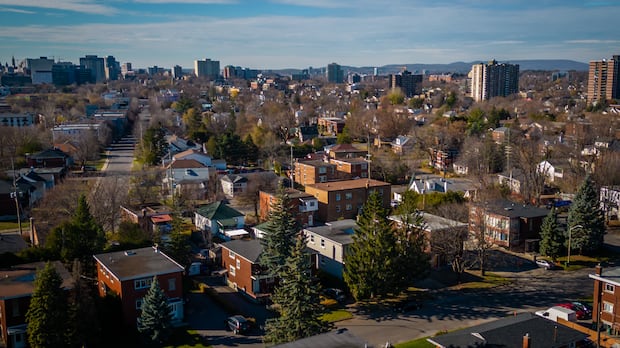
The new rules will allow four units on every serviced residential lot and raise height limits to three storeys almost everywhere, even in low-density suburban areas now dominated by bungalows. New buildings can be much taller closer to busy streets and near major transit stations.
Those changes got wide support, though several councillors pushed to make sure that investments in parks, transit and other infrastructure will be there to support that denser growth.
The biggest changes will come to older suburbs such as those in College ward, whose councillor warned that her residents are nervous.
“They’re nervous that the services and the infrastructure will not keep pace,” said Coun. Laine Johnson, who nonetheless voted for the bylaw.
But density is only the beginning. The bylaw also looks to promote walkable communities, including by making it easier to open a business in what are now residential areas.
Parking change proves controversial
Councillors made a long list of minor tweaks on Wednesday, making slight zoning adjustments or increasing permitted tower heights for a handful of specific properties, for example.
But they left the broad strokes of the bylaw intact, with no councillor making any attempt to weaken its most transformative provisions.
Only one change got significant pushback: the end of minimum parking rules that force developers to provide parking spaces for residents in new developments.
City staff say the move could reduce home prices, since the cost of those spaces get passed on to tenants or homeowners. They say developers will still build parking where it’s in demand, but can save money where it isn’t.
Orléans East-Cumberland Coun. Matt Luloff said that might make sense close to LRT stations and downtown, but it isn’t realistic to live without a car in many parts of the city. He worried that those parked cars would spill onto local streets, blocking corners and endangering pedestrians.
West Carleton-March Coun. Clarke Kelly said he already sees parking mayhem when he drives through suburban areas in Kanata.
“I do shudder to think what it will look like when these developments are built without any minimum parking standards,” he said. “We’ve forgotten about the people, the many, many people, who require a vehicle.”
Even so, that measure will go forward along with the rest of the bylaw. Some minimum parking rules will still remain in rural wards, like Kelly’s, and visitor parking will still be required in major developments throughout the city.
The bylaw is expected to take effect around September, though some provisions could be tied up in appeals.